


OpenAI introduces Lockdown mode as an optional security setting for ChatGPT users, designed to mitigate the risk of data exfiltration via prompt injection. Additionally, the company is launching ‘Dreaming’, which is intended to better remember your preferences and projects.
OpenAI launches Lockdown mode to reduce the risk of data exfiltration. The mode disables various features that connect to the web or external services. This feature is primarily aimed at organizations processing sensitive data, although it offers no guarantee against all prompt injection attacks. Lockdown mode is available for all personal ChatGPT accounts, from Free to Pro.
In addition, OpenAI introduces ‘Dreaming’, a new update that allows ChatGPT to retain information longer and more accurately, so that answers are better tailored to the current situation and personal needs of users. The update is available for Plus and Pro users, first in the US and later worldwide, including Free users.
Enable Lockdown mode
When Lockdown mode is enabled, various ChatGPT capabilities are restricted. Live browsing is not possible, meaning only cached web content can be consulted and search results may be outdated. Image support for retrieving and displaying images via the web is disabled, although image generation remains available.
Other restrictions include disabling deep research, agent mode, and network access via Canvas. Files cannot be downloaded for data analysis, but manually uploaded files remain usable. The mode does not affect memory, file uploads, or conversation sharing.
Network access in Codex remains unaffected. Workspace administrators can assign Lockdown mode to groups or members via custom roles. Settings per app and connector within business environments remain dependent on specific workspace settings and access rights.
Dreaming
Additionally, OpenAI introduces ‘Dreaming’. The updated system ensures that context from previous conversations is applied faster and more accurately. For complex or long-term projects, such as researching equipment or planning a trip, ChatGPT now remembers previous choices and preferences.
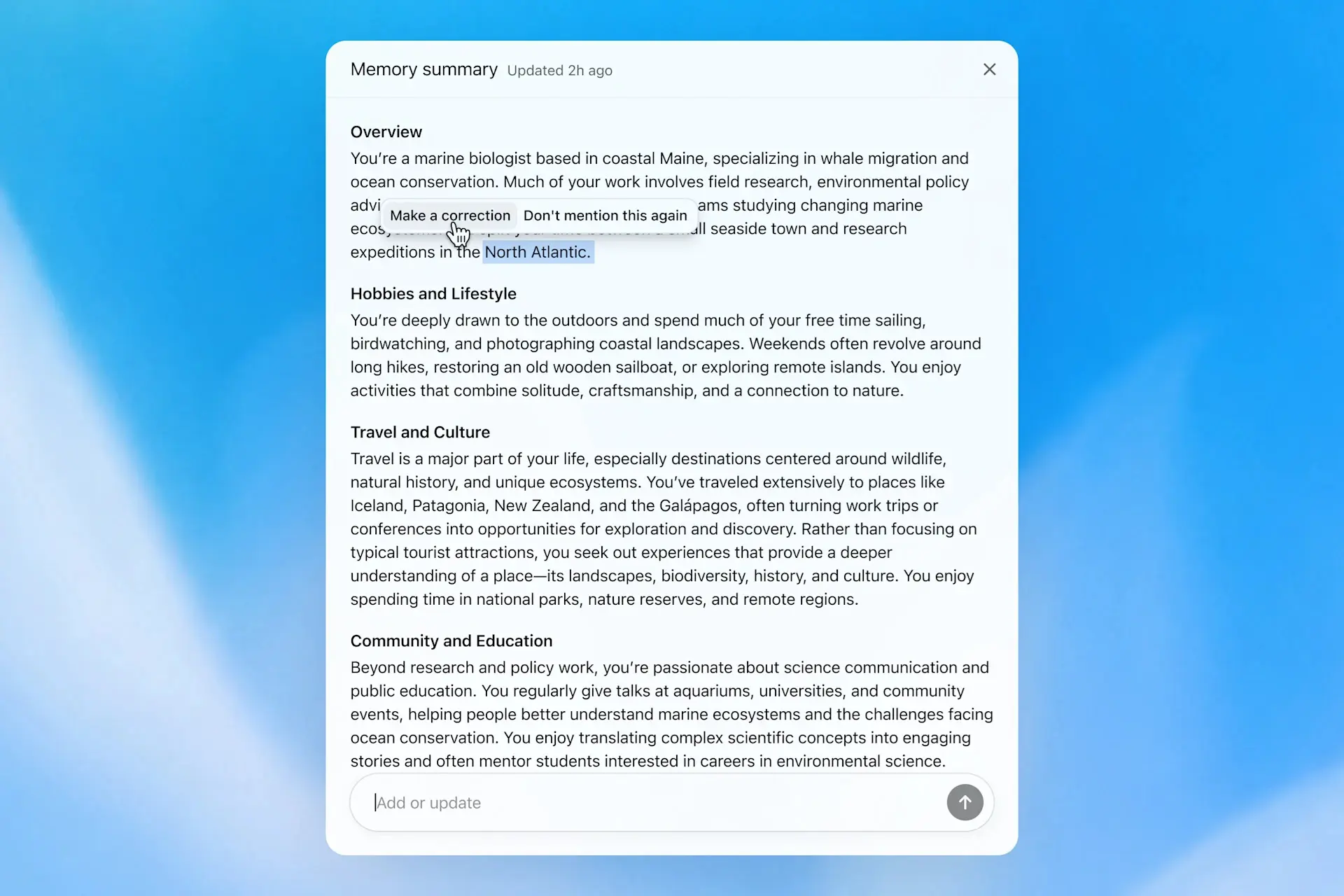
This results in more specific and personalized recommendations, such as suggesting compatible products or tailoring itineraries that align with individual wishes.