

Panasonic Connect introduces two new rugged devices: the Toughbook G3, a 10.1-inch tablet, and the Toughbook 34, a 12.4-inch 2-in-1. For the first time, both formats belong to the same family.
Panasonic Connect is updating two series of rugged Windows tablets simultaneously. The Toughbook G3 is the third generation in the G series and succeeds the G2. The Toughbook 34 succeeds the Toughbook 33 and features a larger screen than its predecessor.
The previous generation consisted of two separate products. That is now changing: Panasonic is presenting the 34 as the larger sibling of the G3. Both devices are essentially built on the same platform. This simplifies management: a single base image works for both models, the quick-release SSD fits both, and one reference in the spare parts warehouse suffices for both devices.
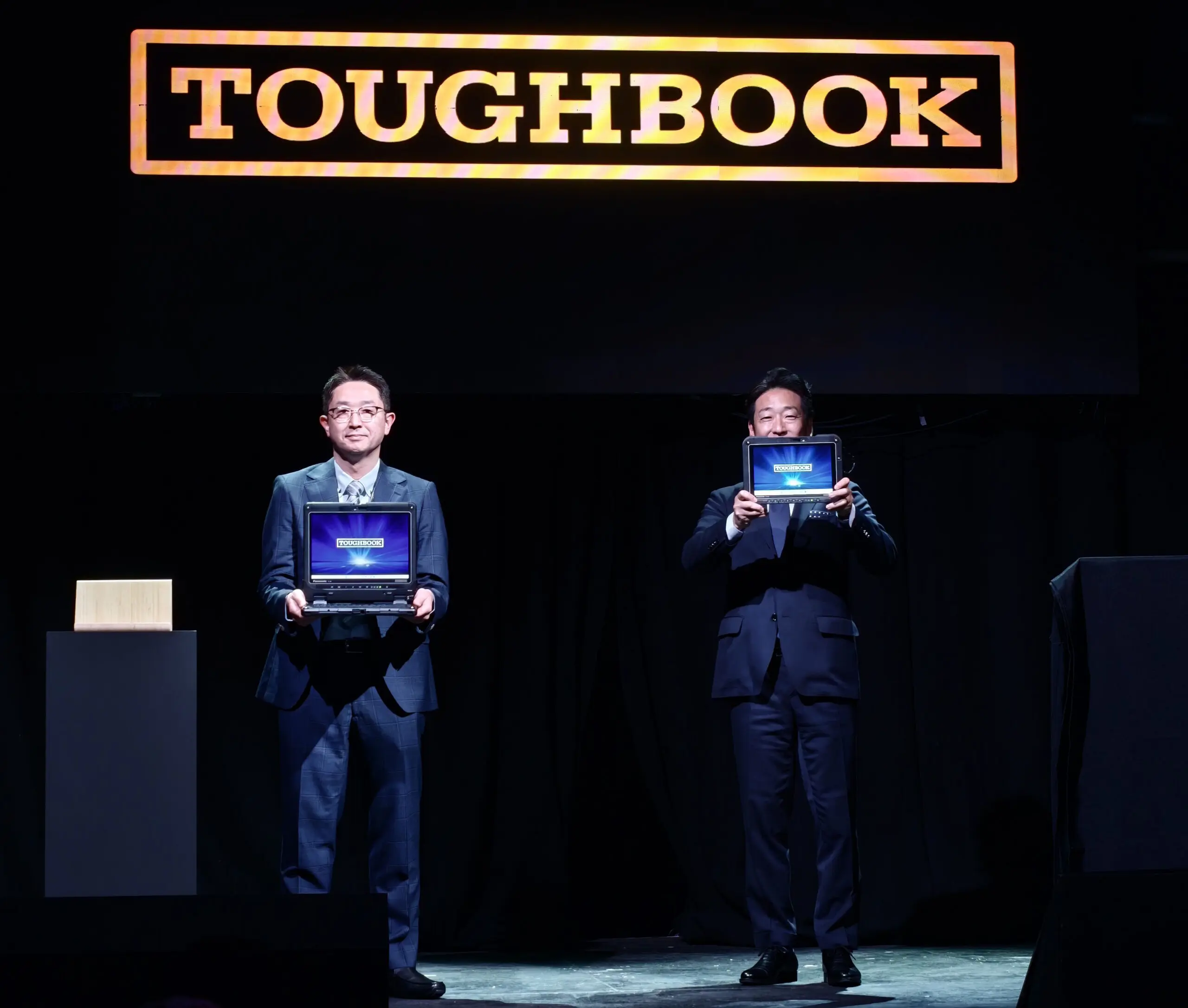
Panasonic speaks of a major leap forward and is using the launch as the icing on its anniversary cake. Indeed, the company is linking the introduction to thirty years of Toughbook.
Toughbook G3
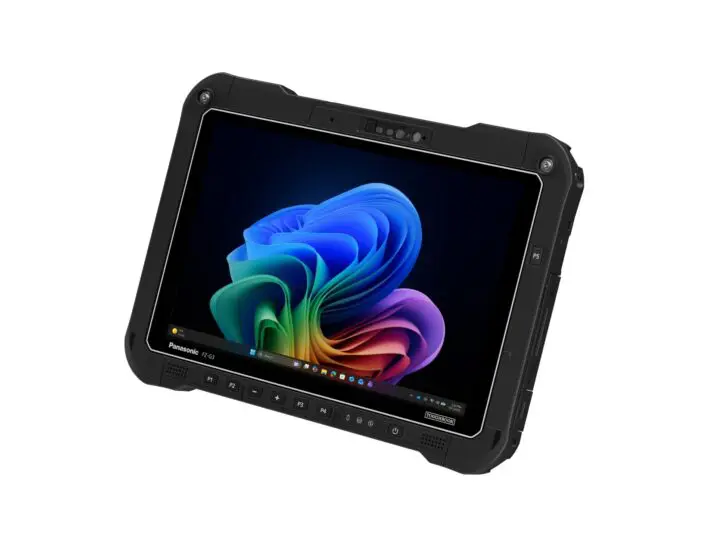
The G3 is a fully rugged tablet with a 10.1-inch screen. The device is available with two processors from Intel’s Core Ultra Series 3 generation: the Core Ultra 5 335 vPro promises to be the most popular workhorse, but those needing more horsepower can opt for the Core Ultra X7 368H vPro. Graphics power is provided by the integrated GPU in each case.
It is notable that Panasonic is implementing Intel’s latest generation CPUs for the new devices. “We will never be pioneers with the very latest chips,” explains Steven Vindevogel, Head of Panasonic Toughbook Europe. “We aim for a delay of a few months. Previously, we had to consider the long-term availability of a CPU because customers wanted exactly the same hardware for years. That has since changed. Adapting an image to a new chip is now smoother, allowing us to transition to a new Intel platform more quickly.”
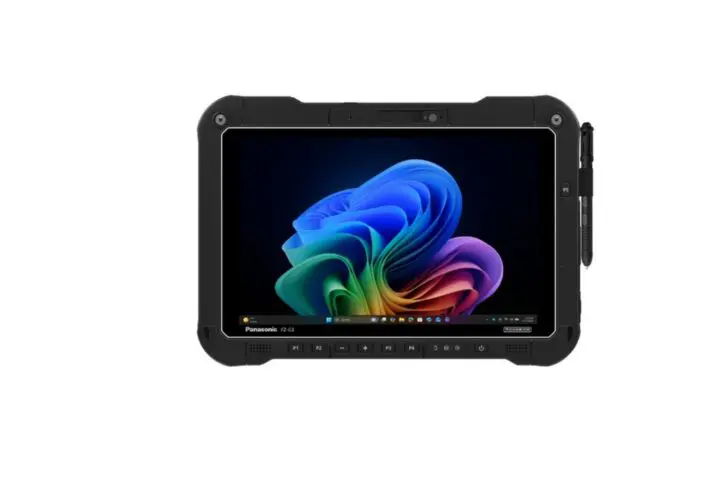
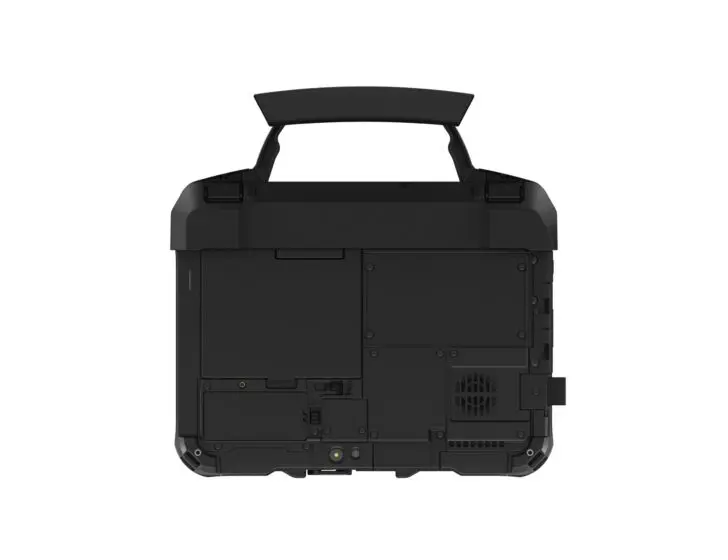
The Toughbook G3 further includes 16 GB of LPDDR5x memory in its base version, configurable up to 64 GB. For storage, there is a 512 GB NVMe SSD with OPAL encryption, optionally up to 2 TB. The SSD is a quick-release module that can be easily removed from the device.
RHEL Compatible
The G3 runs on Windows 11 Pro by default, but the device is also certified for Red Hat Enterprise Linux 10 and Red Hat Device Edge. The installation, configuration, and licensing of RHEL remain the responsibility of the customer.
“Some companies want to move away from a US-driven operating system like Windows,” notes John Tucker, Head of SSC, Product & Engineering at Panasonic Toughbook Europe. “That is why we make our devices compatible with Red Hat Enterprise Linux.”
This does warrant a small side note. Although RHEL is an open-source Linux distribution, the distributor Red Hat, as a subsidiary of IBM, is American. However, the openness of the OS compensates for much, especially compared to Windows.
Screen and Touch Sensitivity
The Toughbook G3’s screen has a resolution of 1,920 by 1,200 pixels and reaches a maximum of 1,000 cd/m², ensuring it remains readable even in bright sunlight. The capacitive touchscreen works with gloves and a pen. New to this generation is the tablet’s ability to automatically detect how a user is operating the device, eliminating the need to switch between standard or glove modes.
Because users in the field often wear gloves, the G3 also features five programmable buttons. With a short and a long press, the tablet offers up to ten configurable shortcuts.
Three Battery Options
The new devices come with new batteries. For the Toughbook G3, there are three options:
- Lite (35 Wh): approximately 8.5 hours.
- Standard (70 Wh): approximately 17 hours.
- Long Life (99 Wh): approximately 24 hours.
Each battery is suited for a different type of use. The Lite battery is intended for devices that are usually docked but occasionally need to be taken along, for example, to a patient. In this configuration, the device weighs 1.07 kg.
Panasonic describes the Standard battery as a good average, with the device weight starting at 1.20 kg. The Long Life battery is for those working in the field for a day or two without interruption. At 99 Wh, it is the highest capacity in the Toughbook range and is at the limit of what is permitted on an aircraft.
This does make the device heavier and thicker: starting at 1.36 kg and 31.3 mm thick, compared to 23.5 mm with the other two batteries. For this thicker version, optional corner supports are available to keep the device stable when lying flat.
The G3 supports hot swapping with an optional bridge battery. This keeps the device running for about sixty seconds while you swap the main battery. The bridge battery is selected as a factory option at the time of purchase.
Longer Battery Life
The new battery technology is also designed to wear out less quickly. According to Panasonic, approximately 90 percent of capacity remains after 600 charge cycles, compared to about 50 percent in the previous generation. At low temperatures down to -20 °C, the new battery reportedly shows minimal degradation.
Panasonic also pays attention to safety. Fire-resistant barriers with a patented ‘Safety Cell’ design are placed between the battery cells, ensuring a problem in one cell does not spread to others. Extra space is provided in the chassis in case a cell expands. The battery is constantly monitored: it is decommissioned if anomalies occur, and the charging voltage is adjusted as the battery ages.
Connectivity
For wireless connections, the G3 features Wi-Fi 7 (Intel BE211) and Bluetooth 5.4. Optional 4G or 5G is available, with support for SIM and eSIM, and a u-blox NEO-M9N module for positioning via GPS, GLONASS, BeiDou, and Galileo. Panasonic highlights standalone and private 5G networks: more and more organizations are switching from Wi-Fi to 5G.
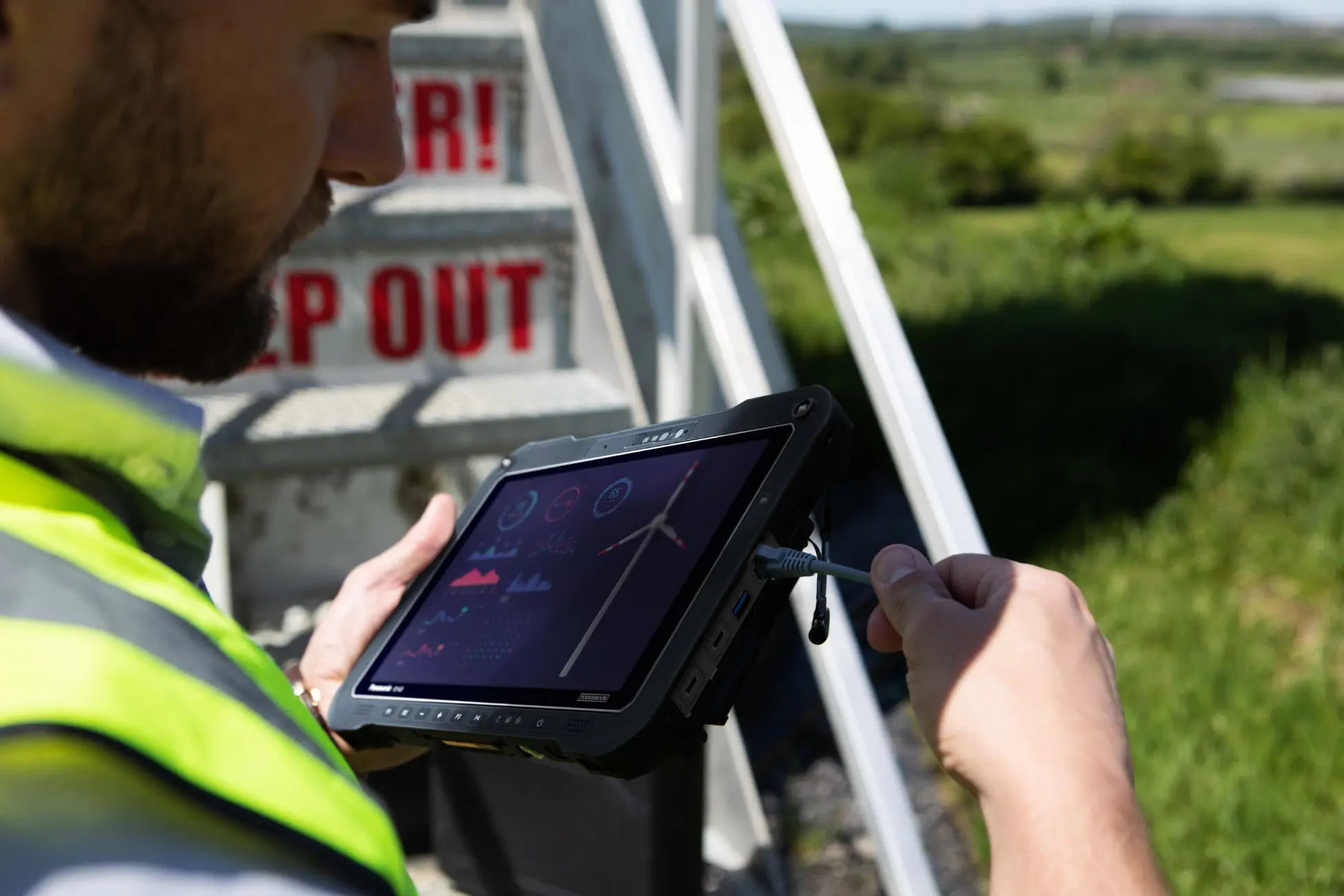
Fixed connections include two Thunderbolt 4 ports, one USB 3.2 Type-A port, and a Gigabit LAN port. For charging, Panasonic sticks with its proprietary DC connection, as the company believes USB-C is not robust enough for a truly rugged device. At the front is a 5-megapixel camera with IR and a privacy slider for Windows Hello; at the back is a 13-megapixel camera with autofocus and LED flash.
Robust and Secure
The G3 is designed for IP66 but is currently certified to IP65. IP66 results are expected in the fourth quarter of 2026. The device has been tested according to MIL-STD-810H for vibrations and drops from 180 cm and operates at temperatures from -29 °C to 60 °C.
For security, there is a TPM 2.0 chip, Windows 11 Secured-core protection, and facial recognition via Windows Hello. Optionally, the recently launched Toughbook Guard is available for these devices: firmware that checks whether the hardware still matches an approved base configuration before the operating system boots. This option must be configured prior to production.
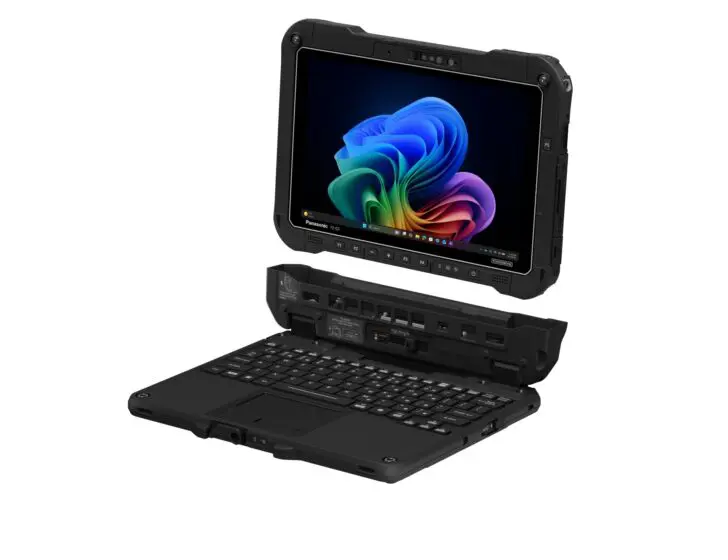
There is also an optional detachable backlit keyboard. With this keyboard, the G3 weighs from 1.99 kg. An ergonomic hard handle will be released separately later.
Toughbook 34
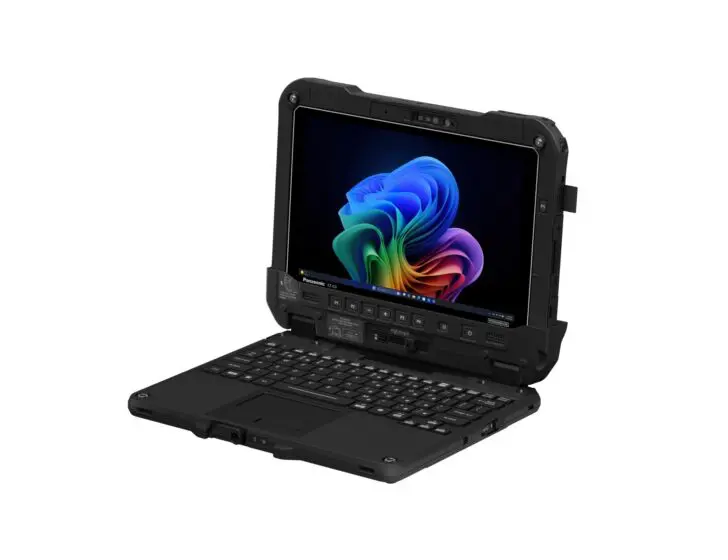
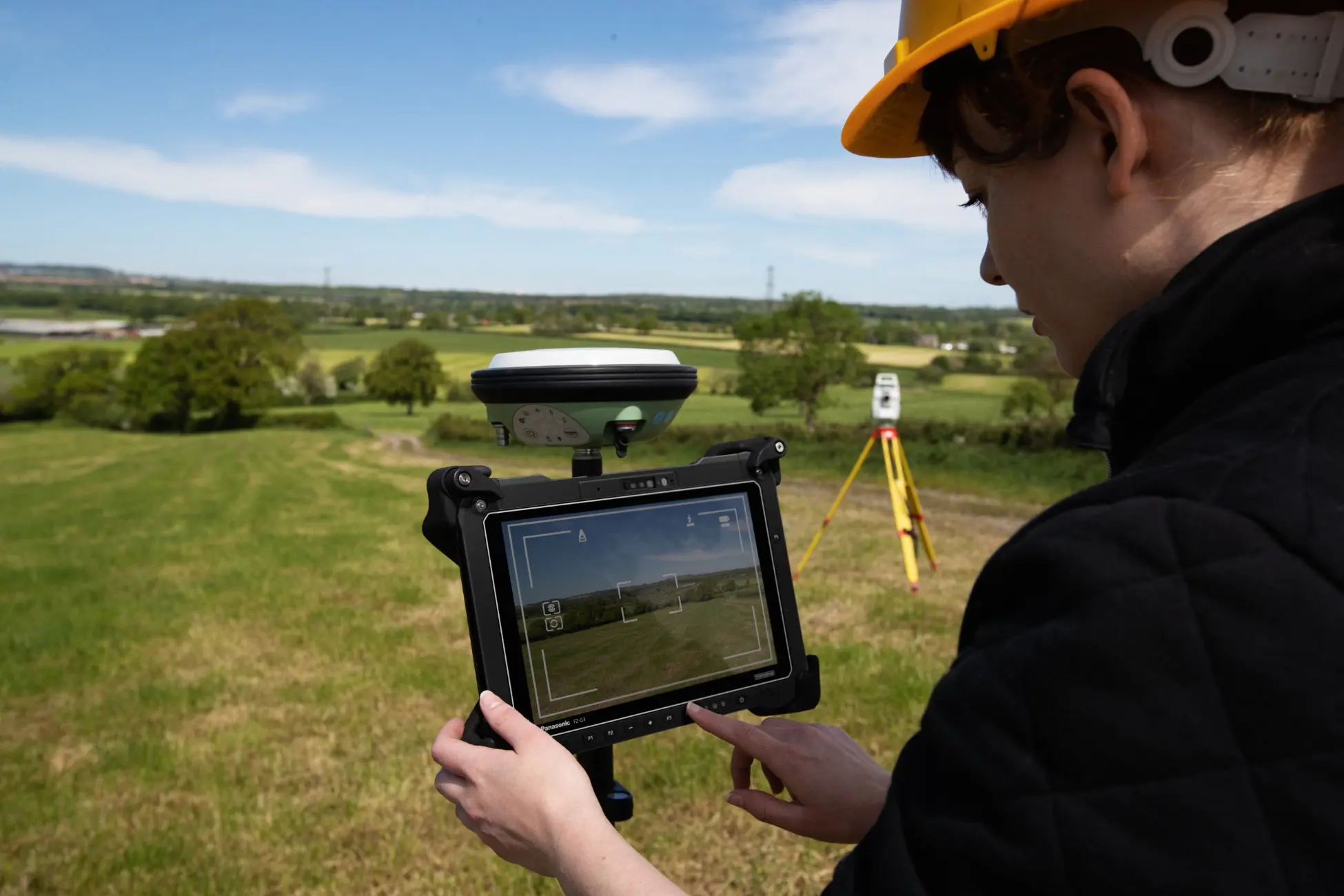
The Toughbook 34 is a fully rugged 2-in-1 with a 12.4-inch screen. This is larger than the 12-inch screen of the 33. The Full HD+ screen has a resolution of 1,920 by 1,280 pixels and also reaches a maximum of 1,000 cd/m². The larger format is intended for maps, plans, diagnostics, and technical documents, including in the utilities sector and land surveying.

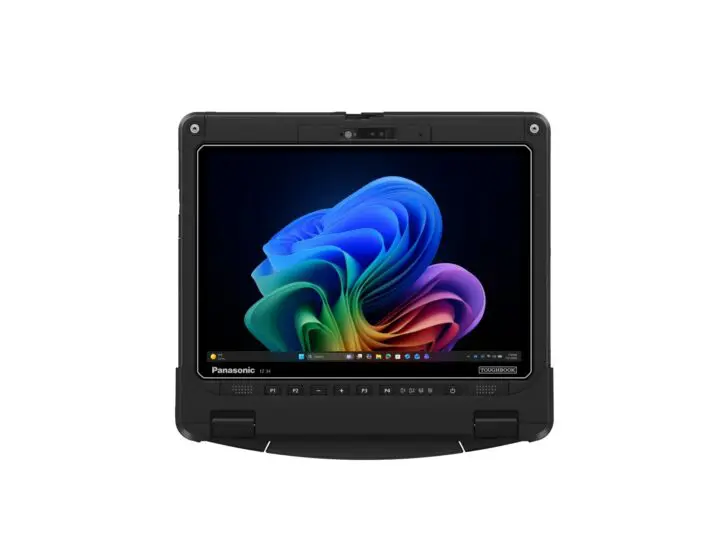
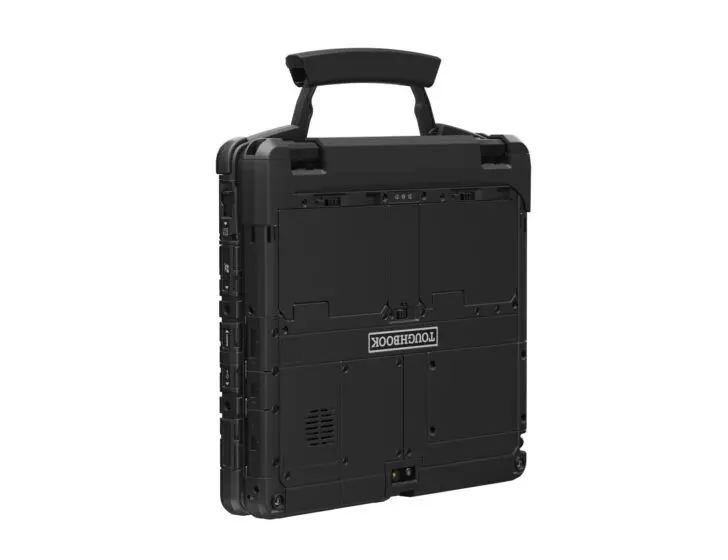
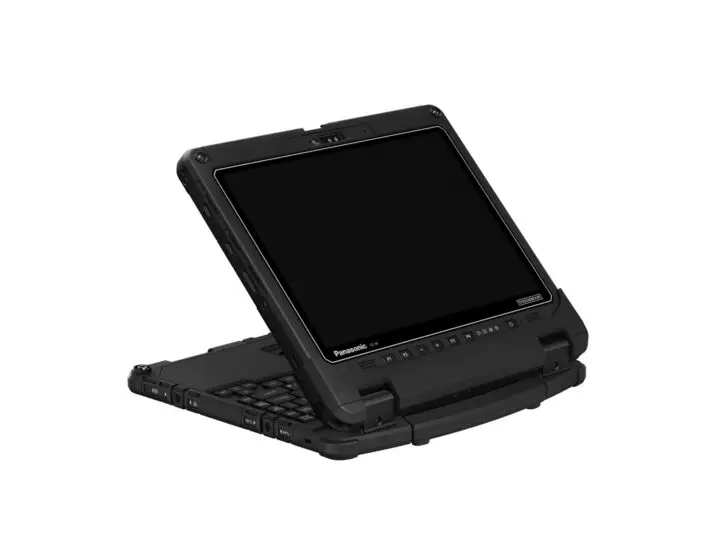

Despite the larger screen, the 34 weighs from 1.36 kg. According to Panasonic, this is thirteen percent lighter than the 33mk4 (each with the standard battery), making it the lightest rugged 12.4-inch tablet. The dimensions are 308 x 243.6 x 25 mm.
Furthermore, the specifications of the Toughbook 34 closely resemble those of the Toughbook G3. You get the same CPU options and the same maximum RAM configurations.
Two Batteries
The Toughbook 34 does have space for two swappable 40 Wh batteries. This allows you to replace one while the other keeps the device running. The batteries do not protrude from the housing. With one battery, the 34 lasts about 9 hours; with two batteries, about 18 hours. A full charge takes approximately 2.5 hours, according to Panasonic.

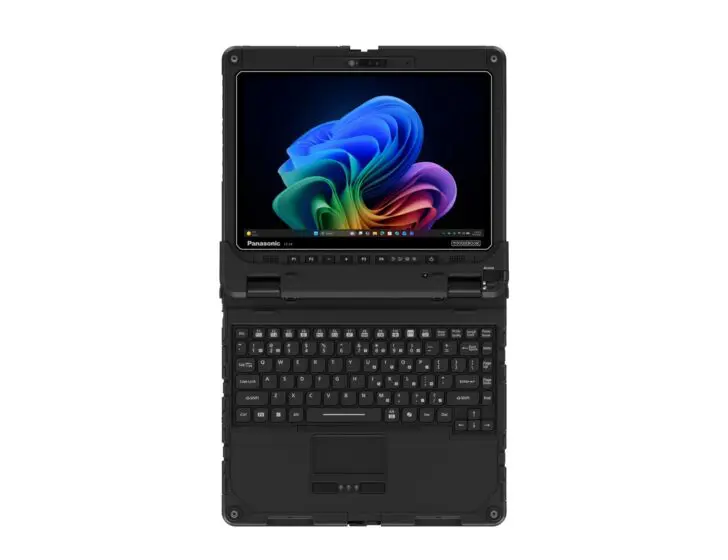
There is an optional rugged backlit keyboard. This adds an extra USB-A port, HDMI, a serial port, a LAN connection, and an SD card reader, and features a retractable handle. With the keyboard, the 34 weighs from 2.57 kg.
Fixed ports include two Thunderbolt 4 connections, a USB 3.2 Type-A port, Gigabit LAN, and a headset jack. The cameras are the same as on the G3.
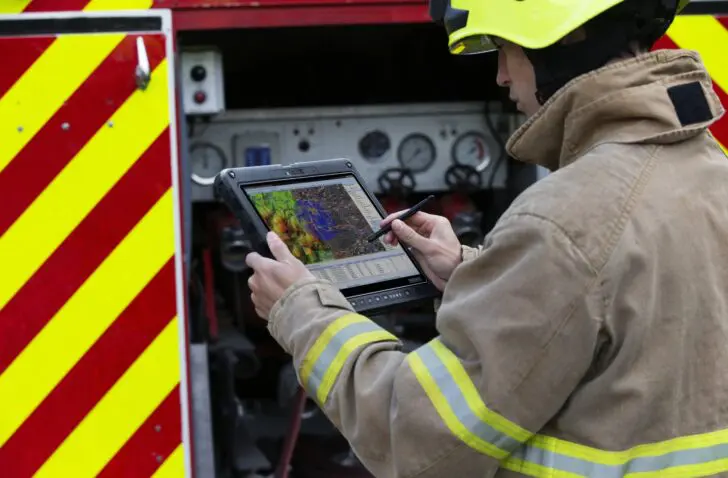
As with the G3, most accessories from previous models are compatible with the 34. Panasonic cites fire services using the device as a Mobile Data Terminal in their vehicles as an example: they can upgrade without replacing existing infrastructure.
Modular with xPAK
Both devices feature a partially modular design. Via xPAK expansion modules, a device can be adapted to the user’s role, security requirements, and work environment.
Because the two Toughbooks are on the same platform, they are compatible with the same modules. An organization using both formats can therefore deploy the same expansions and spare parts.
Availability
The Panasonic Toughbook 34 is available immediately. The Toughbook G3 will follow in November 2026. Prices are not yet known. Panasonic does indicate that the G3 will be slightly more expensive than the G2 due to rising component prices.