


Intel is launching a brand new portfolio of CPUs for laptop manufacturers. The chips, codenamed Panther Lake, are rolling off Intel’s own 18A production line.
After Intel started risk production of its 18A production line in the spring of last year, Panther Lake chips are now rolling off the line in volume. At CES in Las Vegas, the processor specialist is launching its 18A-based Intel Core Ultra Series 3 portfolio. The manufacturer is introducing fourteen models, exclusively aimed at laptops.
Angstrom
18A stands for 18 Angstrom or 1.8 nm, and is the Intel equivalent of TSMC’s 2 nm production node. The more advanced production line enables Intel to build more compact transistors, which are faster and more efficient due to their smaller size. For example, 18A-based chips such as the new Panther Lake / Core Ultra Series 3 range have a physical advantage over chips built with a less advanced node.
Traditionally, there is little consistency in the naming of the fourteen components that Intel is launching today. The chips live under the Core Ultra naming scheme, where Intel combines Core Ultra 5, 7 and 9 with Core Ultra X9 and X9, each with slightly different specifications. In the context of the new chips, the ‘X’ refers to strong integrated graphics capabilities from the Intel Arc Pro B390 GPU, while chips without an X have similar CPU capabilities on board with fewer graphics capabilities.
No multithreading
Furthermore, all chips consist of a combination of performance (P) cores, where the focus is on power, efficiency (E) cores, where efficiency is more important than clock speed, and low power efficiency cores, which go even further (LPE). For Core Ultra Series 3, Intel is again not integrating multithreading: each core has exactly one thread.
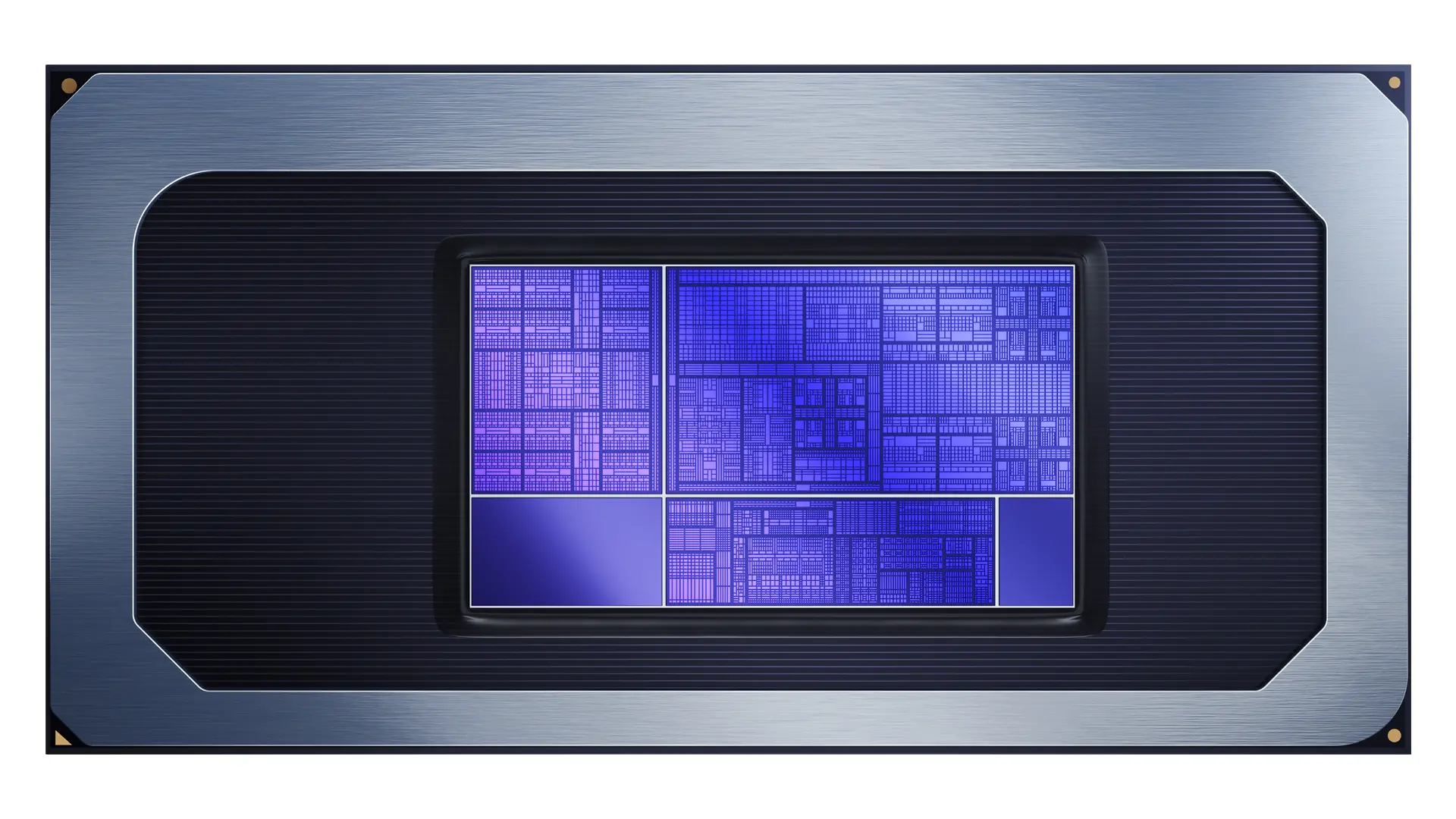
Intel gives the entire portfolio a minimum TDP of 25 watts, configurable to a variable maximum TDP depending on the chip. With 18A, each chip should deliver significantly more performance at 25 watts than an equivalent Core Ultra Series 2.
14 chips
The Intel Core Ultra Series 3 family consists of the following components at launch:
| CPU | Cores (P+E+LPE) | GHz (max.) | GPU cores | NPU-TOPS | PCIe | TDP max. (W) |
| Ultra X9 388H | 16 (4+8+4) | 5,1 | 12 | 50 | 12 | 65,8 |
| Ultra 9 368H | 16 (4+8+4) | 4,9 | 4 | 50 | 20 | 65,8 |
| Ultra X7 368H | 16 (4+8+4) | 5,0 | 12 | 50 | 12 | 65,8 |
| Ultra 7 366H | 16 (4+8+4) | 4,8 | 4 | 50 | 20 | 65,8 |
| Ultra 7 365 | 4,8 | 4 | 49 | 12 | 55 | |
| Ultra X7 358H | 16 (4+8+4) | 4,8 | 12 | 50 | 12 | 65,8 |
| Ultra 7 365H | 16 (4+8+4) | 4,7 | 4 | 50 | 20 | 65,8 |
| Ultra 7 365 | 8 (4+0+4) | 4,7 | 4 | 49 | 12 | 55 |
| Ultra 5 338H | 12 (4+4+4) | 4,7 | 10 | 47 | 12 | 65,8 |
| Ultra 5 336H | 12 (4+4+4) | 4,6 | 4 | 47 | 20 | 65,8 |
| Ultra 5 355 | 8 (4+0+4) | 4,6 | 4 | 47 | 12 | 55 |
| Ultra 5 325 | 8 (4+0+4) | 4,5 | 4 | 47 | 12 | 55 |
| Ultra 5 332 | 6 (2+0+4) | 4,4 | 2 | 46 | 12 | 55 |
| Ultra 5 322 | 6 (2+0+4) | 4,4 | 2 | 46 | 12 | 55 |
The variable TDP, the combination of P, E and LPE cores, and the small difference between the different models make it very difficult to estimate the power of a given laptop based on the CPU type. The laptop manufacturer bears a great responsibility for the final performance of a device powered by Intel Core Ultra Series 3.
Complex differences
We also note that the number of PCIe lanes can vary greatly between different models. Components with more robust built-in graphics capabilities generally have fewer PCIe lanes available than models with fewer GPU cores. A manufacturer of a laptop with a discrete GPU can then best choose a chip with many PCIe lanes, and little (superfluous) GPU capacity. Surprisingly, there are also components with few PCIe lanes that do not have much GPU power on board either.
The Intel 18A chips promise to give Intel the necessary competitive strength compared to AMD on paper again. Intel’s ambition to eliminate its technological manufacturing backlog seems to be fulfilled here, at least in theory.
Made in the USA
It is also striking that Intel is frantically trying to please US President Trump. For example, the company emphasizes that the chips were developed in the US, and also roll off the line there in a new factory.
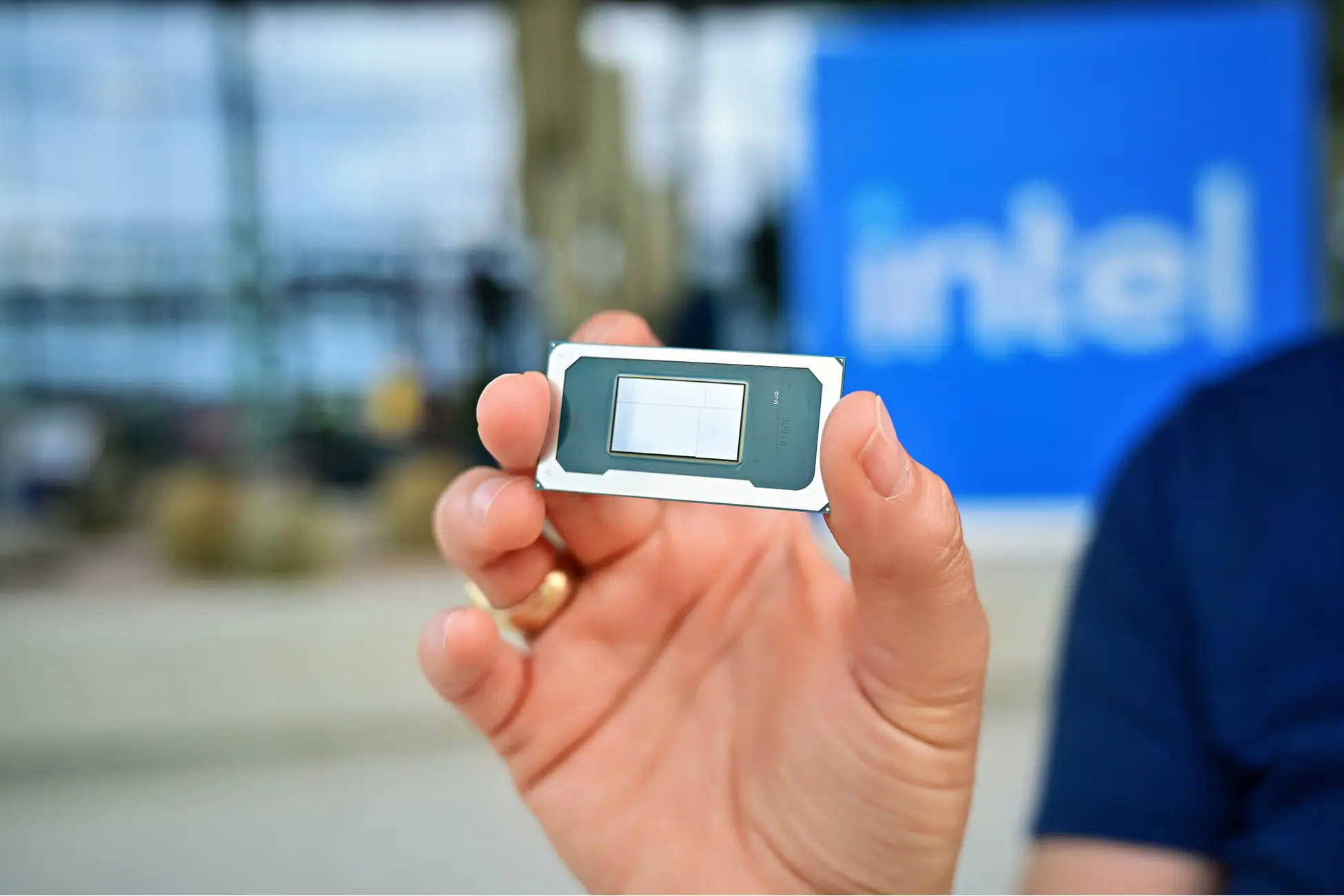
We must also mention the NPU. All chips have an NPU on board that is not much more powerful than the NPU of the previous generation. The chiplet supports modest AI-related workloads and still allows Intel’s marketing team and your favorite laptop manufacturer to shout ‘AI PC’ as if that means something.
The first laptops with Intel Core Ultra Series 3 on board should be on the shelves at the end of the month. To what extent Panther Lake delivers on its promises remains to be seen. A large portfolio, unclear naming, small (but sometimes important) differences between components and a highly variable TDP ensure that you thoroughly investigate what the capabilities of a new laptop powered by Core Ultra Series 3 really are.