


Google has released Nano Banana 2, a new AI image generator that combines the speed of a lightweight model with the image quality of heavier systems. The model targets users who want fast results without sacrificing visual quality.
The announcement fits into a broader trend where tech companies are trying to make powerful AI models more accessible and faster. Google positions Nano Banana 2 (Gemini 3.1 Flash Image) as a middle ground: the processing power of a large model, but with the response time you would expect from a more compact system.
Speed as a core promise
Nano Banana 2 promises to deliver results with what Google describes as “flash speed,” a term for the model’s high generation speed. This makes it suitable for applications where users want to generate multiple variations of an image in a short time without waiting long for each result.
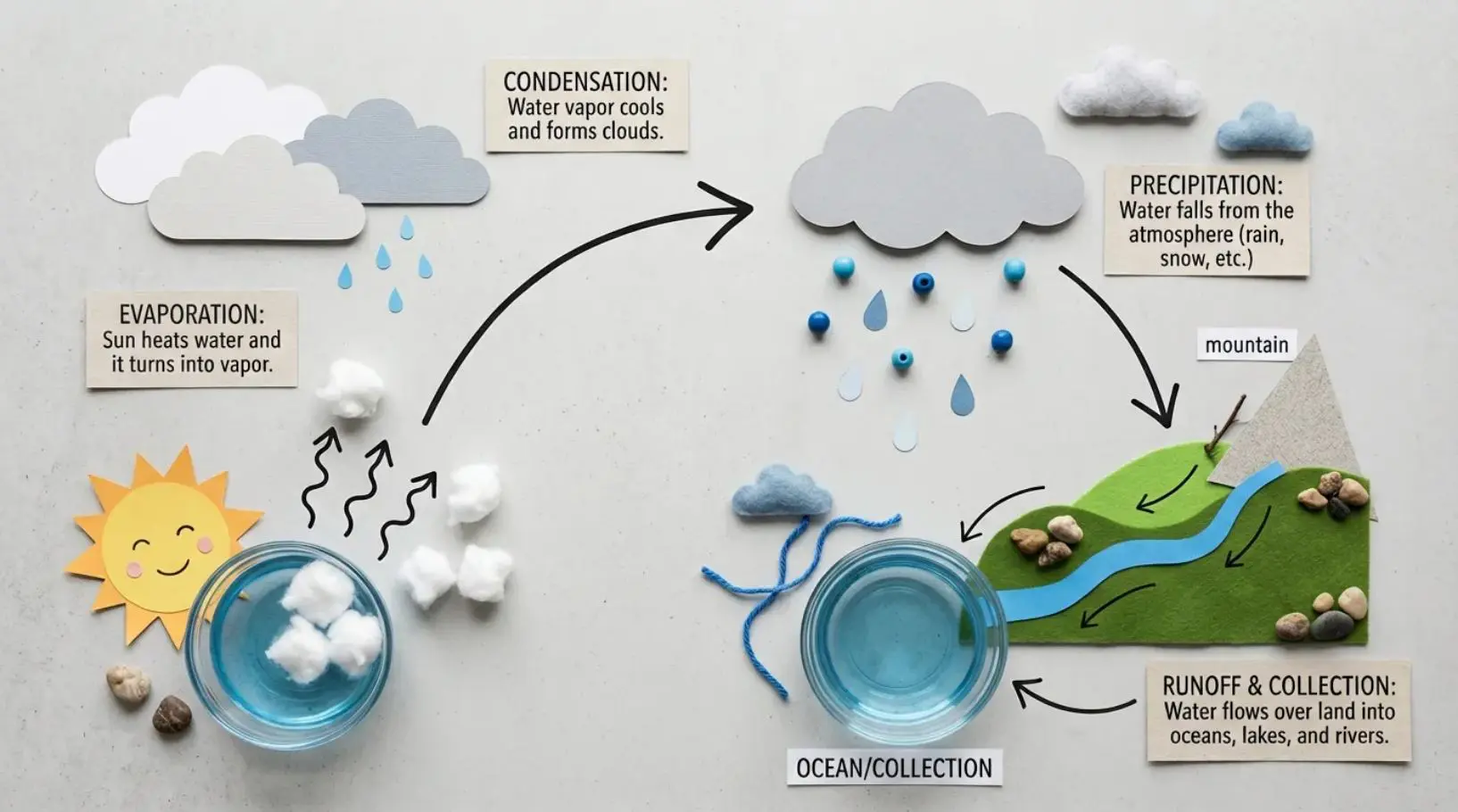
At the same time, Google claims that the image quality is on par with professional tools. The model is said to be capable of generating detailed, realistic images comparable to those produced by heavier and slower systems. Whether that promise holds up in practice will depend on the specific use case.
Available today in Gemini
Google is making Nano Banana 2 available through its existing AI platforms and tools. The model aligns with the company’s broader strategy to integrate AI functionality into products already used by large numbers of users. Developers can deploy the model via the available APIs.
The name ‘Nano’ refers to the compact setup of the model, which also explains the lower requirements for processing power. This makes it interesting for companies that want to use AI image generation without providing heavy infrastructure.
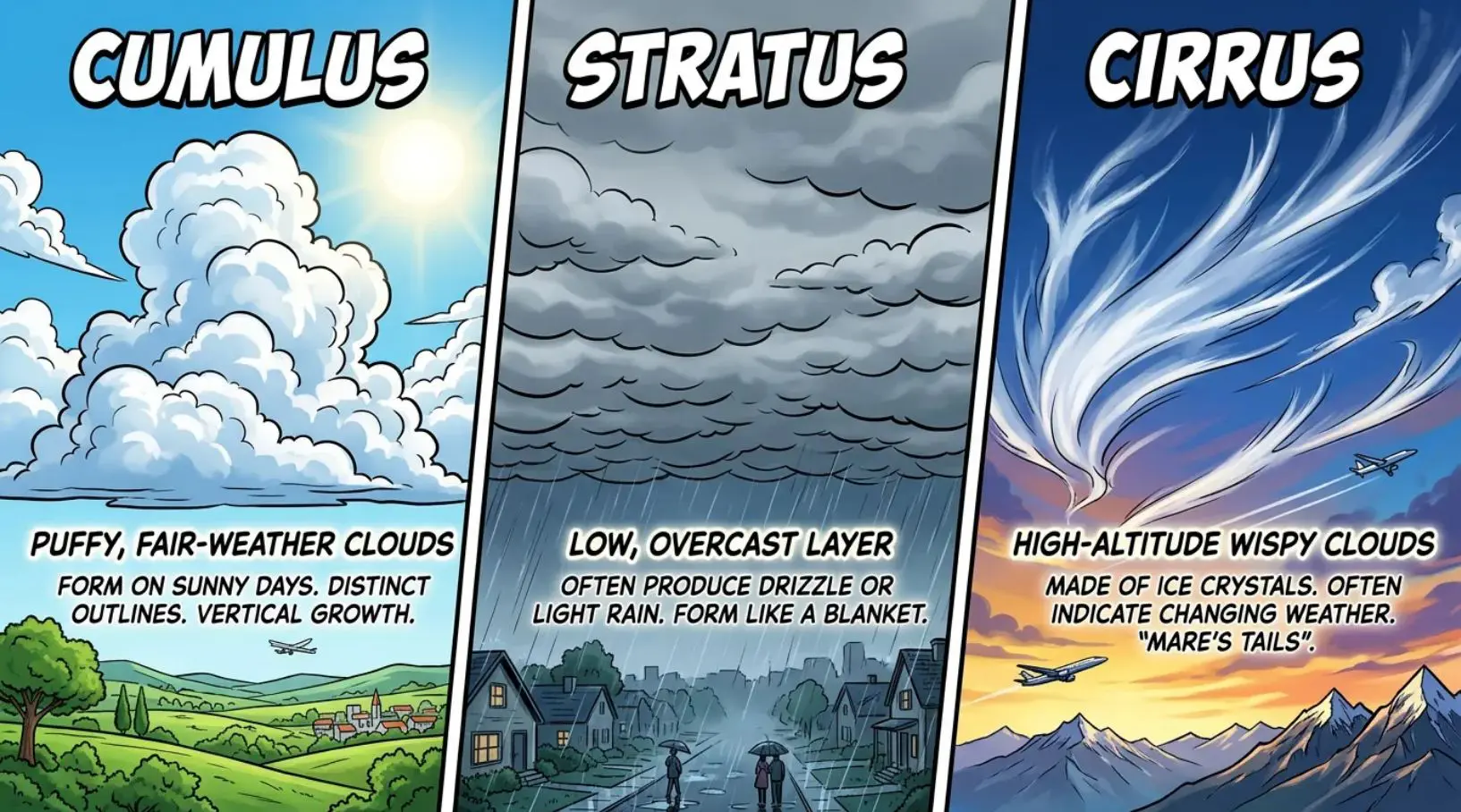
With Nano Banana 2, Google enters a market where players like Midjourney, Stability AI, and Adobe are already active. The emphasis on speed and accessibility is a conscious choice to differentiate itself from competitors that primarily focus on maximum image quality, often at the expense of processing time.
In this article and below you can see a number of examples of AI-generated images by Nano Banana 2, provided by Google. For more examples, click here.
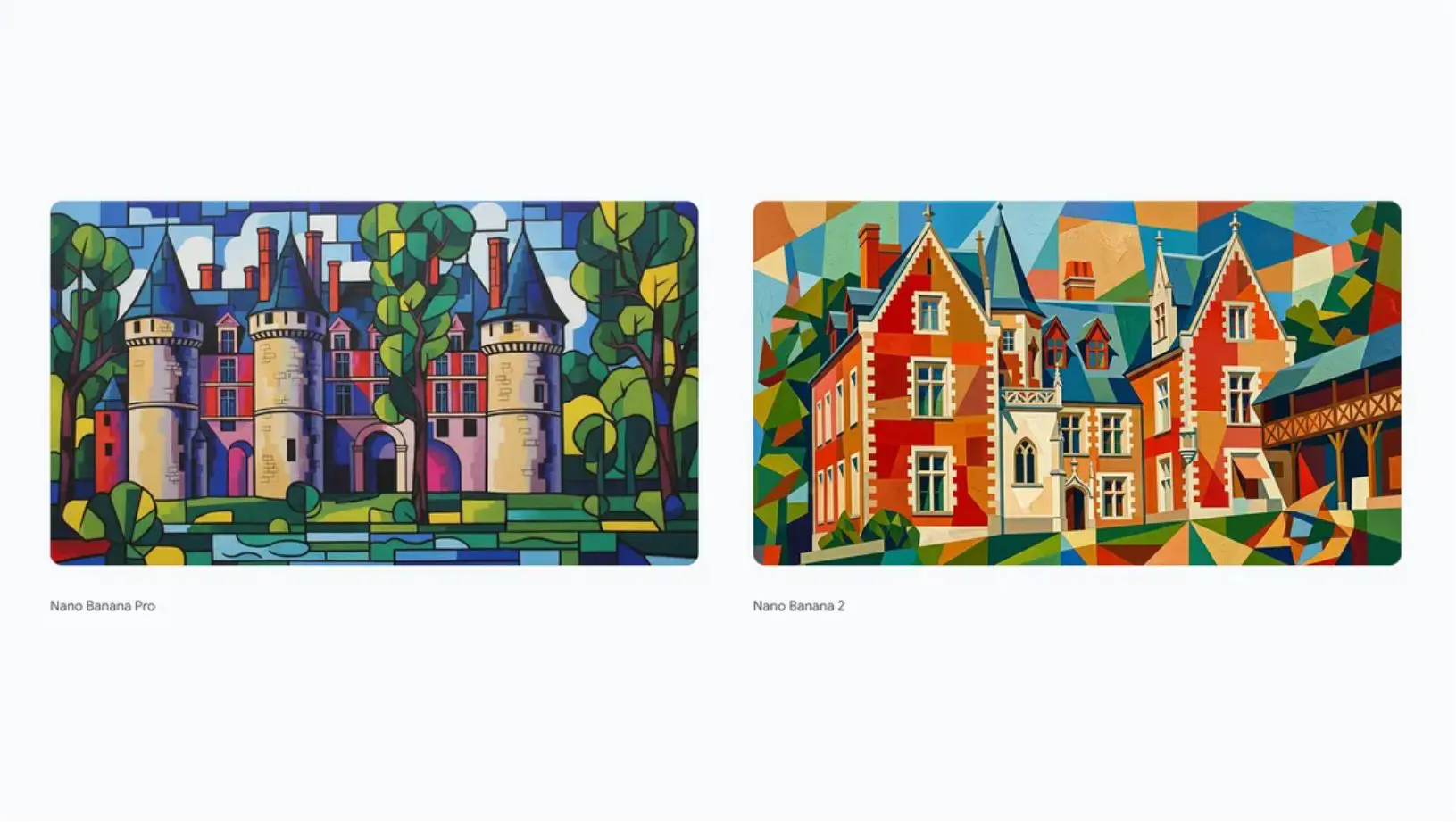

Prompt 2: Take this concept and localize it to an Indian setting, including translation of all text into Hindi