

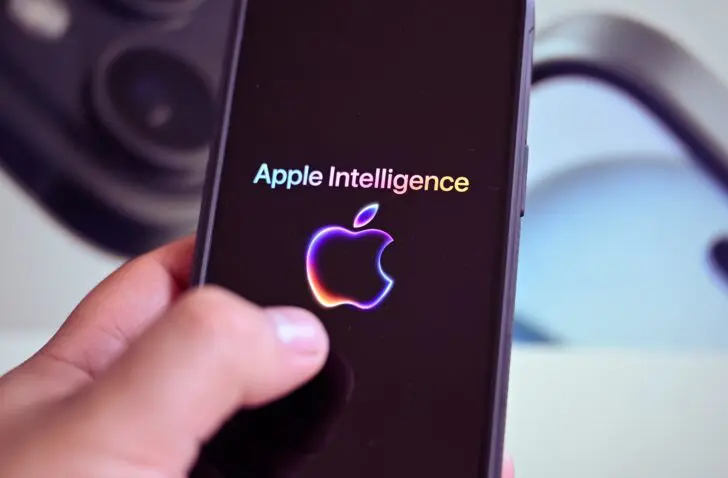
Apple joins Google in opposing proposed EU mandates to offer AI services in an open manner on smartphones.
The EU wants more interoperability for AI services on Android devices. Unsurprisingly, Google is not a fan of the idea and is now receiving support from Apple, according to Reuters. The iPhone maker sees the writing on the wall and anticipates that mandatory openness for Android will set a precedent for demanding the same within the iOS ecosystem.
DMA obligation
The European Commission has determined that Google must build more openness and interoperability for AI services into Android to comply with the obligations of the Digital Markets Act (DMA). After all, the DMA requires major players not to abuse their grip on an ecosystem to exclude competitors.
For instance, Google currently integrates Gemini everywhere as the default option. AI features within Android are thus powered by Gemini, which sidelines other AI providers. However, it is perfectly possible to build AI functionality in a completely agnostic way, allowing the user to choose which LLM from which provider powers the features.
In other words, the EU wants smartphone users to be able to choose their AI provider freely, just as they can already freely choose a different browser or search engine. This has an impact: Mozilla indicated this week that the number of Firefox users has increased by millions thanks to the DMA rules.
‘Danger to privacy’
Apple is drawing from the same well for its criticism as it did with previous EU decisions. The iPhone maker points to unspecified risks to privacy and security. Apple uses this argument every time it goes on the attack against openness that benefits the consumer. Google also claims that more openness brings privacy risks for European users.
Apple also questions the expertise of the European Commission: “The European Commission (EC) is redesigning the operating system. In doing so, it is replacing the decisions of Google engineers with its own judgment, based on less than three months of work. This is all the more dangerous because the only value derived from the proposals guiding this work boils down to open and unrestricted access.”
The extra openness the EU has secured from tech giants—such as the interoperability of messaging services, the ability to install more applications, and the free choice of browser and search engine—has not yet led to inherent security problems.