


OpenAI and Anthropic are hoping for a valuation of a trillion dollars or more at their planned IPOs later this year. Other technology companies are worth even more, yet there is a major difference.
OpenAI has formally launched its trajectory toward an IPO at the end of this year. The IPO prospectus mentions a valuation of more than one trillion dollars. Anthropic has similar plans and also hopes to go public this year with a similar market capitalization.
Record-breaking IPO
An IPO (initial public offering) in which a newcomer’s value is immediately estimated at a thousand billion dollars or more is one for the record books. Yet the two developers of Frontier LLMs are not the only ones. SpaceX, which now also includes AI company xAI, also wants to join the fray. If the three companies get their way, they will account for more than 3.5 trillion dollars in market value.
That is a lot, but it is not entirely new territory. Microsoft currently has a market capitalization of nearly three trillion dollars and was even briefly worth four trillion dollars in August last year. Nvidia’s market value is currently around five trillion dollars. Google sits just below that, at 4.4 trillion dollars.
On the shoulders of AI
We don’t have to look far for the cause: although both companies have been valuable for a long time, the rising stock price is driven by the AI hype. Currently, fourteen companies have a market value of more than a trillion dollars. Ten of those are technology companies involved in AI development in one way or another.
With that in mind, it is almost logical that Anthropic and OpenAI are entering the stock market with a trillion-dollar valuation. After all, OpenAI and Anthropic are two of the most prominent companies missing from the AI sector. It is the frontier models of CEOs Sam Altman and Dario Amodei that keep the hype going. The newer and better models are opening doors to unprecedented possibilities, such as autonomous AI agents and AI programmers.
Profit or no profit?
However, there is a very important difference between OpenAI and Anthropic on the one hand, and the other highly valued technology companies on the other. In fiscal 2025, for example, Microsoft recorded a profit of nearly 102 billion dollars. Nvidia was just under 73 billion dollars in the black, and Google even posted a 132 billion dollar profit. These large companies generate enormous revenue and manage to turn that into substantial profits.
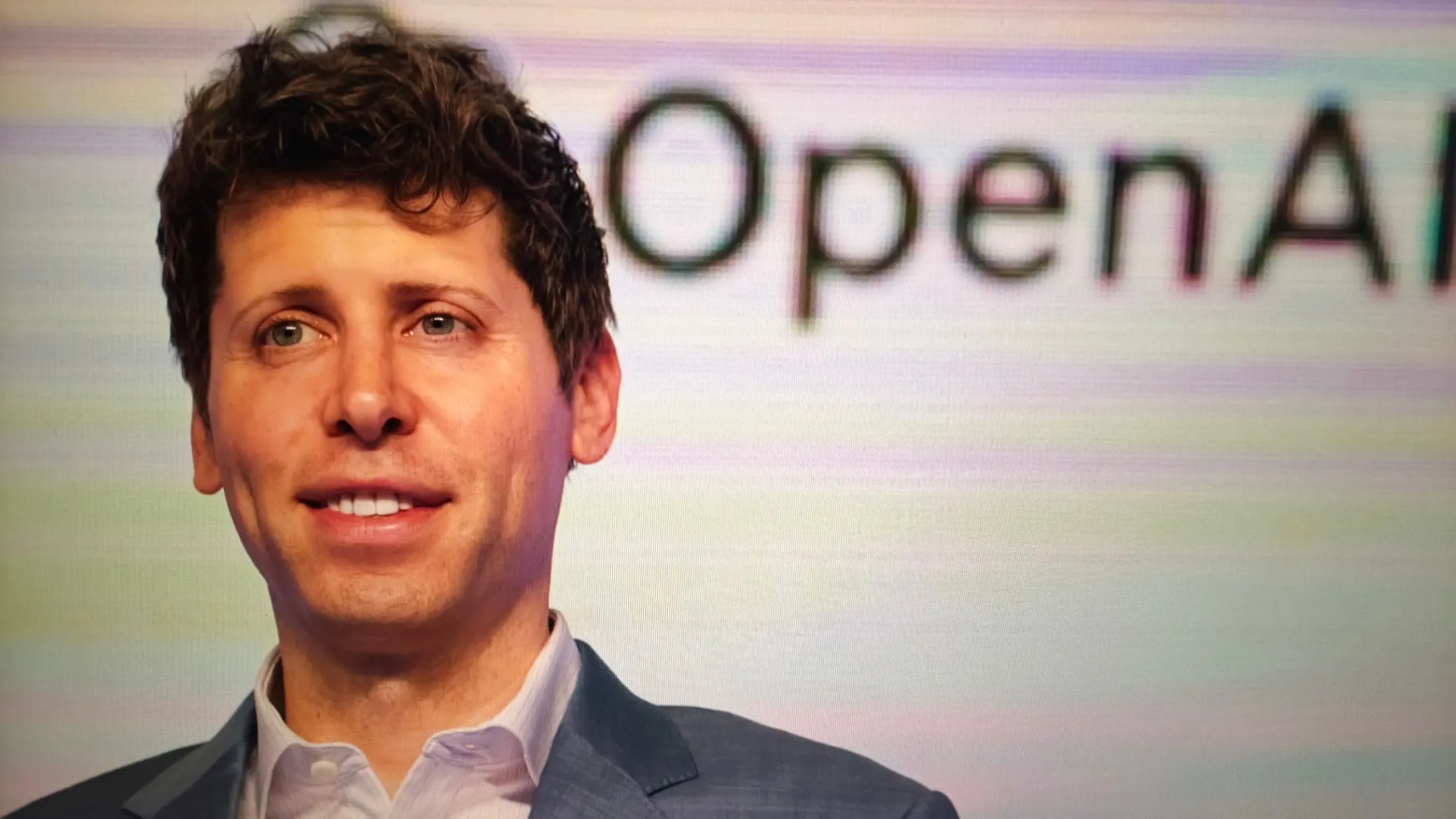
OpenAI, on the other hand, has never made a profit and lost 1.22 dollars for every dollar of revenue in the first quarter of 2026. Anthropic is also losing billions, and even SpaceX (with xAI) is not profitable.
No convincing profit model
In other words, the sky-high valuation of OpenAI and the two other players is based on promises and expectations. According to speculators, the relevance and popularity of AI will translate into massive profits. Yet, at this moment, there is not a single example of a developer of so-called frontier models that has already linked a profit model that compensates for the enormous investments in R&D.
There are also caveats to be made regarding the valuations of, say, Nvidia or Google, but the fact remains that these companies currently have a business model that earns them billions annually. Making a profit has not been an issue for most of them for years: even before the introduction of generative AI, the accountant could leave the red pen at home.
Not welcome in the S&P 500
As a result, we find Microsoft, Google, and Nvidia in reputable indices such as the S&P 500 from S&P Dow Jones. This index tracks companies with a high market capitalization, but it doesn’t do so indiscriminately. To be included in the S&P 500, a company must be able to demonstrate more than just a high market value.
Anthropic, SpaceX, and OpenAI had hoped for an exception, and S&P Dow Jones considered it for a long time. Ultimately, the organization announced that it will not adjust its rules regarding entry into the S&P 500. Successful IPO or not: OpenAI and Anthropic, like all other companies, will have to wait at least a year before being included in the index.
They will also have to present profitable quarters, and that likely won’t happen anytime soon. After all, the question is whether a business model even exists for developers of frontier LLMs that compensates for the development costs incurred.
Enormous interests are at stake with the IPOs of these AI companies, including those of major banks. Whether S&P Dow Jones will hold its ground after the IPO remains to be seen.
Lots of AI, so lots of money?
AI is largely consumed within an enterprise context provided by other parties. Think not only of Microsoft, but also Salesforce, ServiceNow, SAP, and many others. These companies take an LLM-agnostic stance: switching AI models can be done at will. Furthermore, (free) open-source models are also getting better and better.
The future of AI is not the same as that of Anthropic or OpenAI: a path exists in which AI can more or less live up to the hype, but the developers of frontier LLMs still fail to make a profit. Working hard and investing a lot of time and effort to create something everyone wants doesn’t immediately make you rich. Just ask the Belgian potato farmers.
Forrester draws a different comparison and warns that OpenAI could end up becoming the BlackBerry of AI. FIFO, or First In, First Out, is a phenomenon where the company that defines a category still ends up painfully disappearing from it. The analysts align with the vision of the tech companies mentioned above and advocate for flexibility regarding the AI companies an organization partners with.
OpenAI and Anthropic, of course, claim and promise that things will be different: they expect to be able to convert the growing adoption of AI into revenue that justifies the trillion-dollar valuation. Enormous growth is expected to lead to equally enormous revenue in a few years. Anthropic, for example, is counting on sustained revenue growth by a factor of ten, year after year.
Trillion-dollar promises
Whether it will turn out that way, no one knows for sure. Thus, the impending IPO of the LLM builders remains suspended on expectations and promises of a technology, rather than a demonstrably successful business model linked to that technology.
That fact will likely not affect the IPOs too much. At this moment, the hype is enough to justify the valuation. OpenAI is worth one trillion dollars because people believe it is worth one trillion dollars, which makes it worth one trillion dollars.