

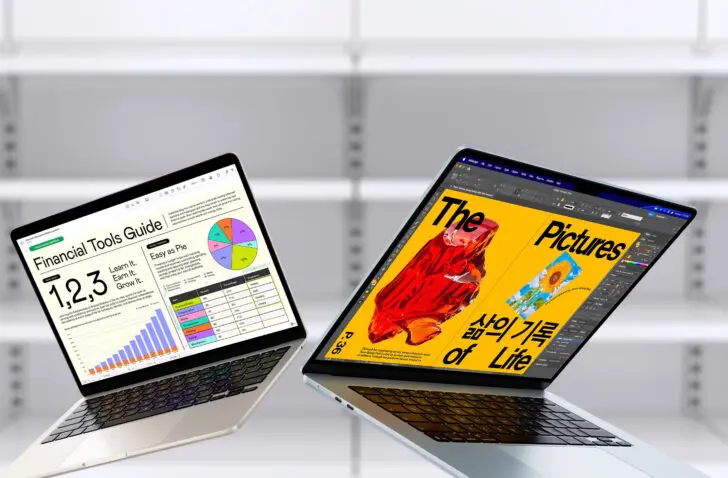
Apple is struggling with significant shortages of the MacBook Air. Deliveries of new models are taking up to a month or even longer. Windows manufacturers are currently in a better position.
The memory shortages, caused by the major AI players, are now also affecting Apple. The popular MacBook Air is no longer readily available. This seems to be the case worldwide.
Long wait times
In the Belgian webshop, a base configuration with 16 GB RAM ordered today will be available in three to four weeks at the earliest. For configurations with more memory, the wait time increases. A MacBook Air with 32 GB RAM will arrive in six weeks at the earliest. In-store pickup is available starting one week later in each case.
The MacBook Neo is still available, with a delivery time of one week. Pickup is still possible immediately at an Apple Store. The MacBook Pro is also still available, as long as you opt for the model with 16 GB or 24 GB RAM. For 32 GB, the wait is also at least one month.
Back to school (without a MacBook)
Apple seems to have been allocating available memory for some time to meet demand as effectively as possible. For less popular devices like the Mac Mini, the wait time for the base configuration with 16 GB RAM already extends to September 16 for those wishing to pick up the device in-store.
The timing is painful for Apple. Devices ordered now will no longer be available before the start of the traditional school year. Those wanting a new device for the start of the academic year in higher education must also hurry. Apple has paused back-to-school promotions worldwide.
Together in the same queue
The shortages illustrate how the MacBook Apple sells is, at the end of the day, just a laptop. Production faces the same issues as devices from Dell, HP, or Lenovo. Although Apple develops its own CPU with the M-chips, other components come from the same suppliers as Windows laptops. With Samsung, Micron, and SK Hynix, there are really only three major memory manufacturers, and when they struggle with insufficient production, Apple feels it too.
Traditionally, Apple can throw its weight around and secure a preferred position for itself. Like iPhone processors, M-chips roll off the latest Foxconn production lines as a priority, sometimes before other chip designers gain access to them. However, the US-based computer builder does not seem to have received special treatment for memory deliveries this time.
AI is hijacking the memory
The competition is fierce. Like all other laptop (and smartphone) manufacturers, Apple needs DDR memory. However, production lines that make (LP)DDR5 RAM can be slightly modified to manufacture HBM. High Bandwidth Memory is what AI accelerators need. Hyperscalers and AI developers are willing to pay significant margins on HBM, leading memory manufacturers to prioritize the production of that memory.
The consequences in the laptop market are tangible: devices are becoming more expensive in an attempt to dampen demand and preserve margins, configuration options are more limited, and now Apple is also struggling to deliver just before a key period. Last month, the manufacturer already chose to increase the price of its laptop range by a hundred euros or more.
What about Windows laptops?
Windows laptop manufacturers are also struggling with component shortages and price increases in the memory market. However, a spot check suggests that Windows manufacturers are currently better prepared.
We can obtain a basic Dell Pro 14 laptop by mid-August, and a Dell Pro Plus 16 can even be delivered tomorrow. For the Dell Pro 14 Premium, wait times are also starting to increase slightly, up to 2.5 weeks.
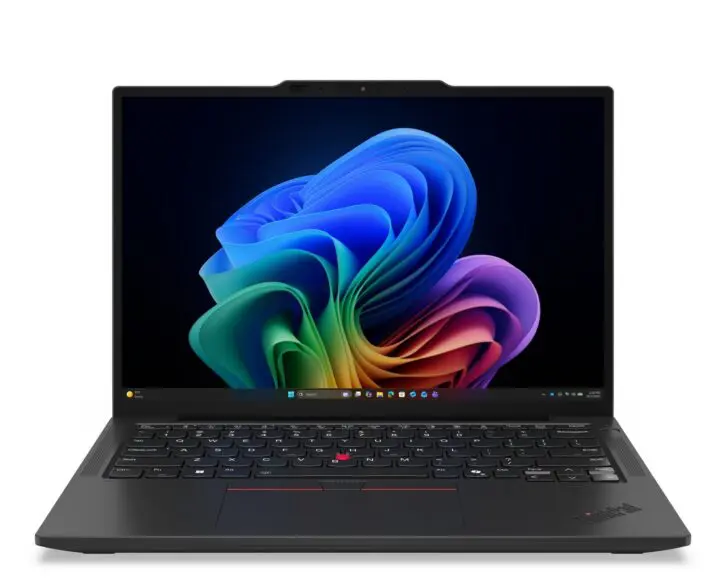
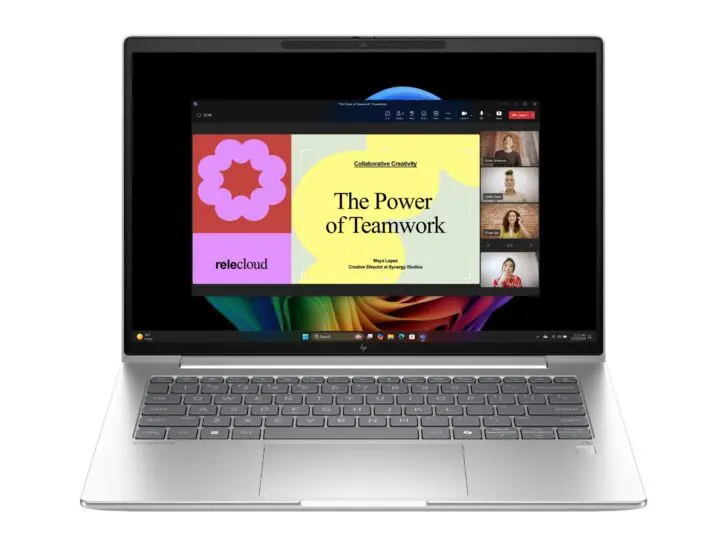
At Lenovo, we see delivery times of ten days to two weeks in the ThinkPad range, and immediate availability for some ThinkBooks. Furthermore, Lenovo is still running a back-to-school promotion. We see the same at HP: alongside an ongoing promotion, an extensive selection of HP ProBooks and EliteBooks is marked as ‘in stock’ in their own online store.
Smartphones under pressure
In the smartphone world, the situation is not much better. The budget segment is at risk of disappearing entirely, as it is no longer possible for smartphone manufacturers to build competitively priced devices given the price they have to pay for memory components.
This problem does not seem to affect Apple for now, although even the manufacturer’s cheapest devices can hardly be classified in the budget segment. iPhones, including the more competitively priced iPhone 17e, are still readily available.