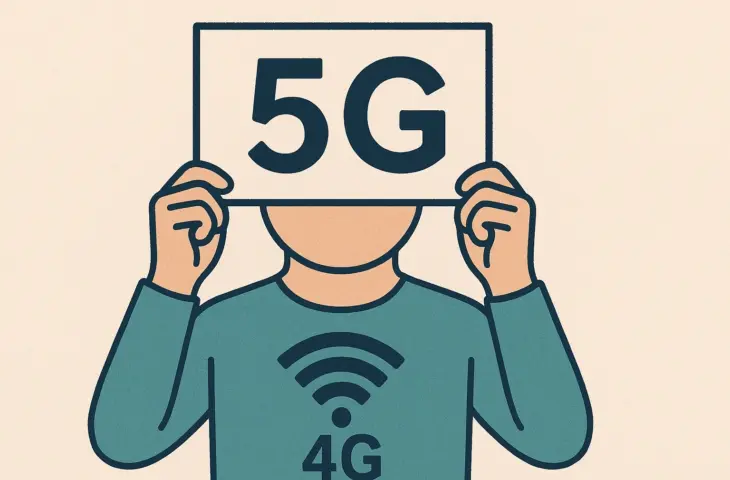
British research shows that the 5G symbol on your phone doesn’t always reflect actual 5G.
When your smartphone indicates 5G for mobile data, this doesn’t always mean you actually have 5G, reports BBC based on British research. The study shows that nearly 40 percent of the time a phone displays the 5G symbol, it’s actually using a 4G connection.
5g or not?
5G is the latest generation of mobile network, the successor to 4G, and boasts higher download speeds and smooth streaming. When you pay for a mobile plan with 5G, you naturally want to enjoy those promised speeds.
However, the new research suggests that the 5G signal may not mean your phone actually has 5G. This became apparent from various tests by the PolicyTracker research group in London.
read also
What Can We Expect from the 6g Network?
Martin Sims from PolicyTracker explains to BBC that the symbol on your phone indicates the “presence” of a 5G signal in the area, but doesn’t guarantee that your phone is connected to it.
Standalone 5g
The unstable state of 5G has given rise to a new concept, namely “standalone 5G”. This is a new service that providers claim should offer ‘real 5G’. For instance, telecom operator Orange switched to standalone 5G.
read also
Orange Brings ‘Real’ 5G to the Port of Antwerp, the Belgian Military and SNCB
However, Sims expresses doubts about the new service. “Even with the ‘standalone 5G’ service, your phone can still fall back to 4G if no faster connection is available.”
Want to be sure whether your 5G connection delivers the expected speeds? You can simply run an online speed test to see your actual download and upload speeds. To check what coverage your region offers, you can consult the Belgian coverage map from Testaankoop.