

Cursor launches Origin, a new solution that allows users to host their code directly with Cursor. The beta version is available to all paying subscribers.
The AI startup for programming tools Cursor introduces Origin, a cloud service where software teams can manage and store their code on the platform. The first version focuses on core functionalities such as repositories, pull requests, and code navigation. Cursor was recently acquired by SpaceX for 60 billion dollars. Origin represents the first major product announcement since the sale. The rollout of Origin has started in early beta for all paid subscriptions.
Hosting code
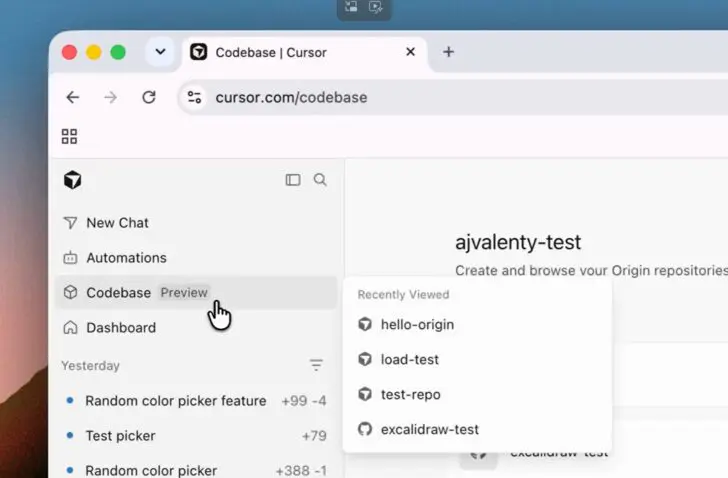
Cursor can now host your code. Users get a new Codebase tab as a central location for their Origin repositories. Here they can easily create new repositories, featuring a unique name that forms part of the URL. After creation, the platform displays instructions for installing the CLI and the necessary commands to clone a repository or push local projects. The code is then hosted directly with Cursor.
Integration with GitHub
In addition to hosting their own code, users can link their existing GitHub repositories to Cursor. The new service is based on Git, a code repository management tool developed by Linux creator Linus Torvalds, which also forms the basis of GitHub.
By connecting GitHub and choosing an organization, repositories become visible and can be synchronized. Users decide for themselves which repositories are linked and can disconnect them at any time. Anyone with read or write permissions can view these synchronized repositories in Cursor.
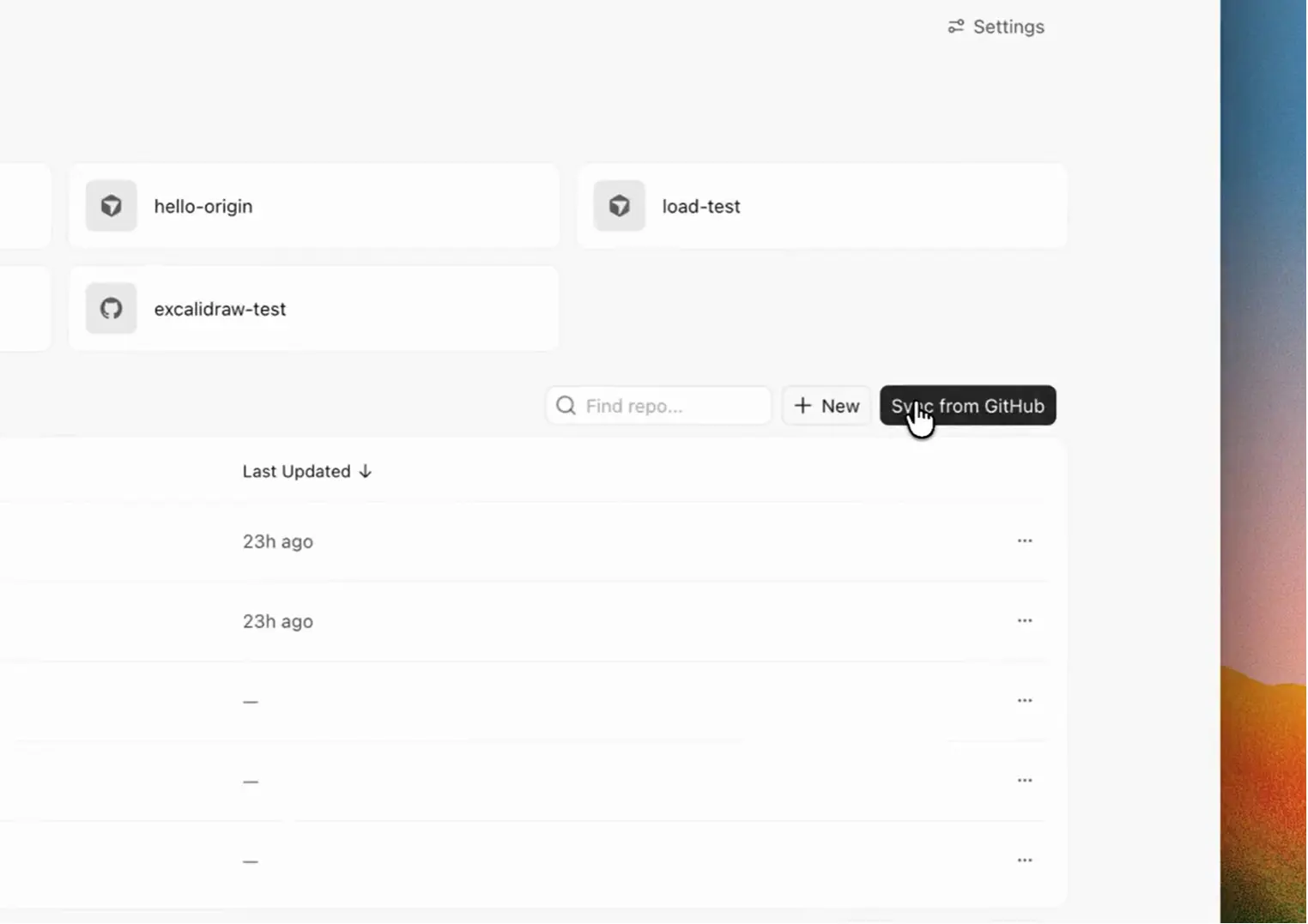
Synchronization with GitHub happens in real-time. Users can search and retrieve code from the copy in Origin, while pushes continue to go to GitHub. GitHub remains the source of truth for linked projects. Cursor uses clear icons to distinguish between locally hosted and synchronized repositories.
Pull requests
Every repository in Origin supports pull requests. Users can consult the timeline, commits, checks, and involved files, provide feedback, and merge. Pull requests in synchronized repositories are automatically updated in both directions. Comments and actions in Cursor also appear on GitHub and vice versa, including assigning and merging reviews.