

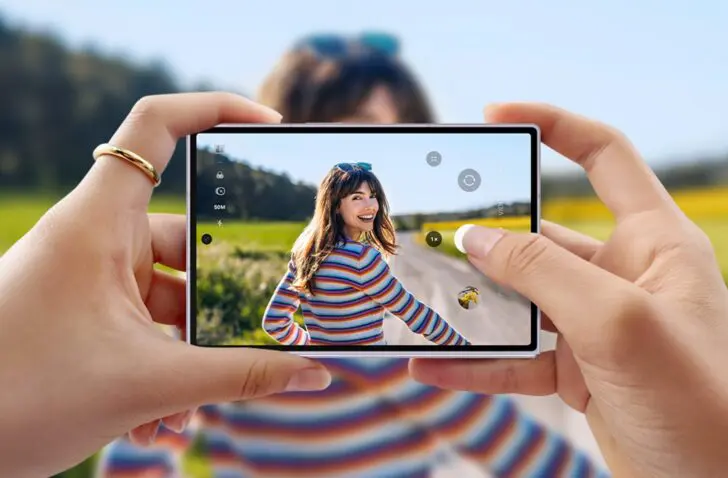
With the Galaxy Z Fold 8, Samsung has finally understood that a foldable phone should not be narrow, but wide. To speak of a definitive blueprint for foldable phones, however, the cameras must be of a higher standard.
Since the launch in 2019, it has taken Samsung seven years to gather the courage to test a different shape: the passport form. Why it took so long, we do not know. Google already demonstrated with the very first Pixel Fold that the format works, but failed to follow through and switched to a narrower screen. There was also the Microsoft Surface Duo 2, but we all know what happened to that.
Now we see a new attempt, this time from Samsung presumably with Apple in its wake. The Samsung Galaxy Z Fold 8 (from 1,999 euros incl. VAT) is not cheap, but no foldable phone is (if you exclude the Flip variants).
We spent a full month with this new format to get past the initial honeymoon period. Is this shape just cool because it is different, or is the device truly useful?
Closing and opening with satisfaction
After all these years, Samsung does not need to be told how to make foldable phones. The Galaxy Z Fold 8 is beautifully finished and premium, with all the luxury you expect. The device feels very sturdy. The hinge, in particular, is impressive thanks to a very pleasant click when you unfold it at the end, which pulls the whole unit taut.
Can you still see a crease across the screen? Yes, but it is much less visible than with other manufacturers. Those who want to see it, will. We stopped noticing it after a few hours, except in direct sunlight at certain angles (again, if you really want to).
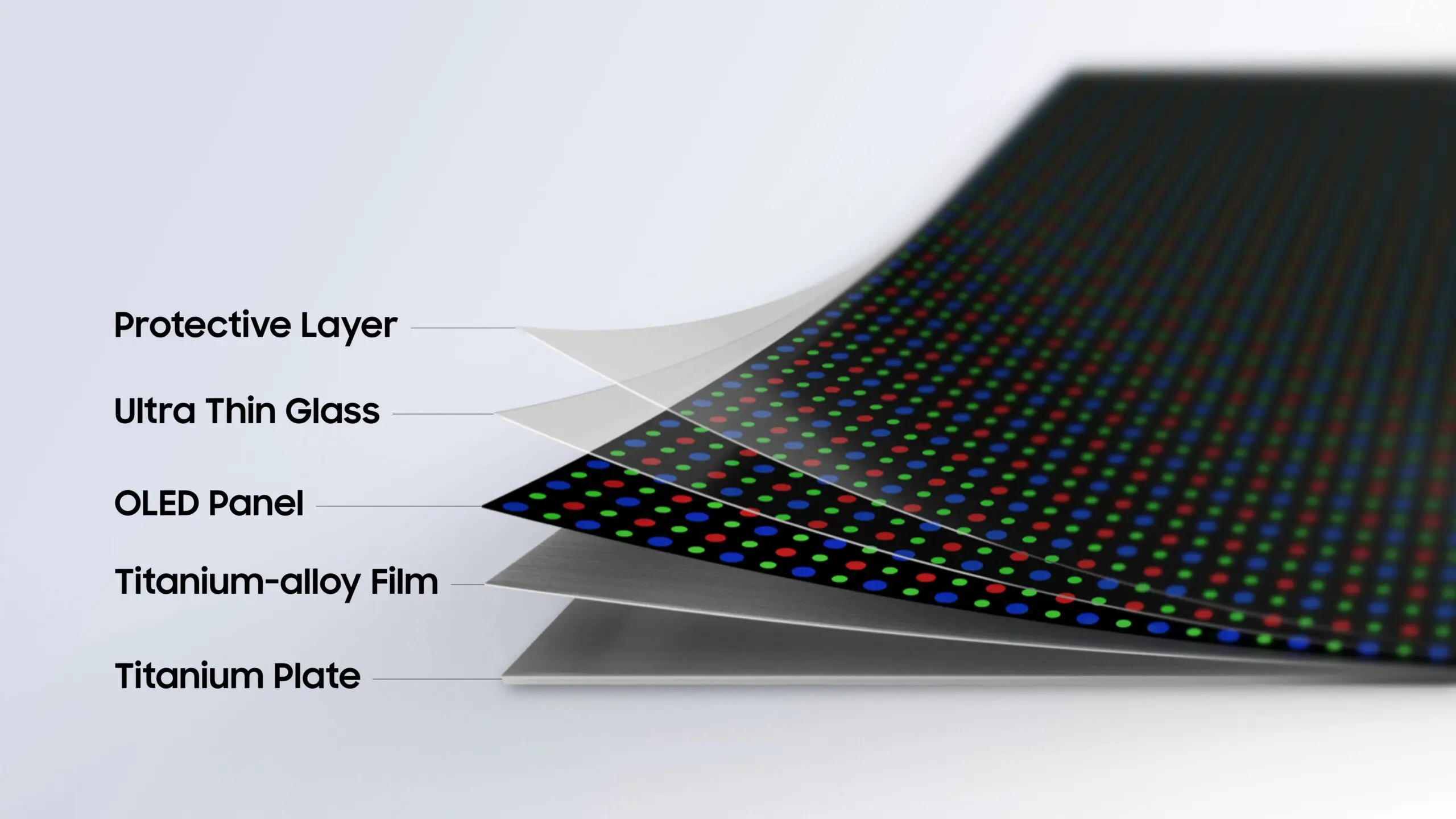
Closing it still feels good after a month. Just enough tension for a premium feel. For Samsung’s very first foldable phone in a passport format, this is very strong work.
Why a passport format?
Why are we such fans of this format for a foldable phone? Because most of the time, you do not actively use such a phone on its large screen. Tasks like quickly checking something on the web, replying to a message, checking train status, retrieving 2FA codes, or checking the weather forecast are all things for which you do not need a large screen.
In our case, during daily use—once the first two weeks of enthusiasm have passed—we use the large screen 20 percent of the time and the small screen 80 percent. Those moments when you do unfold the phone are then an absolute added value. Think of media (photos and videos), Google Maps, email, documents, and browsing.
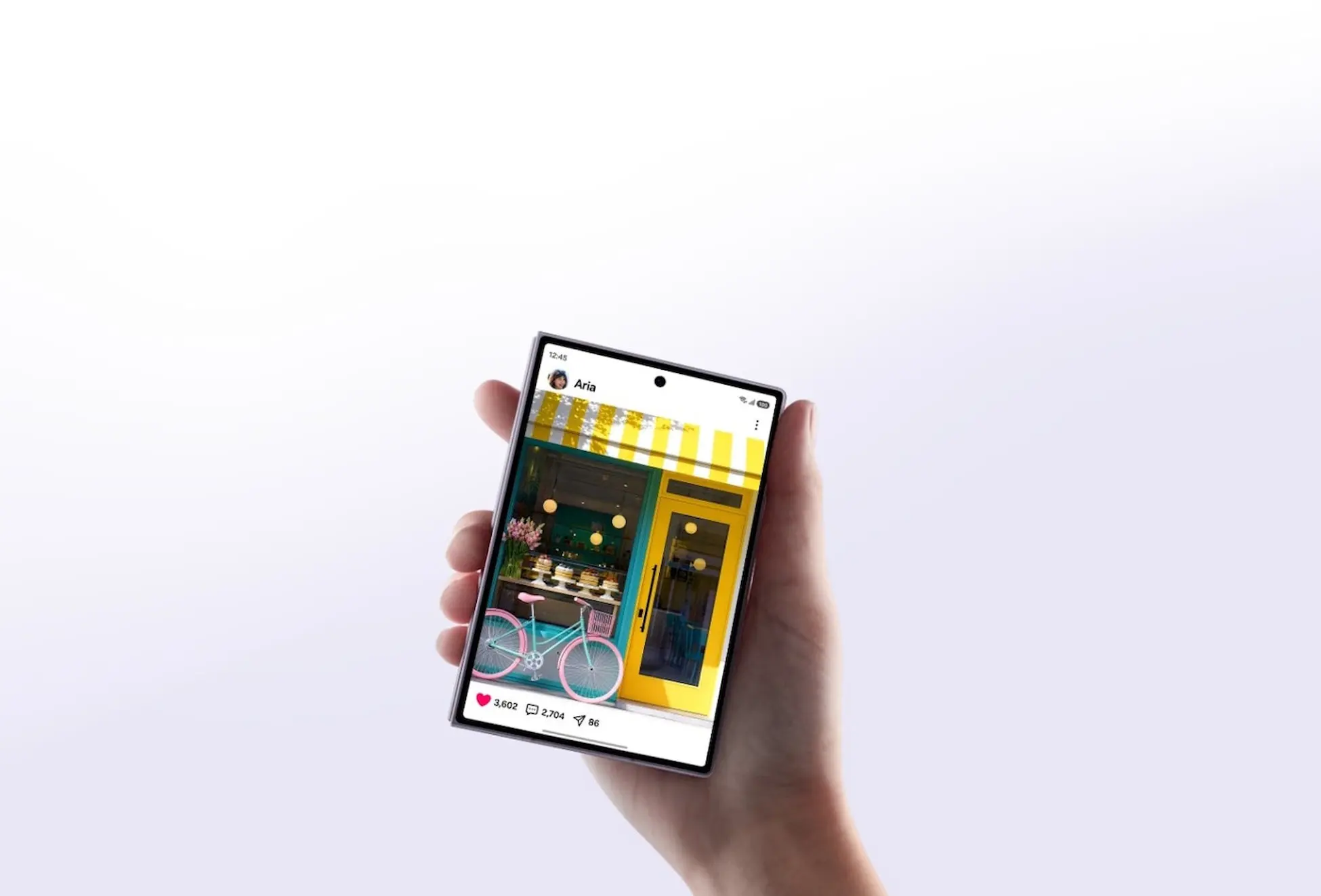
We are thrilled with that 20 percent, but for the other 80 percent, the phone must also be handy and functional. A narrow screen, like most foldables today, simply makes usage less practical: typing becomes precision work, one-handed use is not feasible, and it is more noticeable when you put your phone in your pocket.
No more square screen
We are not finished praising the passport format just yet. The large internal screen of the Samsung Galaxy Z Fold 8 has the same 4:3 aspect ratio as a photograph. Your photos appear larger on the 7.6-inch folding screen of the Fold 8 compared to the 8-inch folding screen of the Fold 8 Ultra, which is almost a square.
With video, you again gain screen real estate with the Fold 8 because it is not as square as the Ultra. Email is also more convenient with the extra width. Only applications such as Google Maps or browsing utilize the almost square screen of the Fold 8 Ultra better.
Despite the new format, you have to sacrifice little in terms of specifications. There is the slightly smaller battery (4,800 mAh vs. 5,000 mAh), but otherwise, the chips, charging speed, wireless charging, and the two screens are identical. Only the cameras take a hit.
Cameras as the weak link
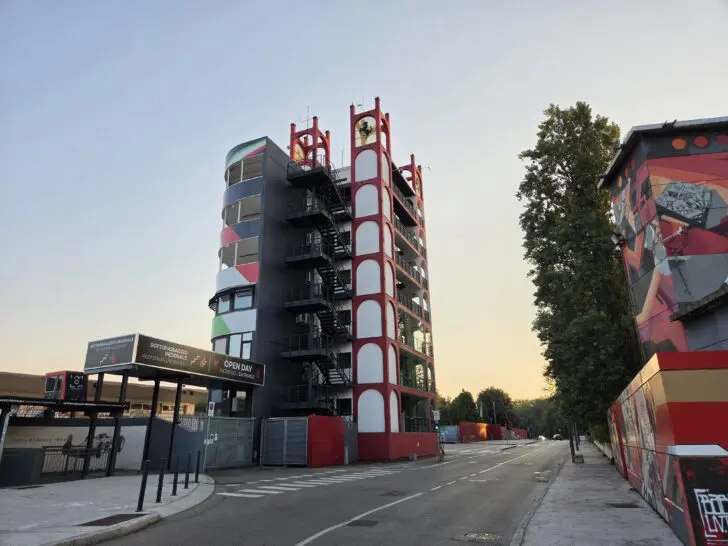
Samsung keeps the camera ambitions of the Galaxy Z Fold 8 modest. On the back, there are only two cameras: a 50 MP main camera (the same as in the regular Galaxy S26) and a 50 MP ultra-wide angle that matches that of the S26 Ultra. A telephoto lens is completely missing, a direct result of the thinner design. Those who want to zoom in further must rely on digital zoom, where the quality visibly deteriorates.
In daylight, the device performs decently. Photos show excellent contrast, a wide dynamic range, and vivid colors. However, a critical eye will notice a lack of absolute sharpness in the details. The ultra-wide angle is a positive surprise: plenty of detail, even indoors, and autofocus enables macro photography. In the dark, the image becomes less convincing due to noise in the shadows and general softness. The special night mode is strangely only available via the separate Camera Assistant app.


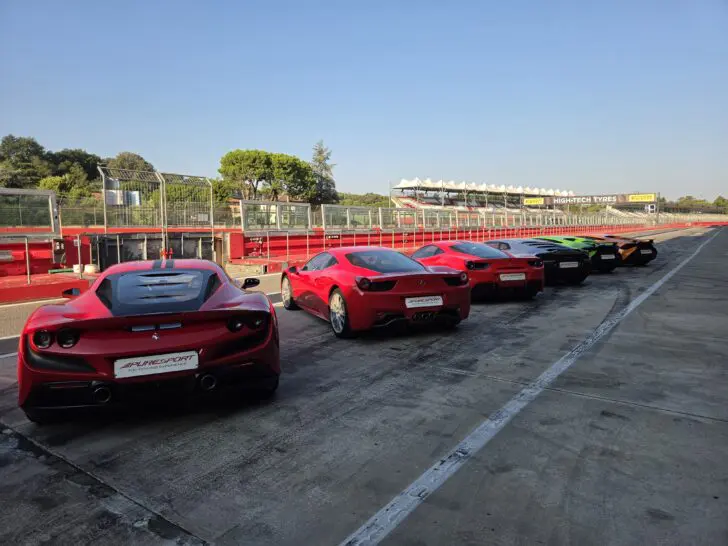




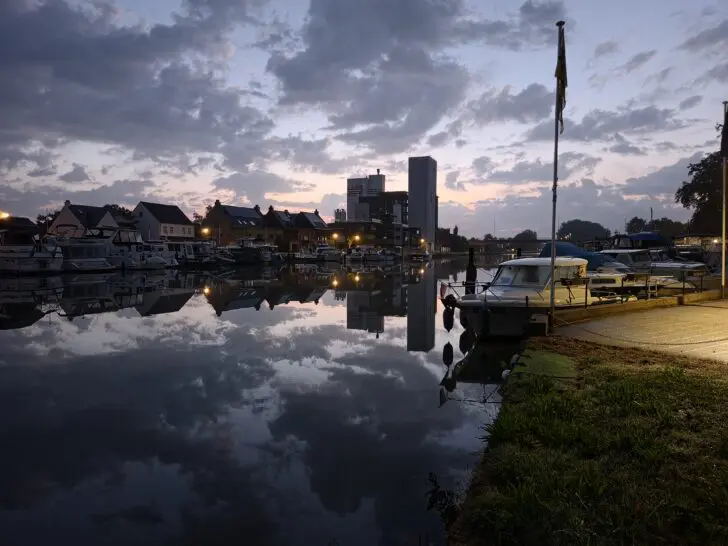
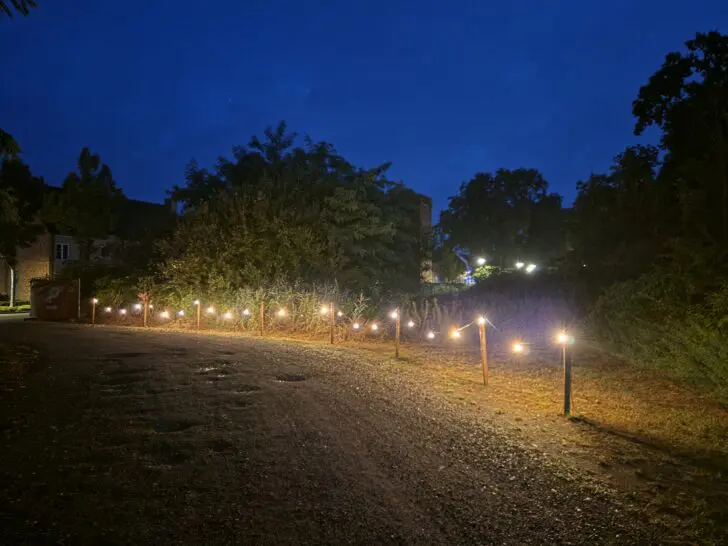

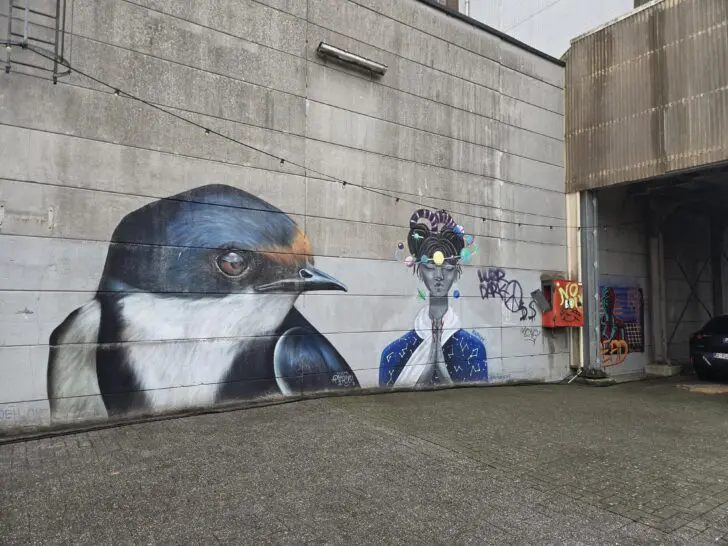
The contrast with the Z Fold 8 Ultra is significant. That model does feature a triple camera with the 200 MP main sensor from the S26 Ultra, plus a telephoto lens with 3x optical zoom, although Samsung places a poor sensor behind it.
CPU and GPU performance
The cameras are not at the level you expect for this price tag, but the rest of the hardware is. Inside is the latest Qualcomm Snapdragon 8 Elite Gen 5. You can expect top performance for both the CPU and GPU, but with the caveat that the phone heats up very quickly and begins to throttle.
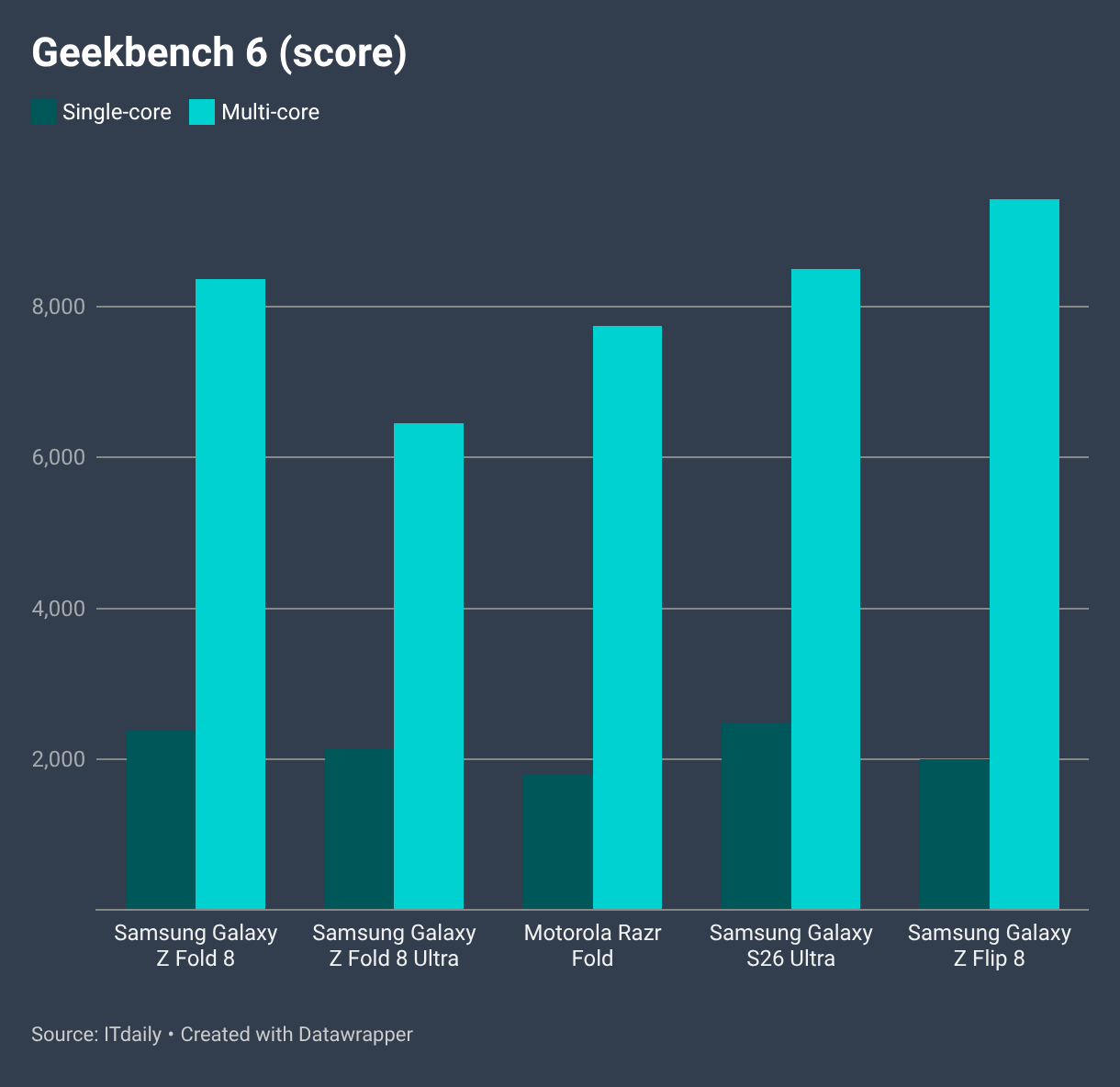
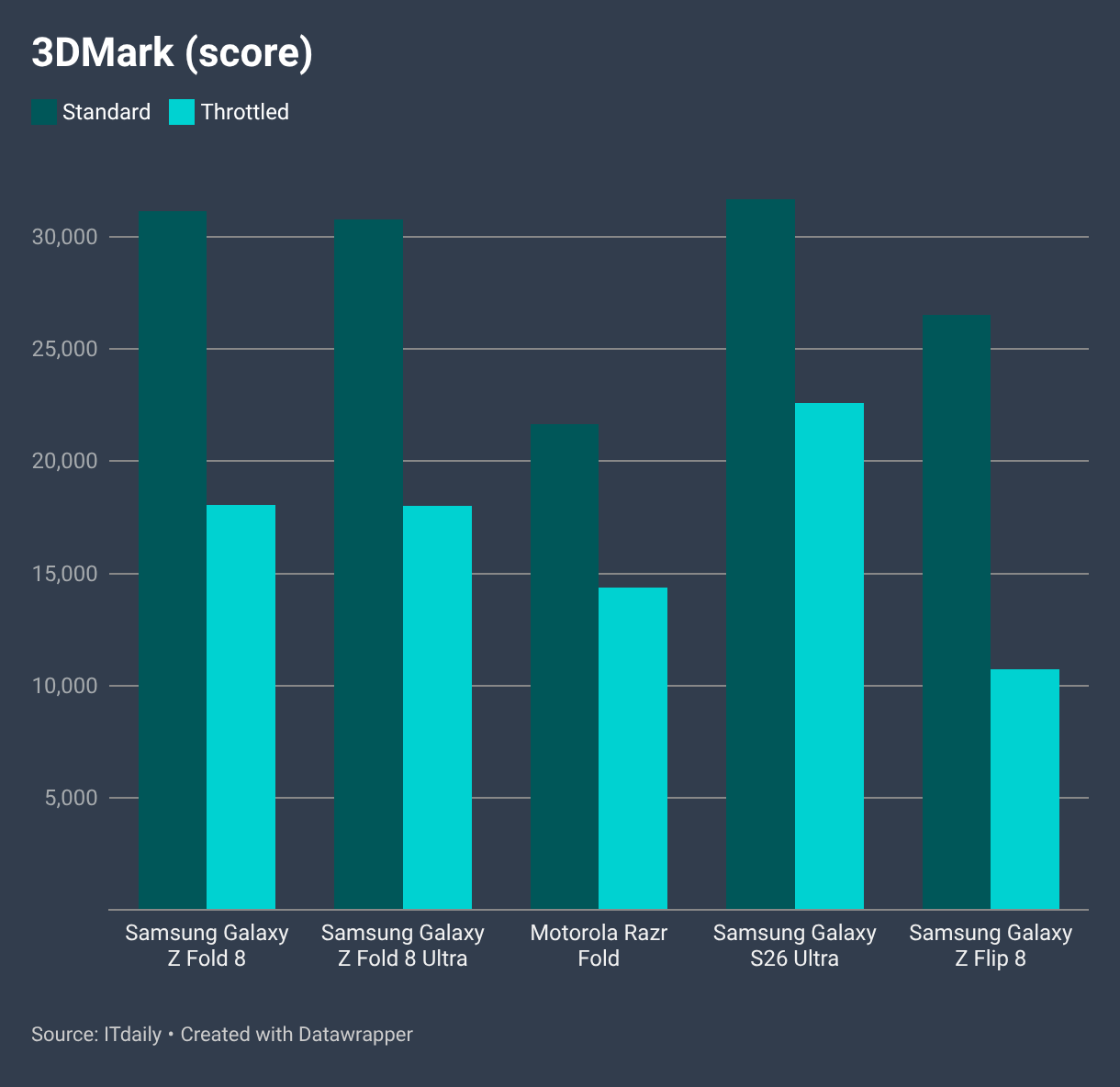
Whether you choose the classic format or the passport shape, both have to sacrifice significant performance after about two minutes. What remains afterward is still world-class and more than sufficient for any type of work.
Battery and charging speed
The more compact 5.5-inch touchscreen of the Samsung Z Fold 8 ensures that the limited battery capacity of 4,800 mAh is not an issue.
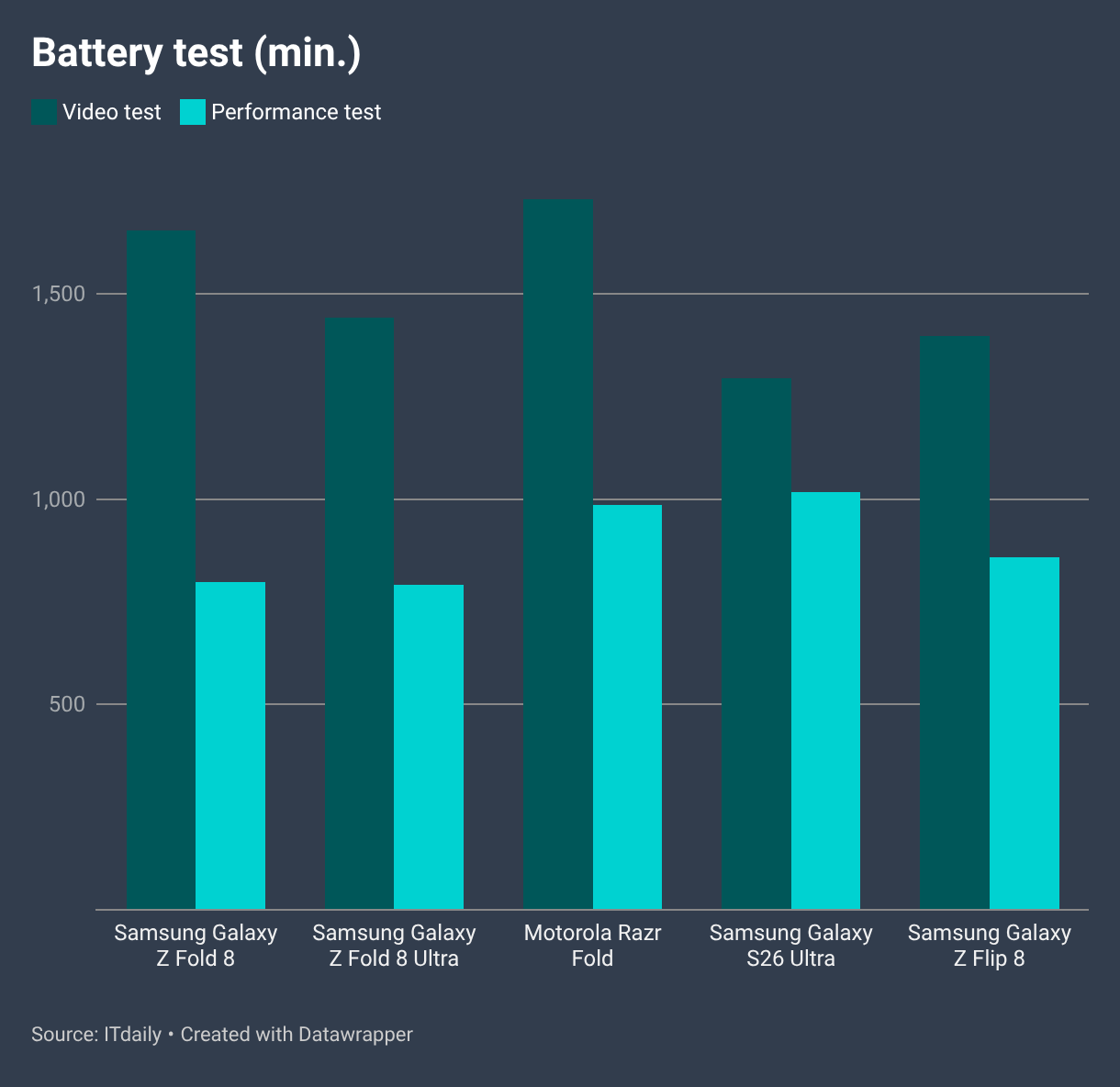
The compact phone lasts longer than the Ultra variant with its 5,000 mAh battery, but it must yield to absolute battery kings with larger batteries.
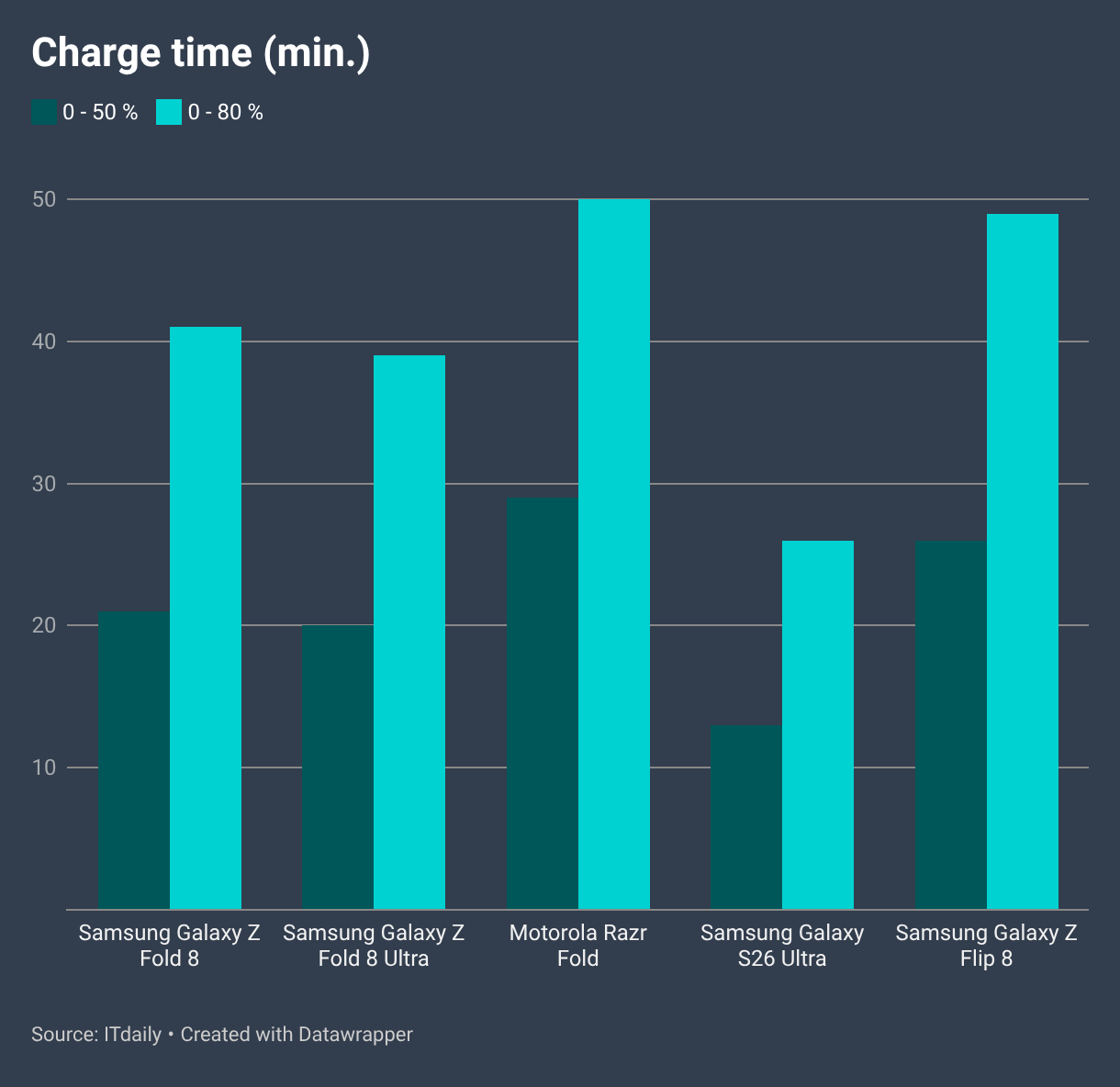
What makes us happy is that Samsung finally seems to understand the concept of fast charging. At a 45-watt peak speed, this phone is half-charged in 20 minutes.
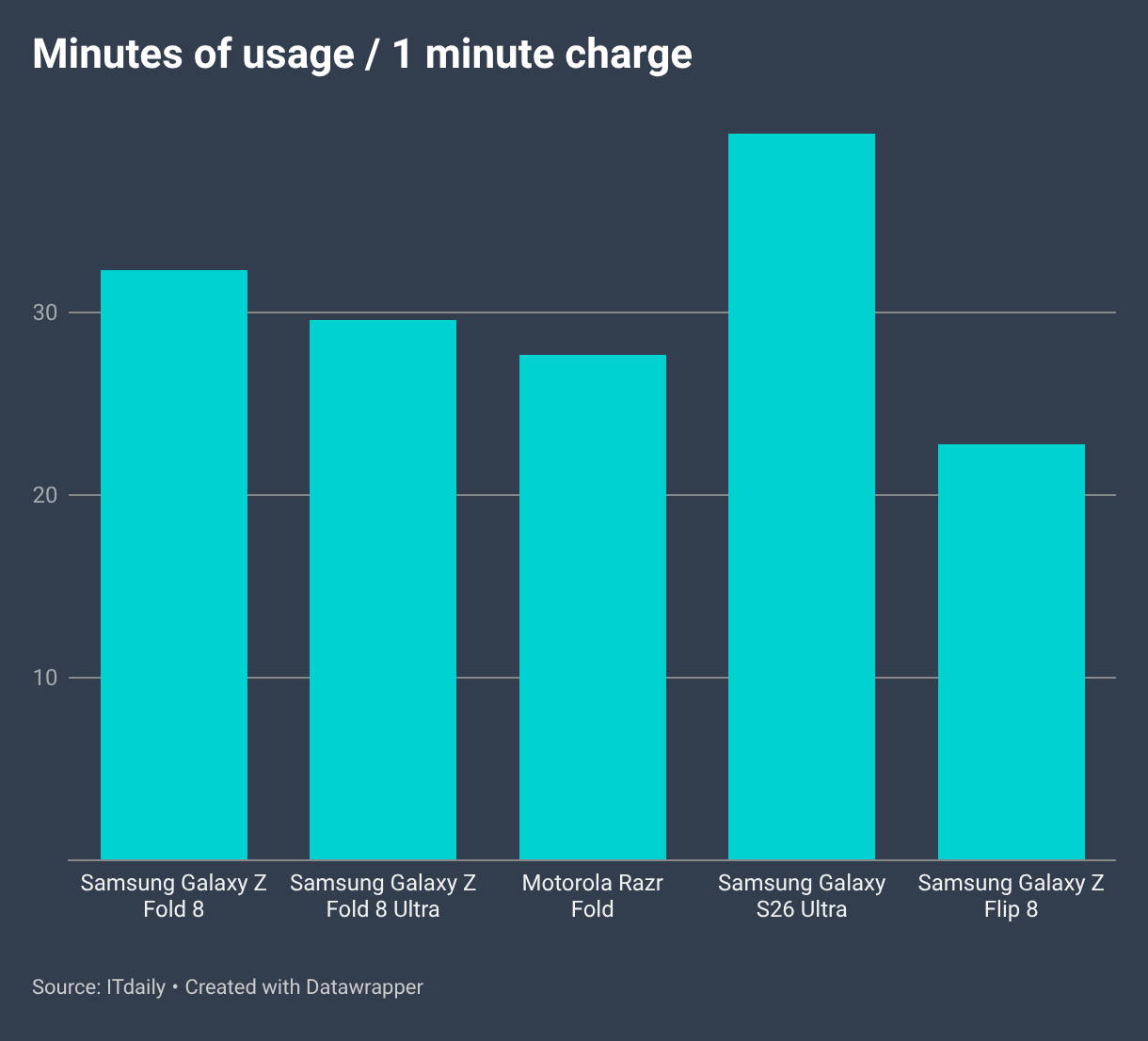
It could certainly be faster, but for daily use, this is comfortable enough for those who charge their phone at the breakfast table in the morning instead of all night long.
Conclusion
Foldable phones could previously only charm us in the Flip variant, because you gain space and when unfolded you get a standard smartphone format. The Samsung Galaxy Z Fold 8 (from 1,999 euros incl. VAT) is the first Fold variant that excites us. The fact that the phone is guaranteed to receive seven years of Android updates and security updates is the icing on the cake. That is a nice bonus, provided that dust or sand does not break the device during that period. The device is IP48 certified: waterproof, but absolutely not dustproof.
The only blemish on its reputation is the subpar cameras. Given the budget you are spending, you should expect much more. Furthermore, the lack of an optical zoom is a dealbreaker.
With the cameras of the Fold 8 Ultra on board, the Fold 8 with its passport format would be a no-brainer among foldable phones. Today, however, it is not, meaning you must decide for yourself how much camera quality and camera flexibility weigh in your decision.
Pros
- Handy and compact passport format
- Excellent battery life
- Thin and light
- 7 years of Android updates and security updates
Cons
- Camera island and passport format make this phone unstable on a table
- No camera with optical zoom
The Samsung Galaxy Z Fold 8 has a suggested retail price of 1,999 euros for the version with 256 GB storage and 12 GB RAM. The top model with 1 TB storage and 16 GB RAM costs 2,599 euros. Both prices include VAT. The phone is available in three colors: lavender, graphite, and beige. Samsung applies the standard consumer warranty of two years. Android updates and security updates are guaranteed for 7 years, starting from August 7, 2026.