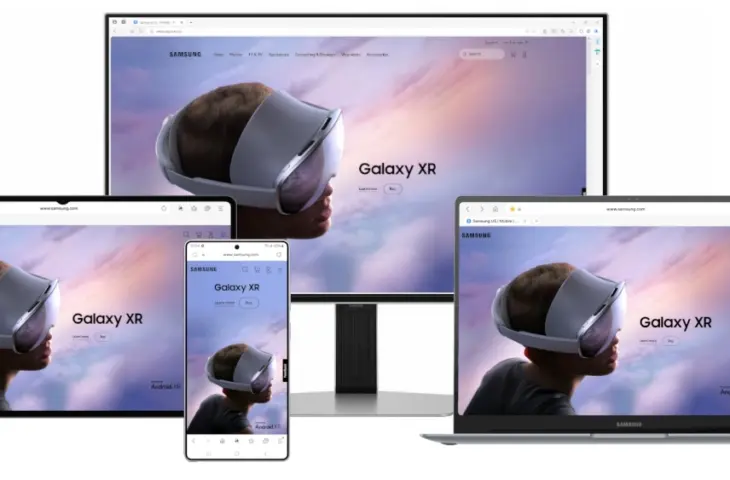
Samsung launches a Windows version of its own internet browser, which is installed on the manufacturer’s smartphones. With this, the company hopes to draw users deeper into its own ecosystem.
Samsung launches a beta version of its mobile browser for Windows on the desktop. Samsung Internet for PC—as the browser is called—aims to provide a connected experience for Samsung customers who already choose the company’s application on their tablet or smartphone.
AI Browser
Samsung sees the AI hype as the perfect moment to launch its browser in the market. The company has big plans: “In the future, the capabilities of Samsung Internet will determine how users interact with the web,” says Won-Joon Choi, Chief Operating Officer of the Mobile eXperience Business at Samsung. “This will evolve a PC browser that waits for input into an integrated AI platform that understands users and protects personal data at every level.”
In other words, Samsung is jumping on the bandwagon of so-called AI browsers that are suddenly popping up everywhere. For instance,
Integration with Samsung
More important than the AI claims is the integration with Samsung’s mobile ecosystem. Samsung Internet for PC will bridge the gap between mobile and desktop. Users can synchronize their data such as bookmarks and history. Of course, those using Edge, Chrome, Firefox, or another browser on mobile and desktop can already do this. The browser will also be connected to Samsung’s other cloud-based services.
Samsung also points to the integration of privacy functionality through a privacy dashboard and blocking of web trackers. You can find this functionality in many other browsers as well.
The browser is based on Chromium, just like Edge, Chrome, Brave, and almost all other browsers except Firefox. At first glance, Samsung doesn’t seem to bring much new to the browser world, except for the integration with the Samsung ecosystem. Those who are attached to their Galaxy smartphone and use Samsung Internet on it might be waiting for this. Moreover, Samsung also has its own computers on the market under the name Galaxy Book, making the integration even more relevant.
At the moment, the beta program is only available in South Korea and the US. It is unclear when the browser will come to the rest of the world.