

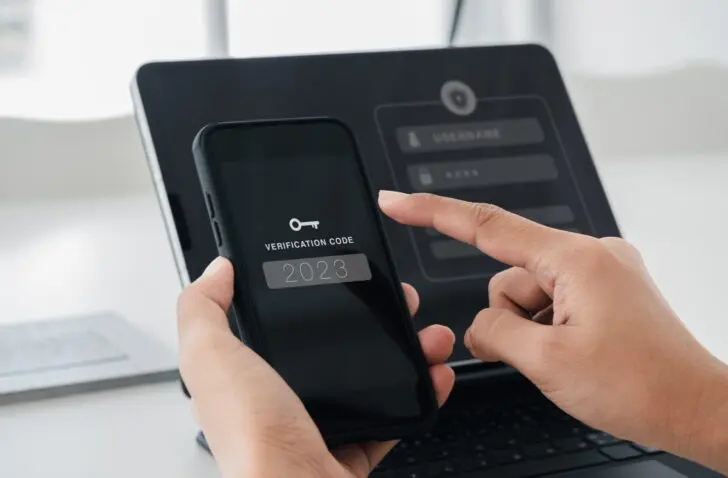
Researchers at Oasis Security managed to bypass MFA security in Microsoft Azure. Millions of accounts were unknowingly susceptible to intrusions.
Enabling MFA is (rightly) considered good practice in IT security. Yet MFA is not 100 percent foolproof either, especially when the software vendor does not offer it following the rules. Researchers at Oasis Security came to that conclusion when they examined Microsoft Azure’s MFA security.
The researchers discovered a critical vulnerability discovered in the MFA implementation. This vulnerability basically allowed attackers to bypass MFA security and gain unauthorized access to accounts, including emails in Outlook, files in OneDrive, conversations in Teams and Azure Cloud. Microsoft has since rolled out a permanent solution. For several months, MFA has been mandatory for all Azure customers.
Two errors
According to Oasis Security, Microsoft made two crucial mistakes. First, it lacked a limit on the number of failed attempts per session. An MFA login process requires a user to enter a six-digit verification code after entering email and password. Researchers discovered that multiple sessions could be created in rapid succession, allowing a large number of codes to be tested. This increased the likelihood of success without warnings to the account owner.
An additional problem was that authentication codes, which are normally valid for only 30 seconds, were still accepted at Microsoft up to three minutes after they were generated. This gave attackers extra time to guess the correct code. In less than 70 minutes, there was more than a 50 percent chance of a successful attack.
Oasis Security reported the vulnerability in June 2024. Microsoft quickly responded with a temporary fix in July and implemented a permanent fix in October. The update adds a strict limit on the number of attempts allowed, which prevents brute-force attacks.
This is not the first time Microsoft has been taken to task for inadequate MFA security. Two years ago, Google subsidiary Mandiant already exposed a damaging vulnerability. Microsoft apparently intervenes only when a flaw is pointed out to it.
Recommendations
Although the study identifies a vulnerability in MFA, Oasis Security researchers still recommend enabling it whenever possible. A few additional measures will make your accounts virtually foolproof:
- Enable MFA: Use authentication apps or stronger methods such as passwordless authentication.
- Monitor failed MFA attempts: Set a notification for failed second-factor attempts to quickly detect suspicious activity.
- Check for leaked login credentials: Change passwords regularly to reduce the impact of stolen login credentials.