

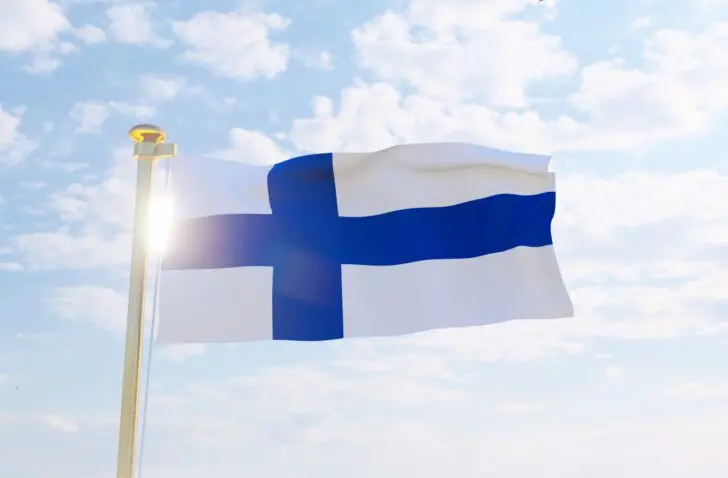
SMEs and individuals in Finland prioritize sovereignty the most. In other European countries, awareness is growing, but autonomy remains a challenging ideal to achieve.
In which European country is digital independence the greatest? Now that sovereignty is a popular theme in Europe, open-source software company Nextcloud ventures an answer to this question. The result is the first version of the “digital sovereignty index”, which ranks countries based on the use of self-hosted software infrastructure.
Based on this ranking, Finland can call itself the first European champion in digital sovereignty. Germany and the Netherlands also make it to the podium. Belgium, the United Kingdom, Italy, Spain, and Denmark fall below the European average.
Complex Formula
The analysis by Nextcloud requires some nuance. Nextcloud takes the use of self-hosted software infrastructure as a measure of sovereignty. This already differs from the definition of the European Union, which also considers the use of purely European cloud solutions as sovereign.
Another aspect is the complex calculation used by Nextcloud. The company first literally counted the number of self-hosted solutions, from file hosting to project management. Then, the number of visible implementations was converted into a ratio per 100,000 inhabitants, to minimize the impact of population size.
Thus, the index by Nextcloud is at most relative and compares countries with each other. Only visible installations were taken into account. The index says more about the behavior of SMEs and individuals than large companies and governments, the company itself admits.
Finland Leads, Belgium Lags Behind
Now that you understand the higher mathematics behind the index, we can dive deeper into the results. Finland receives the highest score from NextCloud (64.30). The Scandinavian country stands alone at the top in Europe: Germany and the Netherlands follow with respective scores of 53.85 and 36.62. According to Nextcloud, there is awareness of sovereignty in our neighboring countries, but dependence on foreign technology remains high.
Where there are leaders, there are also laggards. Overall, the sovereignty score is low in Europe: the European average is 16.31. Several countries fall well below that mark, including Belgium with a score of 7.15. Denmark and Italy fare even worse with 6.5.
If the study teaches us anything, it is that sovereignty sounds good on paper, but translating it into practice is difficult. American technology companies have a more than firm foothold in the European IT landscape and will not easily give up that position. They also offer sovereign solutions, but Microsoft recently admitted that this is more of an empty promise.