

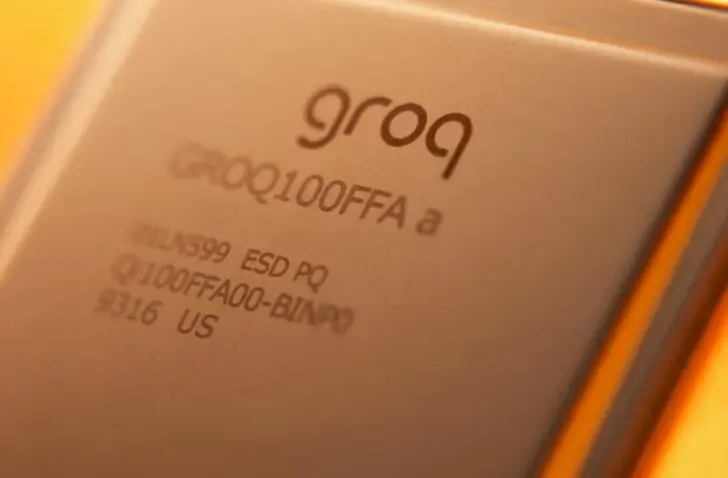
Two former employees are launching a lawsuit against the licensing deal between Groq and Nvidia, claiming they received insufficient compensation.
In 2025, Groq and Nvidia signed a ‘non-exclusive’ licensing deal for $20 billion. The deal, which closely resembles a disguised acquisition, is now gradually meeting resistance. This includes internal opposition, as two former Groq engineers are taking the matter to court.
The deal consists of two parts. Nvidia paid $17 billion to obtain licenses for Groq’s chip technology. A $3 billion ‘bonus’ was added by Nvidia to recruit the startup’s top talent, including founder Jonathan Ross.
Empty shell
Although $20 billion sounds like a significant amount, the former employees, who held shares in Groq, feel they have been left with an empty shell. The plaintiffs believe Groq’s management was too easily swayed by Nvidia’s billions.
While they did receive a payout, it did not account for the future added value of the licensed technology. “Groq has amassed billions of dollars in benefits for itself, top management, and affiliated funds, which they have not shared with the other shareholders.”
Groq disagrees and counters that it has created ‘exceptional value’ by partnering with Nvidia. Speaking to the Financial Times, the company stated it will defend itself vigorously in court.
Disguised acquisition
Unsurprisingly, the deal between Groq and Nvidia is also drawing the attention of regulators. In September, the U.S. market regulator launched an investigation into whether this is a well-camouflaged acquisition. The fact that nearly the entire workforce moved to Nvidia raises that very question.
In theory, it is a non-exclusive deal that allows other companies to use Groq’s technology. Groq develops so-called LPUs, which enable inference at a lower cost than Nvidia’s GPUs. For external companies wishing to use Groq’s chips, it will be nearly impossible to avoid going through Nvidia. With this deal, Nvidia has effectively silenced a potentially dangerous competitor.
The deal fits perfectly into Nvidia’s strategy of using large sums of money to secure interesting AI startups. In exchange for billions of dollars, these companies pledge loyalty to Nvidia, which continues to strengthen its grip on the AI ecosystem through one acquisition after another.