

Flemish SMEs are showing interest in AI, but only a few have implemented it structurally. This is according to a survey of 300 SMEs conducted by Teamleader.
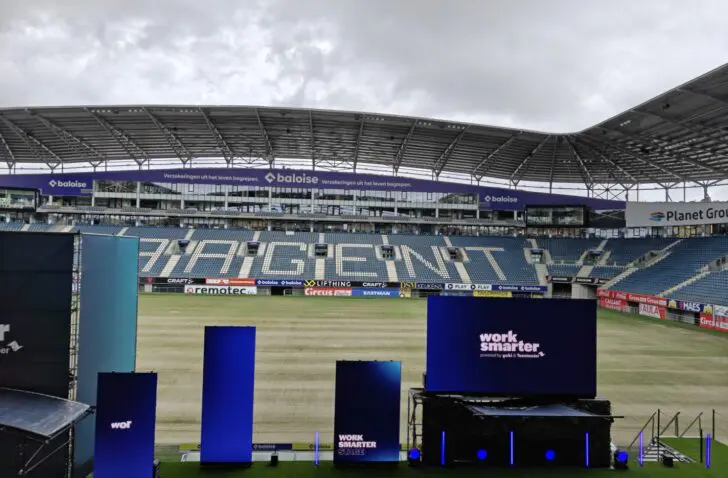
During the Work Smarter event in Ghent, Teamleader is presenting the results of a survey among 297 SMEs of various sizes. These results show a clear divide in how SMEs handle AI. The willingness is there, but there is a lack of clear policy and truly impactful implementations.
Strong belief, limited use
Teamleader first notes that SMEs certainly see the potential of AI technology. 52 percent view the technology as an opportunity for the organization, and nearly half expect AI to boost revenue. Generally, the larger the organization, the higher the belief in AI and the extent to which it is already being used.
There is no lack of goodwill, but for now, that is often where it ends. In SMEs, AI is frequently used on a personal level. Employees use it to increase their own productivity, but a formal policy is often missing. In six out of ten surveyed organizations, everyone just does as they please. Only one in seven SMEs has already structurally integrated AI into its operations. Manual processes, such as Excel, remain the norm for more than seventy percent of SMEs.
Writing assistant
The lack of a structural framework around AI ensures that its impact remains limited. Most SME employees use AI as a ‘writing assistant’ for drafting, editing, and translating texts. Only four out of ten SMEs use AI for decision-making.
Other ‘blind spots’ highlighted by Teamleader in AI usage include recruitment (14%), invoice processing (18%), and customer service (20%). According to Teamleader, these are precisely the areas where AI could have a major impact. Time savings are cited as one of the drivers for deploying AI, although actual time savings are hardly ever measured.
The study digs deeper into why AI is not yet widely deployed across the Flemish SME landscape. Money or fear of job losses are not the issue: only four percent see AI as a potential ‘job killer’. A lack of internal knowledge is the biggest obstacle (35%), though one in four SMEs harbors concerns regarding privacy and security.
Teamleader concludes that the support for AI is not yet sufficiently translated into concrete, impactful implementations. 54 percent indicate they do not know where to start. Without a clear framework, there is no one to lead the organization forward.