No computer is more environmentally friendly to manufacture than one that no longer needs to be manufactured. With that in mind, Lenovo has developed an extensive European refurbishment program, in which written-off laptops are key to CO2 reduction and ESG reporting.
A year of testing preceded it, but last fall Lenovo officially launched its Lenovo Certified Refurbished program. “After a pilot program in France, Denmark, the UK and Germany, we have now rolled out the solution to fourteen European countries, including the Netherlands and Belgium,” says Robbert Tan.
Tan has been working at Lenovo Benelux for the Solution and Services group for five years. The Lenovo Certified Refurbished program falls under that division and builds on some foundations that Lenovo laid years ago.
European focus
“In Europe, you see more and more focus on sustainability,” Tan notes. “The market is asking for refurbished devices. That demand was already there a few years ago, but to be able to launch a program on this scale, you need an incubation period.”
Lenovo has been working on the program in recent years, strengthened by European regulations such as the Green Deal. “The government’s rules are a catalyst for the greening trend, which was already present,” Tan notes.
The government’s rules are a catalyst for the greening trend, which was already present.
Robbert Tan, Lenovo
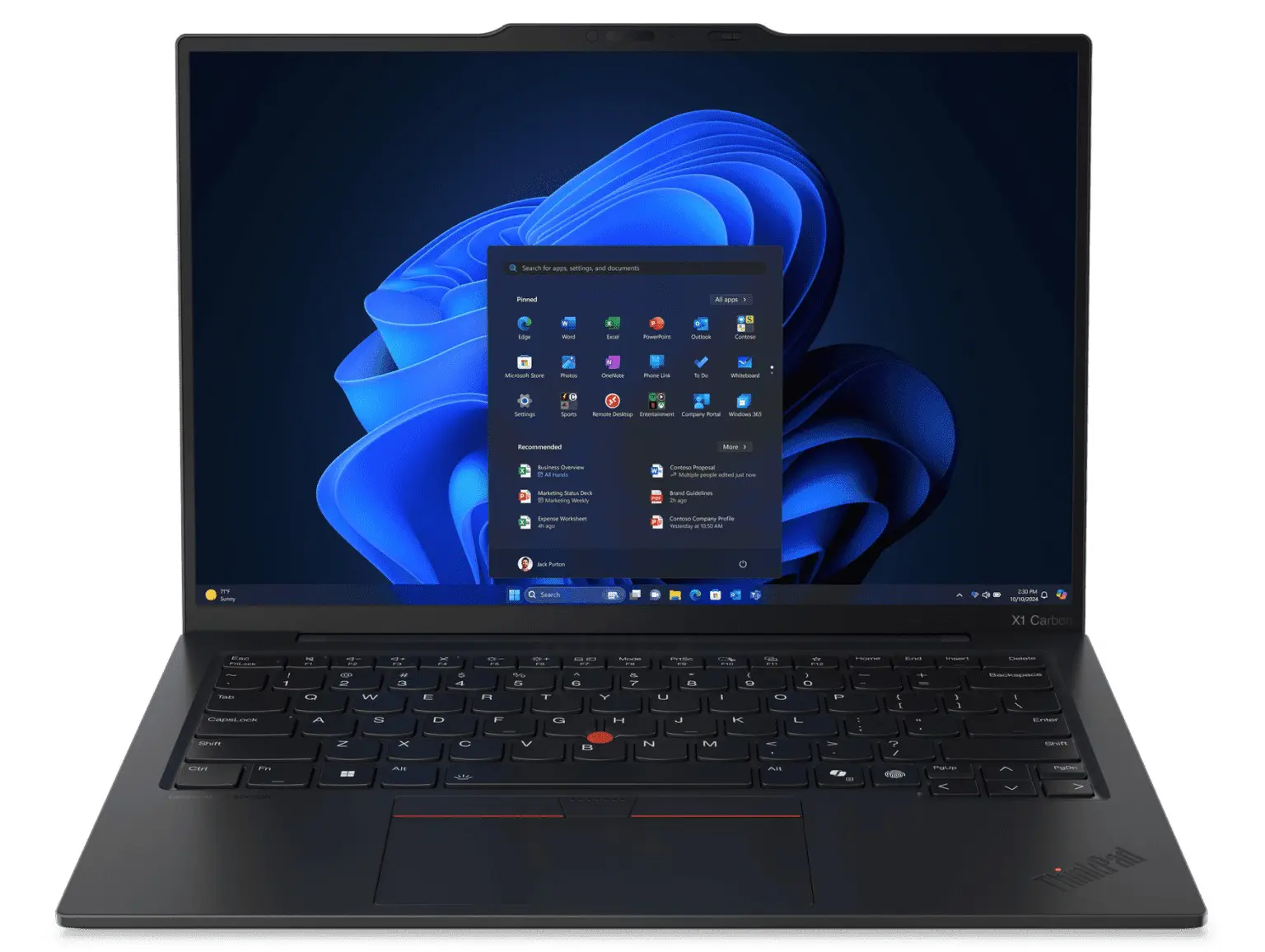
At the moment, the Lenovo Certified Refurbished program is still fresh. Lenovo focuses specifically on more high-end laptops, including devices from the ThinkPad X, T and L families. These are high-performance business devices, which usually have a lot of life left in them after they have been written off economically.
Self-collection
Lenovo proactively approaches customers to collect devices to give them a second life. This is done via the Asset Recovery Services. Tan: “We were already present at customers with that service to retrieve devices for recycling. Now, our people are also proactively asking existing customers to collect devices for reuse. This ensures that there is sufficient inflow for the refurbished range.”
With the Asset Recovery Services, Lenovo already has a logistics system to retrieve devices from customers. The step towards reuse is not that big, although it goes without saying that initial owners of the devices must agree to this. To this end, Lenovo has two incentives.
Safely erased
Tan clarifies: “When Lenovo collects devices, it does so according to our secure processes. The storage of devices is erased in accordance with the American NIST rules and organizations receive a certificate of this. At the end of the refurbishment process, we report on the sustainability impact. Companies can use this information in their own internal or external ESG reporting.”
There is also a financial aspect, Tan notes. “The devices we collect have a certain residual value. We pay that out to the customer.”
Portal central
Customers who subscribe to the Lenovo Certified Refurbished program gain access to a portal. From there, they can immediately view the relevant reports on the impact. The portal also allows new devices to be registered for collection. Once an organization is on board as a supplier of devices for reuse, there is very little friction to register new laptops.
Reuse via DaaS
Devices ripe for reuse also end up in the program in another way. Lenovo has a Device-as-a-Service (DaaS) offering, where companies get a laptop for a monthly fee. With such a subscription formula, Lenovo remains the owner of the laptop. After the initial lifespan, these devices can also be reused.
Checked and replaced
Refurbishing itself is done by Lenovo or certified partners. Lenovo has several sites in Europe where devices are prepared for reuse, although the actual refurbishing does not take place in the Benelux.
read also
Old laptop, new warranty: How does Lenovo’s new refurbished program work?
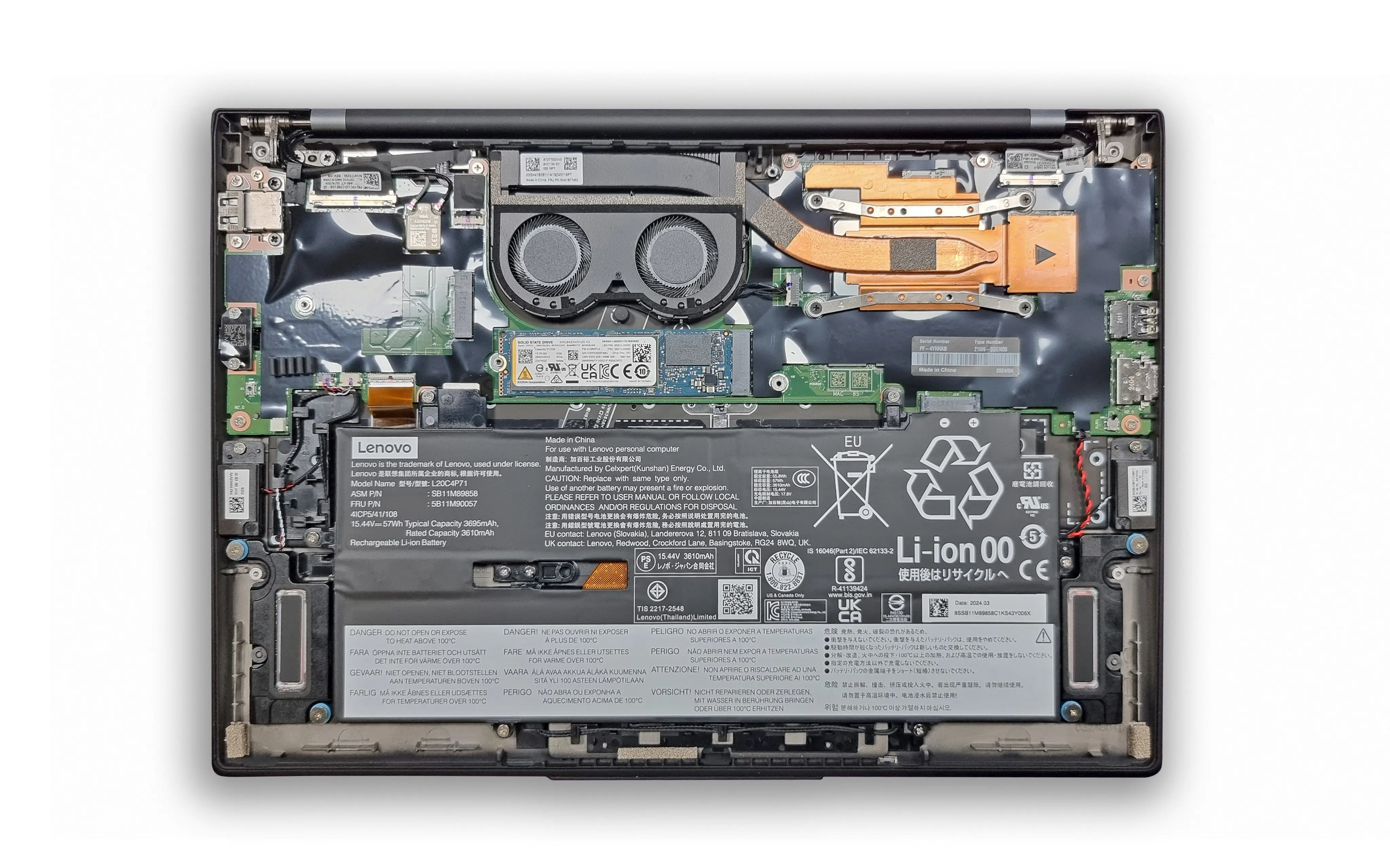
During the refurbishment process, the devices are fully checked. When necessary, components are replaced. Keyboards can be adjusted and reprinted, so that a laptop from one European country can also be resold in another.
3 grades
Some laptops inevitably have signs of use after years of faithful service. Lenovo therefore works with three grades, which it will consistently maintain in its Lenovo Certified Refurbished program. “We distinguish between the grades Premium, Good and Standard,” says Tan. “Premium stands for as good as new. With Good there are minor signs of use and with Standard you will find normal signs of use.” The grades only relate to the cosmetic aspect, he emphasizes. “All devices are one hundred percent functional and come with a warranty.” Customers can enjoy up to three years of warranty, similar to brand new devices.
Not too old
Not all devices are suitable for reuse. Tan already indicated that the Lenovo Certified Refurbished program currently only includes a limited number of laptop models. Moreover, they must not be too old. “As a rule, we only look at devices less than five years old for refurbishment,” he notes.
read also
Old laptop, new warranty: How does Lenovo’s new refurbished program work?
That is also necessary: due to the artificially strict system requirements that Microsoft imposes for Windows 11, older systems cannot get the update from the now unsupported Windows 10. Refurbishing such systems therefore makes no sense.
What about AI?
The program is somewhat at odds with the messaging from the marketing department of Lenovo and other PC manufacturers. They are shouting from the rooftops that a so-called ‘AI PC’, with a special sub-processor suitable for light AI tasks (the NPU), is the future. The AI hype is fairly new, so refurbished devices do not contain an NPU. However, that does not seem to stand in the way of the program.

“We have to look at the needs of every customer,” says Tan. “There are plenty of organizations or user groups that do not need an NPU at the moment. Then you can perfectly work with a refurbished device.” That may change in the future, but the refurbished program will grow with it and will eventually also offer NPU-equipped computers.
20 percent less CO2
With the launch of the Lenovo Certified Refurbished program in fourteen European countries, Lenovo has taken an important step in a direction it wants to continue to follow. After all, the benefits of reuse for recycling are great. Tan can quantify that. “If you can extend the lifespan of one device by thirty percent, you will achieve a CO2 saving of twenty percent. You can achieve this by using your devices for longer yourself, but also by giving them a second life through refurbishment.”
If you can extend the lifespan of one device by thirty percent, you will achieve a CO2 saving of twenty percent.
Robbert Tan, Lenovo
The demand for refurbished is clearly present in the market, even though Lenovo is only at the beginning phase with the program. “The public sector is interested,” concludes Tan, in addition to sectors such as education and NGOs. But also in the B2B segment you see that organizations attach great value to sustainability.