

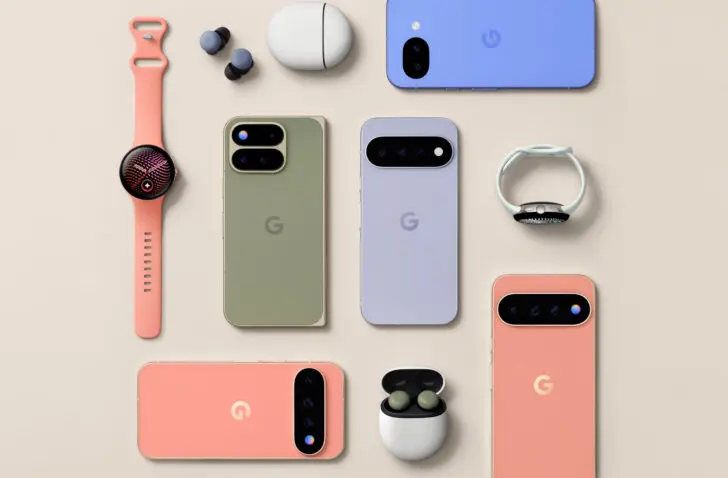
Google introduces the new Pixel 11 series in four variations: Pixel 11, Pixel 11 Pro, Pixel 11 Pro XL, and Pixel 11 Pro Fold. All are powered by the new Tensor G6 and Android 17. Those familiar with last year’s Pixel 10 series will recognize a lot: the real innovation must once again come from AI software.
One year after the Pixel 10, the next series arrives under the expected name Pixel 11. The lineup remains identical: a 6.3-inch Pixel 11, an equally sized Pro variant, a 6.8-inch Pro XL, and a foldable Pro Fold. Everything looks very familiar and is almost identical, except for the redesigned camera bar. It is also identical to before, with the exception of some RGB LEDs in the area where a flash is traditionally located.
This allows you to link colors to notifications, somewhat like Nothing does with the LEDs on the back of its devices. The useful thing here is that regardless of which case you choose, you always see the LED. That is not the case with Nothing phones.
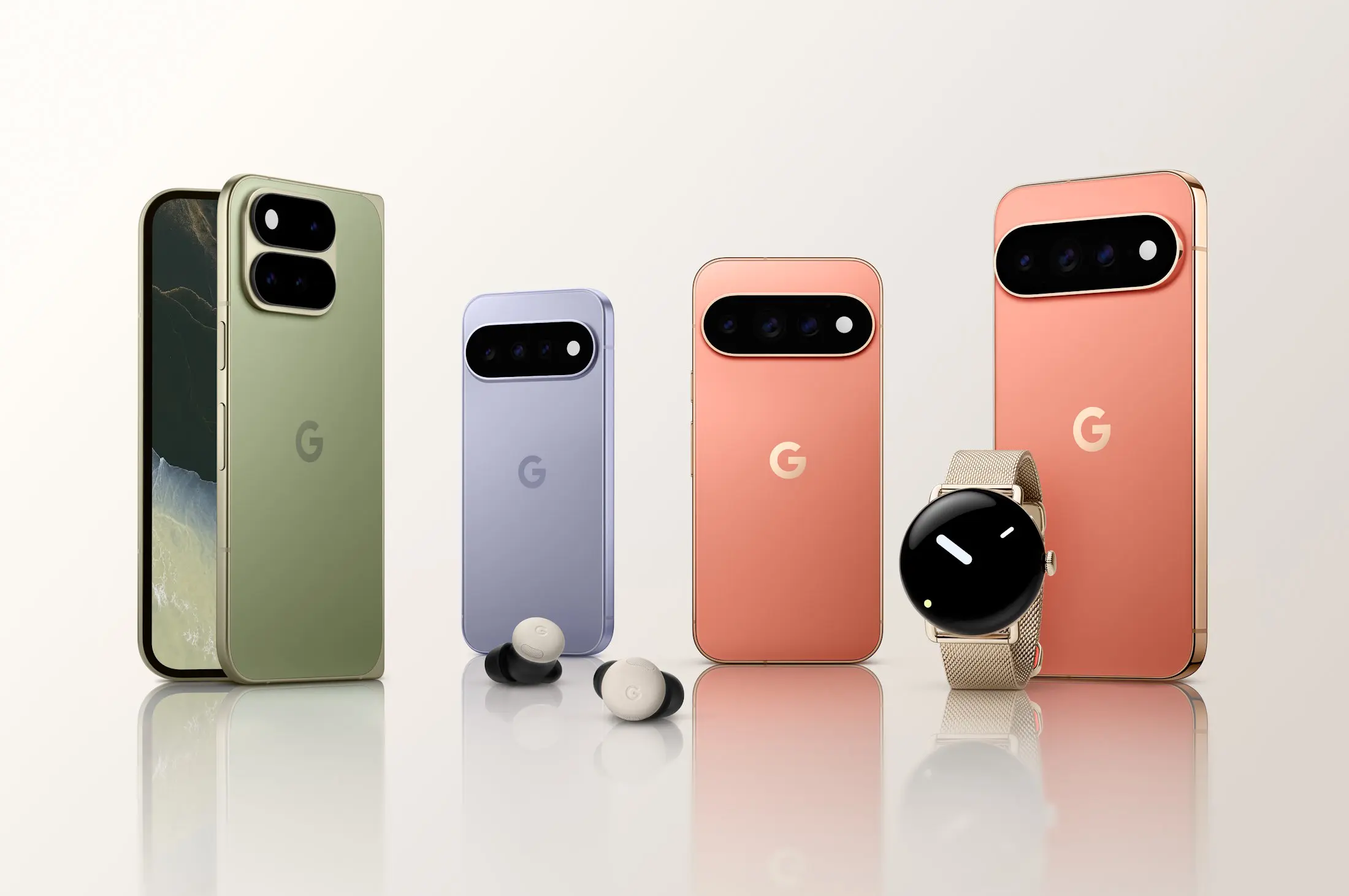
Under the hood, the latest Tensor G6 chip is used throughout, flanked by a new Titan M3 security chip with what is claimed to be a quantum-safe secure boot. It sounds impressive, although Google traditionally remains vague about raw processing power. Tensor has never excelled in benchmarks in the past, and we expect the same here. Google markets the chip more as an AI engine.
Base or Pro (XL)?
The Pixel 11 features a 6.3-inch screen that peaks at 3,000 nits: exactly the same as the Pixel 10. The Pro models go from 3,300 to 3,600 nits, a modest increase that may only be noticeable in direct sunlight.
More frustrating is that the base model is again intentionally throttled: 60-120 Hz instead of the efficient LTPO panel (1-120 Hz) from the Pro models, Wi-Fi 6E where the Pros get Wi-Fi 7, and 12 GB RAM compared to a maximum of 16 GB. We saw the same segmentation last year. The Google Pixel 10 is available in four colors:
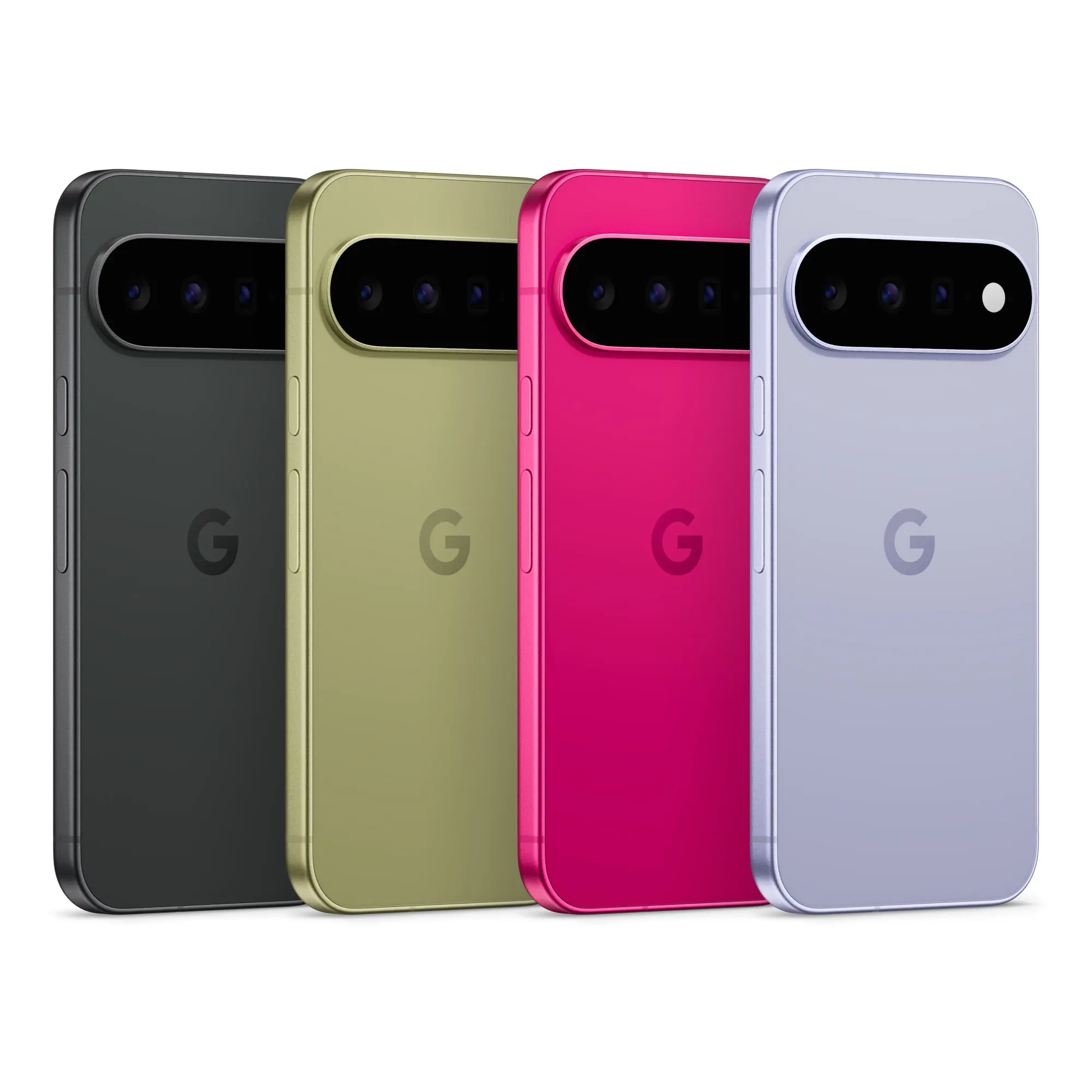
The camera hardware seems largely carried over from the Pixel 10 generation: 48 MP main sensor on the Pixel 11, and the 50 MP + 48 MP + 48 MP trio on the Pros, with a 5x telephoto lens and 120x Pro Zoom. New is 8K video on the Pro models, although this happens via Video Boost and therefore partly in the cloud. The selfie camera on the Pros remains stuck at 42 MP.
Progress is mainly in software: Magic Capture, Camera Coach, and yet another generation of image processing.
The Google Pixel 11 Pro series (both the regular and the XL version) is available in four colors:
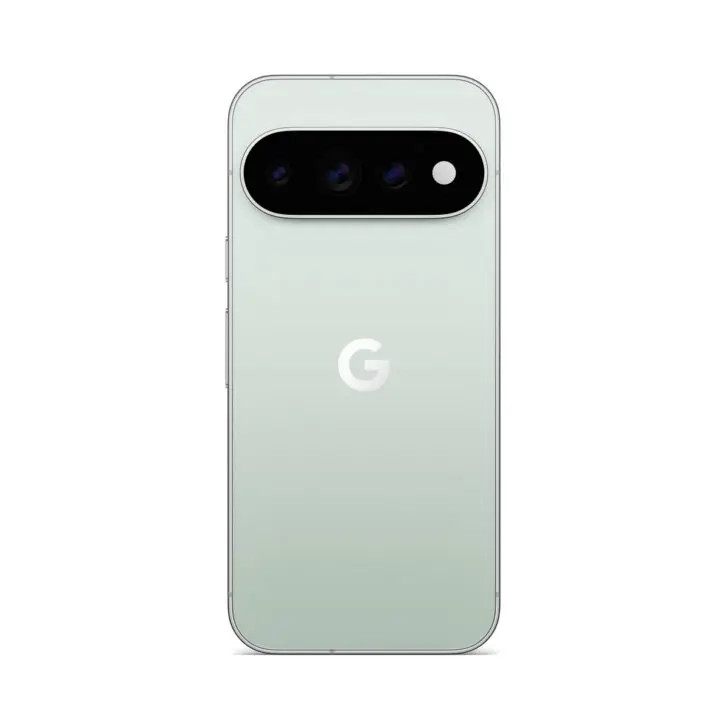
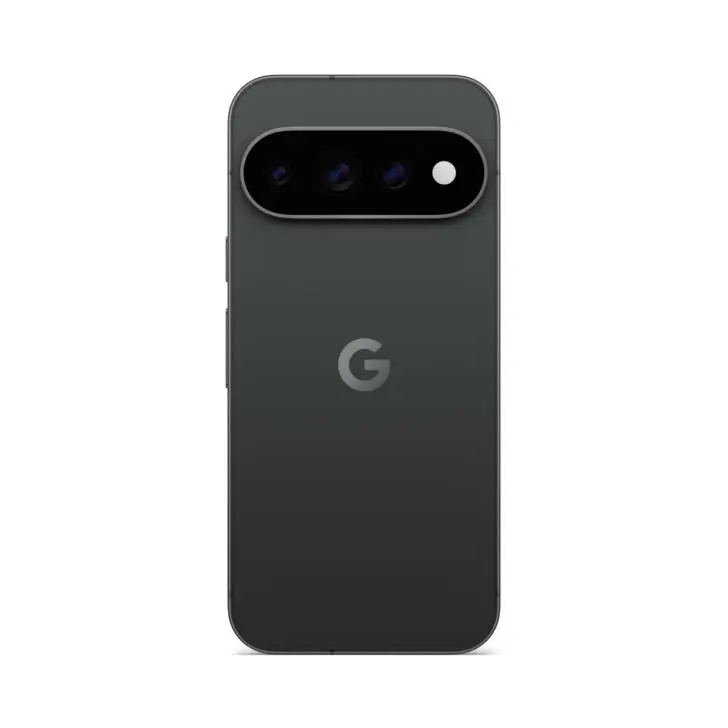

Pro Fold: thinner and lighter, but smaller battery
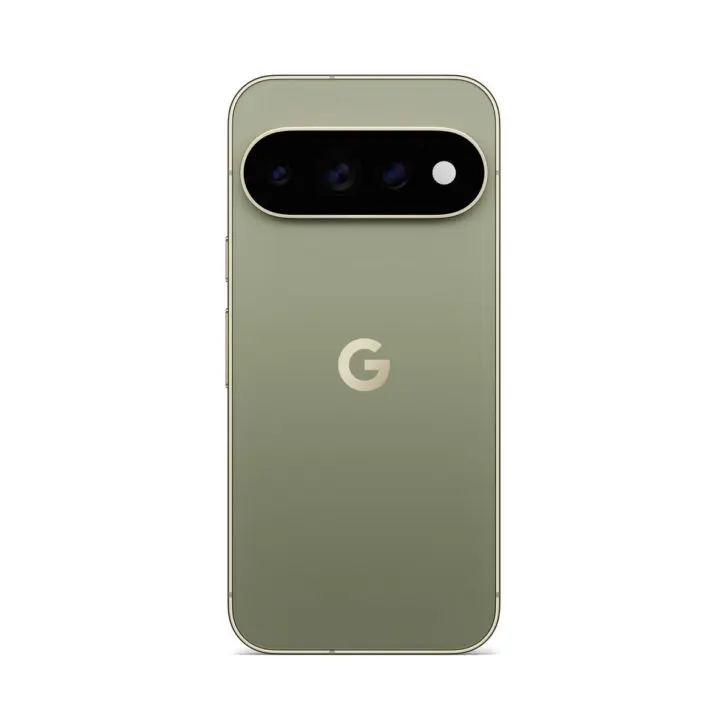
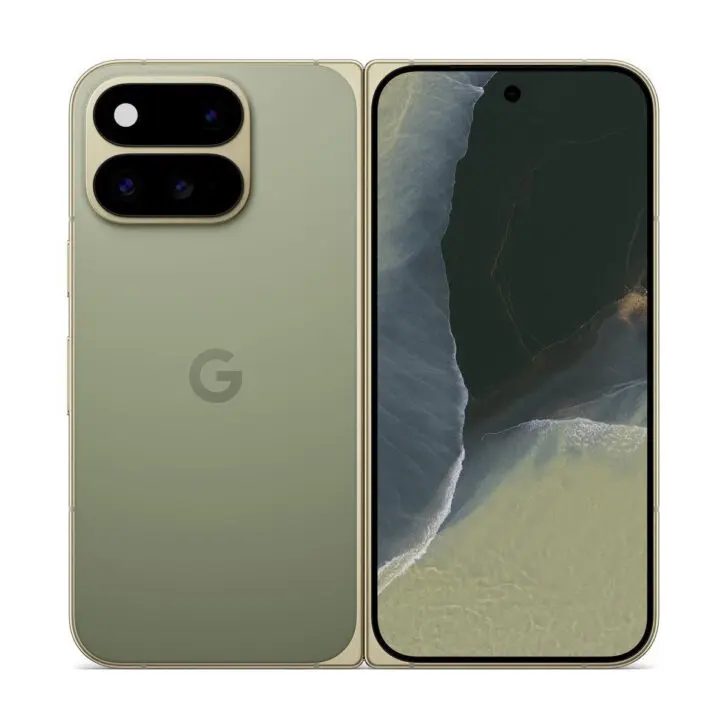
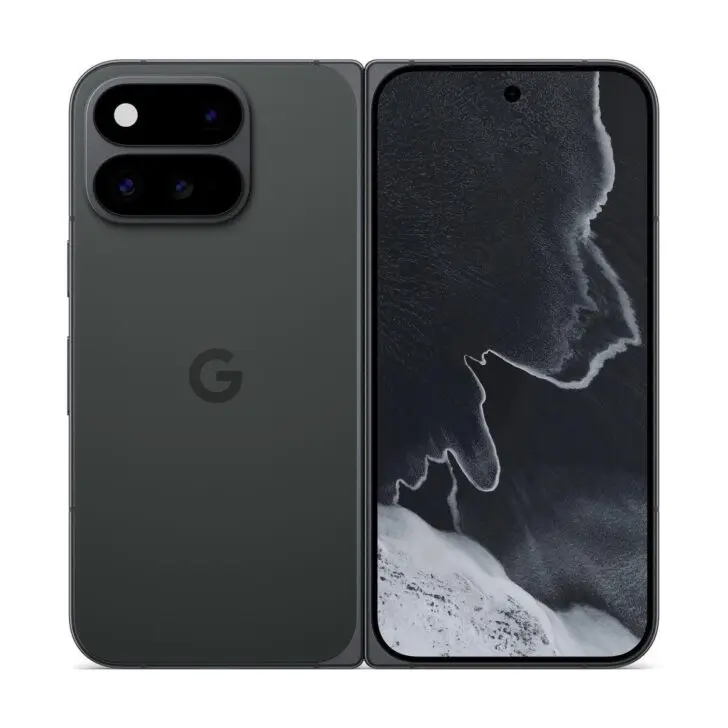
On paper, the Pixel 11 Pro Fold has changed the most in terms of hardware among the four. The outer screen grows to 6.5 inches, the inner screen remains 8 inches but becomes 20 percent brighter (3,600 nits) according to Google. Unfolded, the device measures barely 5 millimeters and at 239 grams, it is noticeably lighter than its predecessor.
That slimming down comes at a price: the battery shrinks to 4,750 mAh and Google now promises only 24+ hours, whereas the regular models achieve 30+ hours. The cameras also remain a compromise: a 48 MP main sensor, but a modest 10.5 MP ultra-wide angle and 10.8 MP telephoto lens, plus 10 MP selfie cameras. Those who buy a foldable for over 1,800 euros still do not get the camera of an 1,100 euro Pro. The ‘ultra-durable’ glass-ceramic cover and steel hinge are intended to alleviate durability concerns, and 8K video is completely absent here. The device is available in two colors:
The batteries of the regular models are growing slightly. The Pro XL now charges to 75 percent in half an hour with a 45W charger, while the Fold has to settle for 50 percent in thirty minutes. Wirelessly, the entire series goes to 25 watts via Pixelsnap (Qi2.2), whereas the regular Pixel 10 stayed at 15 watts. A charger is not included in the box, as is standard today for almost every premium device.
Gemini Intelligence (light)
The real selling point is called Gemini Intelligence: Magic Cue, proactive suggestions, speech-to-text, and even sign-language-to-text via the camera. Buyers of a Pro model receive six months of Google AI Pro for free, worth 131.94 euros according to Google. It is a convenient way to normalize a subscription model. Furthermore, the footnotes reveal that many features remain limited to the US, Japan, and English-speaking markets at launch. Anyone buying a Pixel 11 in Belgium is therefore paying for AI promises that will only land in Dutch later (or never).
Seven years of guaranteed Android updates and security updates remains a strong asset. The Pixel 11 series is thus a solid but predictable evolution: anyone who owns a Pixel 10 does not need to lose sleep over this generation.
The Google Pixel 11 models will be available starting August 19, 2026. Prices are increasing by 100 euros compared to the Pixel 10. In exchange, the base capacity is being increased from 128 GB to 256 GB. In the margins, the search giant also announced the new Pixel Watch 5 and the Pixel Buds 2 Pro. For those who like working with trackers like an Apple AirTag, a Google Pixel Tag can now also be purchased. Same principle, compatible with Google Find Me.
- Pixel 11 (available in Frost, Hibiscus, Pistachio, Obsidian): From 999 euros
- Pixel 11 Pro (available in Canyon, Fog, Olive, Matte Obsidian): From 1,199 euros
- Pixel 11 Pro XL (available in Canyon, Fog, Olive, Matte Obsidian): From 1,399 euros
- Pixel 11 Pro Fold (available in Olive, Obsidian): From 1,999 euros
All prices include VAT.