

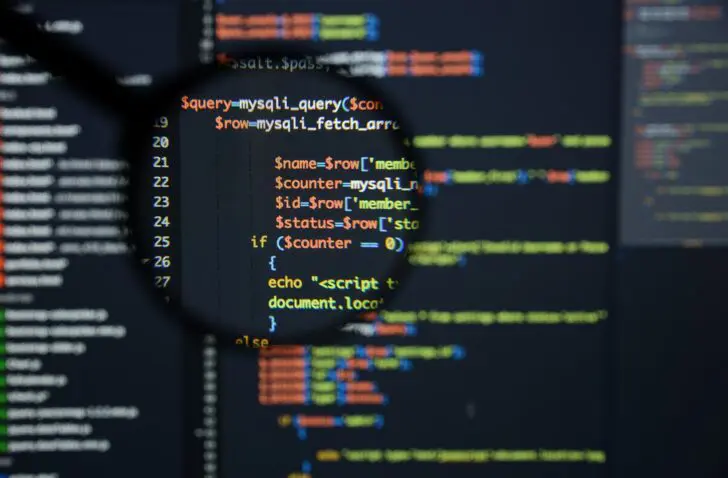
The PHP Foundation reflects on a turbulent day. While a massive massacre seems to have been avoided, the foundation felt caught off guard by the disclosure of the vulnerabilities.
Yesterday, two critical vulnerabilities, dubbed PHP2Shell, in the PHP programming language made global headlines. Worldwide, websites of government agencies, hospitals, and news media went offline preventatively. The PHP Foundation, the organization managing the language, released an emergency patch on October 21. In a blog post, it reflects on a turbulent day.
Two vulnerabilities in the core
What exactly happened? The first vulnerability, CVE-2026-109618, occurs when a request hits PHP’s memory limit at exactly the wrong moment. Incompletely initialized data is left behind and later used as valid. On Apache with mod_php, an unauthenticated request can trigger this, resulting in full remote code execution.
The second vulnerability, CVE-2026-109619, occurs during a fatal error that causes internal state to point to memory from a previous request. A subsequent request on the same worker can then use that freed memory. Remote code execution was also demonstrated here.
The vulnerabilities reside in memory management and error handling, components that nearly every request touches. This central role made the flaws serious and difficult to fix without damaging compatibility or performance.
Delayed patch
The PHP Foundation is facing criticism for how it handled the vulnerabilities. Reportedly, it had been aware for two years of at least one vulnerability but never patched it. In 2024, an audit by Quarkslab found the first signs of the memory issue. At the time, there was no known attack path, and other issues were prioritized. When the security team weighed the solutions, every option appeared detrimental to compatibility or performance.
In the blog post, the PHP project acknowledges that the delay was a structural failure, caused by both the decision-making process and a lack of resources. The Ecosystem Security Team has existed since May 2026, and decisions must now be made by majority vote. PHP is asking corporate users of the programming language to contribute financially to ensure vulnerabilities can be patched faster.
Clumsy disclosure
Yet the PHP Foundation does not believe it is the only party at fault. It also points an accusing finger at Chainguard, the company that blew the whistle yesterday. On Tuesday, October 20, the first reports about the vulnerabilities began circulating on forums and social media, featuring an incorrect release time and an equally incorrect CVSS score of 10 (the actual CVSS score, at 9.2, is still critical). Cloudflare observed the first attacks starting on October 21 and implemented a temporary emergency measure. As a result, PHP had to act faster.
Chainguard published unilaterally built images containing the fix more than six hours before the actual release. PHP2Shell promptly became global news, leading to a tense wait for the release of the official patch, which followed at 4:00 PM CET. The PHP project accuses Chainguard of breaking the embargo, undermining weeks of work by many parties.
Vincent Ginis, a professor in AI at the Vrije Universiteit Brussel (VUB), agrees. “The patch was disclosed to the world with a certain clumsiness. The period during which the vulnerability is public but not yet mitigated can be extremely dangerous,” he told vrtnws. Experts note that the time between the disclosure of a vulnerability and its exploitation has been drastically reduced, from months to just a few hours.
In a LinkedIn post, Chainguard CEO Dan Lorenc defends the decision. “Disclosure of these types of vulnerabilities is rarely flawless. Unfortunately, this is the new normal for the industry, and we will have to work together as one team to secure our critical infrastructure fast enough to prevent attackers from causing actual damage.” He apologized for the ‘extra stress’ caused to the PHP Foundation regarding the patch rollout.
Battlefield seems avoided
PHP powers a large portion of the web, from government services and web shops to banks and media sites. Yet the security work still rests on a few developers funded by the Foundation and some volunteers. The project calls on companies, hosting providers, and governments to contribute structurally to its maintenance.
Half a day after the patch rollout, a battlefield seems to have been avoided. To date, there have been no reports of large-scale PHP2Shell hacks. However, the clock continues to tick until every website using PHP has implemented the patch.
The race is only just beginning. PHP has eliminated the bug, but it is up to administrators to ensure they are running the latest version of PHP. Attackers will now be searching in large numbers for servers where the backdoor is still slightly ajar.