


Despite the billion-dollar investments from various companies, the memory shortage will continue to leave its mark for years to come.
The world is pumping hundreds of billions into the production of memory chips, but anyone who thinks the current shortage will be solved quickly is mistaken. While South Korea launches an extensive investment plan for new chip factories and SK Hynix raises extra capital via Nasdaq, the reality remains that building new capacity takes years, while demand today is already growing faster than supply.
AI swallows up memory production
The investments primarily show how strategic memory chips have become. AI has completely turned the market upside down. Where DRAM and NAND used to mainly power smartphones, laptops, and servers, AI accelerators are now swallowing up enormous amounts of high-bandwidth memory, or HBM. This type of memory has become one of the most significant bottlenecks for AI infrastructure. As a result, producers can no longer simply supply chips to all market segments. They must choose where their scarce production capacity yields the highest return.
That explains why South Korea, together with Samsung and SK Hynix, wants to see an unprecedented wave of investment happen. New factories, packaging facilities, and research centers are intended to secure the country’s dominant position in memory chips. At the same time, SK Hynix raised billions of dollars via Nasdaq. With this, the company aims to further expand its production and meet the growing demand for AI memory. This capital round underscores how expensive the race has become. Even market leaders constantly need new resources to keep up with demand.
New factories do not solve the shortage immediately
Yet more money does not automatically mean that more chips will be available in the short term. Building a modern memory factory takes several years. This is followed by a long startup period in which production processes are tested and optimized.
The capacity being announced today will only be available on a large scale later. The current shortage is therefore not solved by investments that will only fully pay off by the end of the decade. Additionally, demand continues to rise. Hyperscalers are investing massively in AI data centers, while enterprises are also increasingly building their own infrastructure for artificial intelligence. As long as that growth continues, it remains difficult for chip producers to create sufficient supply.
Budget smartphones pay the price
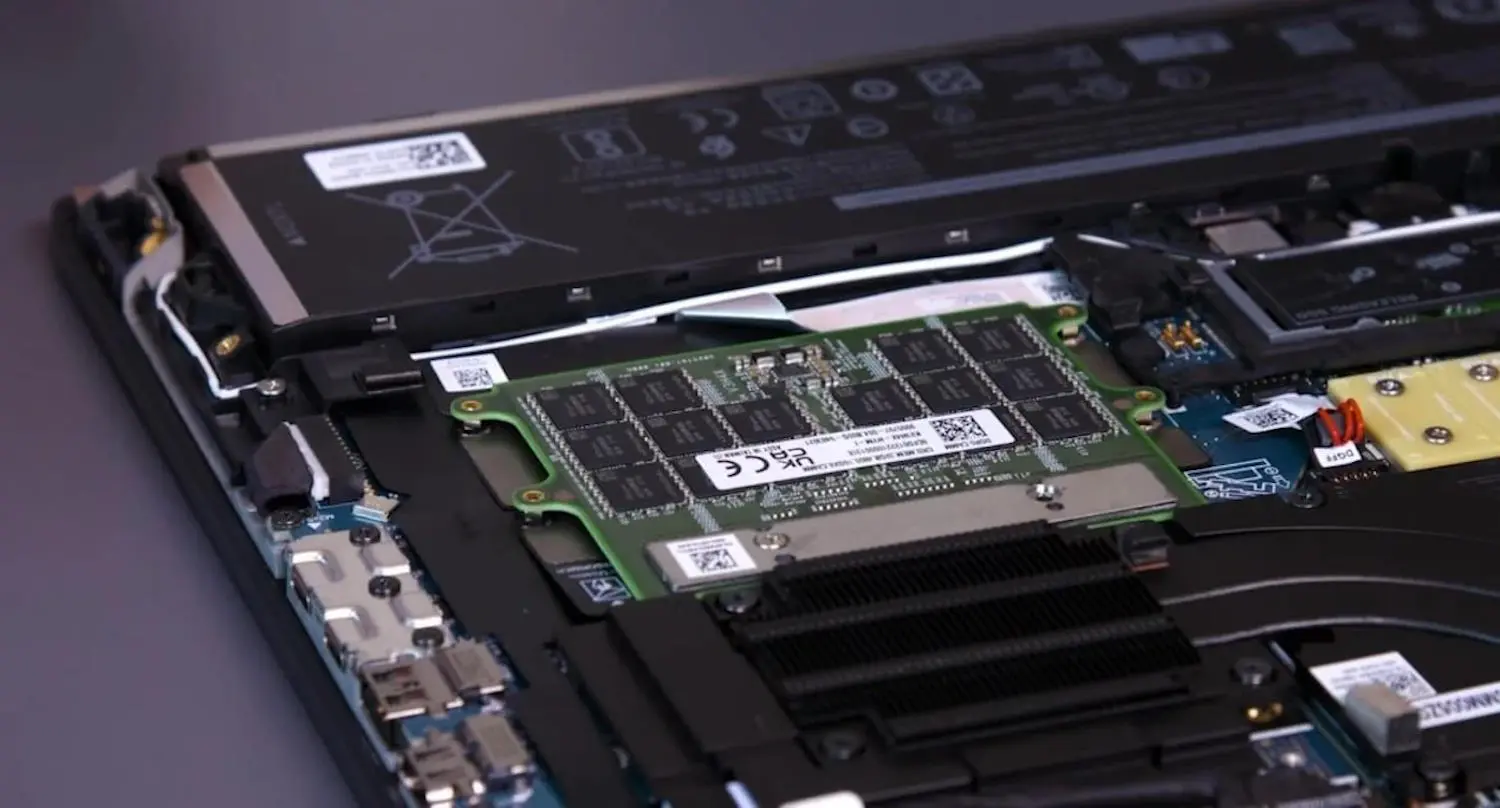
The consequences are also visible outside of data centers. Manufacturers prefer to allocate available memory chips to products with the highest margins. Premium servers, AI systems, and more expensive smartphones therefore get priority. Budget smartphones are increasingly finding themselves at the back of the line. Memory components are becoming more expensive and harder to obtain, leading manufacturers to focus on devices where more profit can be made. This makes cheap smartphones scarcer and can also increase prices in the lower market segment.
A structural problem
For businesses and consumers, this means that the current scarcity will not disappear quickly. The billion-dollar investments are necessary to meet future demand, but they barely solve the current capacity problem. On the contrary: they primarily highlight how large the gap has become between the explosive demand for AI hardware and the production capacity that will only become available in a few years.
The chip industry is investing more than ever, and yet everyone knows that the memory shortage is not a temporary incident. It is a structural consequence of the AI explosion, the impact of which will be felt for years to come.