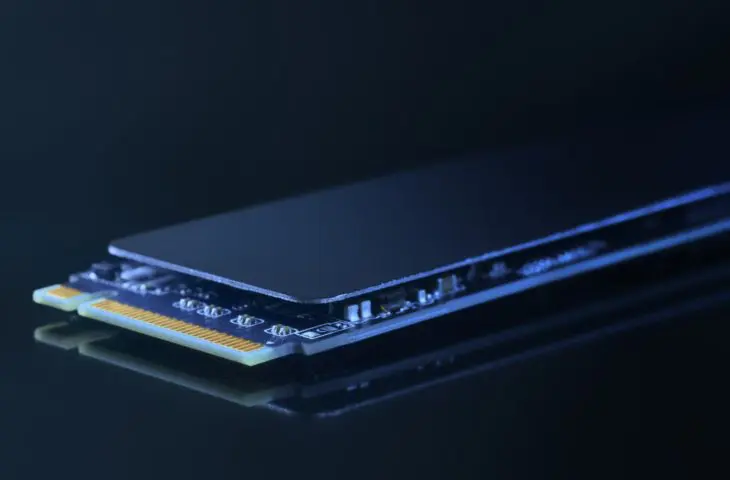
The AI boom is gradually making PC components unaffordable. After RAM and SSDs, HDDs also seem to be joining the fray.
Anyone looking for affordable storage in 2026 may soon be out of luck. The voracity of large AI companies seems to be making almost everything that fits in a PC more expensive. New reports indicate sharp price increases for both SSDs and HDDs.
Especially for SSDs, the higher prices are a direct result of the insatiable memory hunger of AI systems. Feeding the recently announced Nvidia Rubin systems alone will require approximately three percent of the world’s available NAND memory. This will be bought up en masse by companies looking to place the chips, driving external SSD prices to record highs at record speed.
read also
Why RAM is becoming ever more expensive, and SSD’s follow suit
Storage company VDURA reports price increases of up to 257 percent between the second quarter of 2025 and the first quarter of this year, calculated on the basis of 30 TB enterprise SSDs. DRAM prices also tripled over the same period. Companies that rely entirely on flash storage are paying up to 189 percent more compared to Q2 2025.
HDDs also more expensive
VDURA points to a growing price gap between SSDs and HDDs, although hard drives are also becoming noticeably more expensive. The German ComputerBase investigated prices on the European market and found an average price increase of 46 percent over a period of four months. For the most popular models from SeaGate, Toshiba, and Western Digital, this can be up to 66 percent.
The link with the AI boom is less clear here than with the SSD price increases, although this is probably a snowball effect. SSDs and HDDs are not substitutes, but can be used complementarily for data storage. If SSD prices rise sharply, companies without AI ambitions may now be looking at cheaper forms of storage, which in turn could drive up HDD prices due to rising demand.
In any case, the end users are the victims at the end of the day. It won’t be long before the higher prices make themselves felt on the PC market as well. Anyone looking for extra storage, RAM, or even a new PC in 2026 will have to dig deep into their pockets.