


Qualcomm wants glasses, earbuds, and ‘pins’ with Snapdragon chips to permanently see and hear what you see and hear. You check a box for that, the people facing you don’t, and that is exactly where the concept stalls in Europe due to GDPR, criminal law, and the AI Act. That Meta is launching a whole series of new ‘personal AI’ hardware right now can rightly be called unsettling.
Ziad Asghar, who leads XR, wearables, and personal AI at Qualcomm, summarized the ambition on the second day of the Snapdragon Summit 2026 in one sentence: “Because they are worn on the body, these devices see what you see and hear what you hear.” That is not a side effect; it is the product idea. According to Qualcomm, wearables are “the foundation for context-driven intelligence,” and context is what distinguishes an agent from a chatbot.
Ramin Hasani of Liquid AI, which builds a memory layer for Snapdragon agents, puts it even more bluntly: the user must “always have access to a system that continuously monitors and continuously captures information.” His agent reads, with his permission, “my Slack messages, my notes, my photos, everything I do.”
Why does Hasani trust that? “Because it runs on my device.” Hasani consented. The colleagues in his Slack channels, the people in his photos, and whoever sits across from him at the table were not asked anything.
Meta is already doing it
That is not future music from a chip manufacturer. While Asghar showed reference designs on Maui, Meta held its Connect conference. Asghar summed up the harvest himself: four new devices, all on Snapdragon. The Ray-Ban Meta Gen 3, with a 12-megapixel camera, six microphones, and nine hours of battery life, is available in European stores from this week for 449 euros. The camera-less Ray-Ban Meta Audio follows on October 13 in fourteen European markets.
The Muse Charm, a keychain with microphones and a fingerprint sensor in which Meta’s agent Muse lives, runs on Snapdragon Wear Elite and arrives before the holidays; a VR headset costing $1,299 follows in the spring.
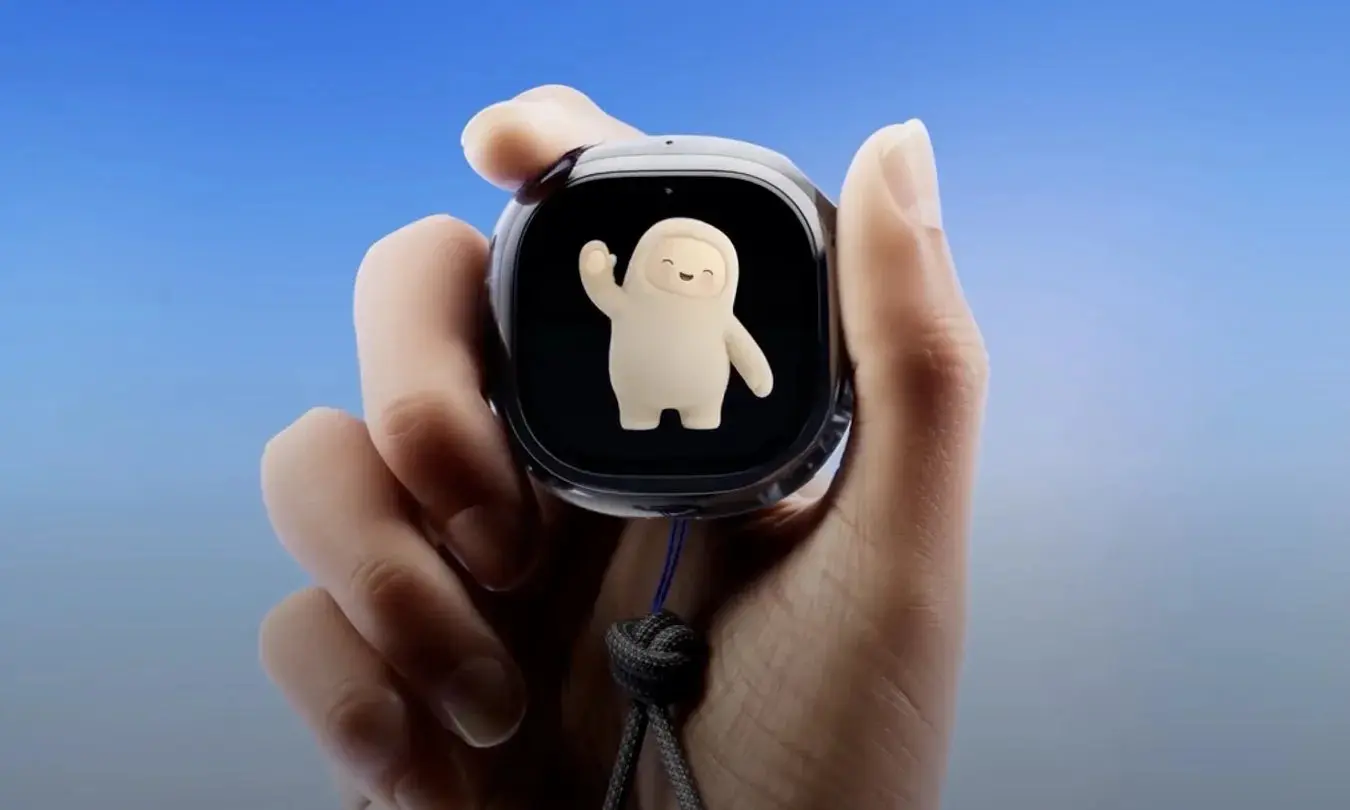
Meta is also bringing Muse to the glasses, “so you are connected to your agent all day.” That is exactly the continuously watching memory that Qualcomm describes on stage. “Meta created that market,” says Asghar, and he is right: 85 percent of the 8.7 million AI glasses sold last year bore a Meta logo. Qualcomm supplies the theory, Meta the practice, and that practice is in stores while regulators are still writing about the previous generation.
Local is not the same as permitted
Qualcomm’s security argument sounds consistent throughout the Snapdragon Summit conference in Hawaii: processing on the chip, memories “cryptographically stored.” In the Q&A.
Where does the one memory of Snapdragon Start live? “That memory is in the cloud,” says Asghar, “because the cloud is always there, independent of the device.” Bringing part of it to the device is “the next step.” And the agent in the earbuds? “The app is on the earbud and goes directly to the server via a secure https connection. No phone is involved,” says Laister
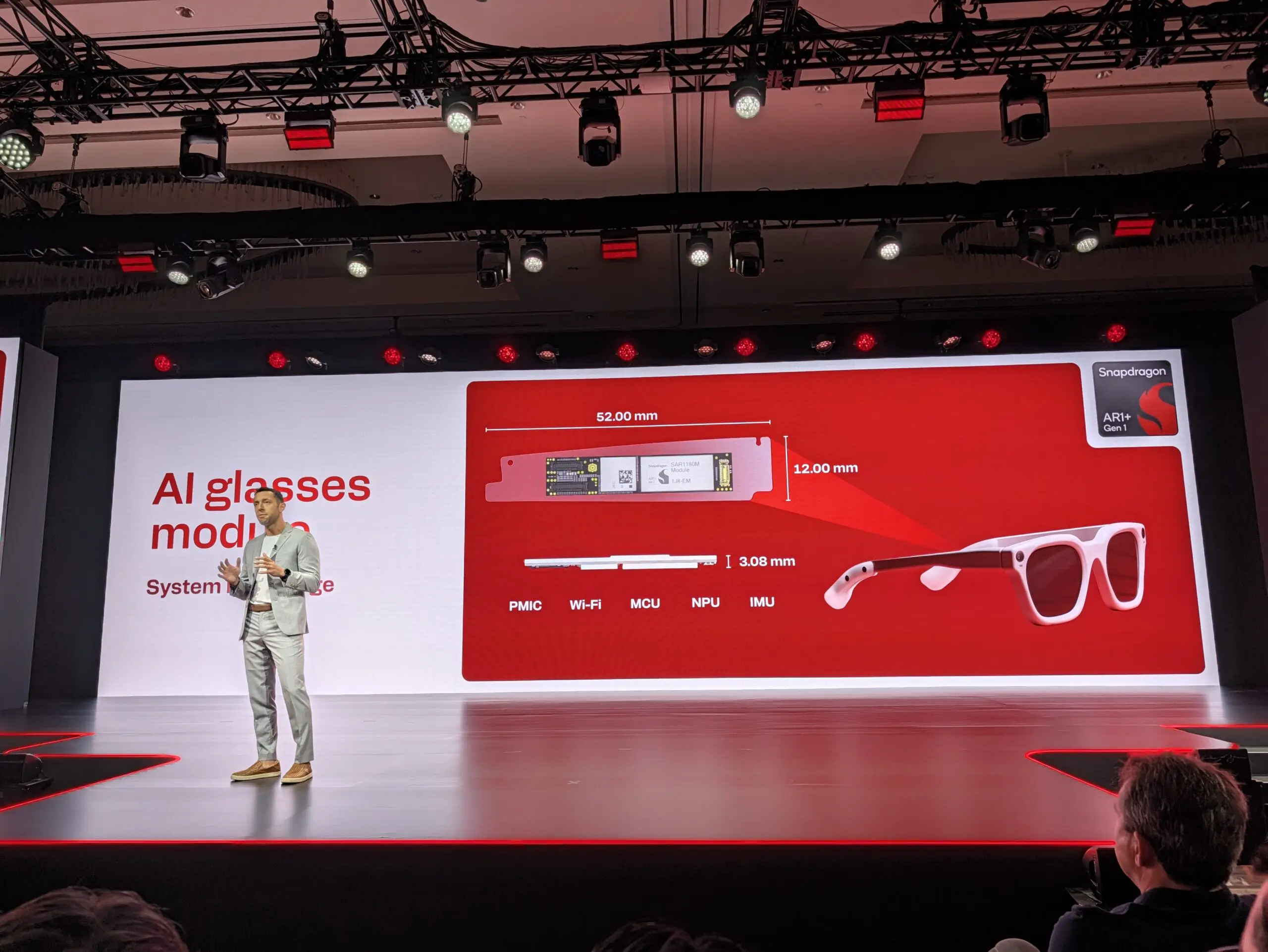
The ChatGPT and translation demos run “both in the cloud.” Local mainly turns out to mean: without a phone. And even where it is true, it only protects the wearer. Anyone facing a camera-equipped glasses or camera earbud has no app, no setting, and no checkbox, and European law looks precisely at that person.
Europe and GDPR
Three layers chafe. First, the GDPR: the European Court ruled back in 2014 (Ryneš) that anyone filming public space does not fall under the household exemption and becomes a data controller themselves. The Hamburg data protection authority applied this on September 10 to Meta’s Ray-Ban glasses: recognizably filming bystanders is “not permitted except in rare situations,” because neither consent nor legitimate interest works when the recording light is “essentially invisible” outside.
Second, biometrics: according to the EDPB, recognizing a speaker by their voice is biometric processing, which requires explicit consent. Personal Scribe, which “identifies who said what,” does exactly that with people who do not know it is happening.
Third, criminal law: in Belgium, recording a non-public conversation in which you do not participate is a crime. Germany even prohibits participants from recording without consent. On top of that, the AI Act has prohibited biometric categorization based on sensitive characteristics and emotion recognition in the workplace since February 2025.
Qualcomm has one technical answer to the bystander problem, and Asghar gave it eagerly: the Always Sensing Camera in the sensing hub works at such a low resolution that the chip can “detect, not recognize” a face, and covers it before the image goes to the agent.

“That removes much of the privacy concern.” The manufacturer decides whether to enable them. Which manufacturers do so, Asghar could not say “due to NDAs,” and he had to look up the resolution figure. Does all this hand governments a surveillance system? There are “already cameras everywhere,” he replied, and we also do mobile banking. That comparison protects the wearer, not the person being filmed who knows nothing.
Regulators are already awake
Anyone who thinks this is theory has not been following the past few months. After revelations that Kenyan annotators viewed Ray-Ban footage, including bedrooms and bank cards, a wave followed:
- CNIL called for vigilance in May.
- EDPB promised a document by autumn.
- Belgian minister Vanessa Matz wrote to the EDPB.
- HateAid filed a criminal complaint against Meta in Germany.
- The Paris prosecutor’s office is investigating secretly filmed women.
- The Dutch Data Protection Authority warned this week that ‘filming others is almost always prohibited’.
- The Dutch Consumers’ Association is calling for a European ban.
A German poll shows that 61 percent do not recognize the white light as a recording signal. In that environment, Meta sells the Gen 3 and Qualcomm announces earbuds with cameras as a concept for those who prefer not to wear glasses.
Europe is late again
The pattern is familiar. Apple Intelligence came to the EU ten months later, and the Siri AI of iOS 27 is not coming for the time being. Meta AI landed here a year later and only as a text chat. The multimodal AI of the Ray-Ban Meta only arrived in Belgium at the end of April 2025, twelve months after the US. The Ray-Ban Display only came to the UK and Canada this week, a year after launch, with France, Italy, and Germany following on October 13.
Is that lagging behind? The market is exploding meanwhile, with 263 percent growth in the first half of 2026, especially in the US and China. Europe will remain at the bottom of that statistic for years, and Qualcomm’s partners are rolling out their reference designs elsewhere first.
Too late or rightly so?
Yet ‘lagging behind’ is the wrong word for what is happening here. Europe is not lagging behind a technology; it is rejecting one specific assumption: that your checkbox during setup also applies to everyone you encounter afterwards.
That assumption is baked into Qualcomm’s personal AI, from Personal Scribe on the Snapdragon 8 Elite Gen 6 to the camera earbud, and it cannot be fixed in the EU with a setting or a light. That is where personal AI stalls, and the consequence is real: European users get the devices later and curtailed, European manufacturers build for export, and the so-called agent that truly knows you remains an American and Chinese product.
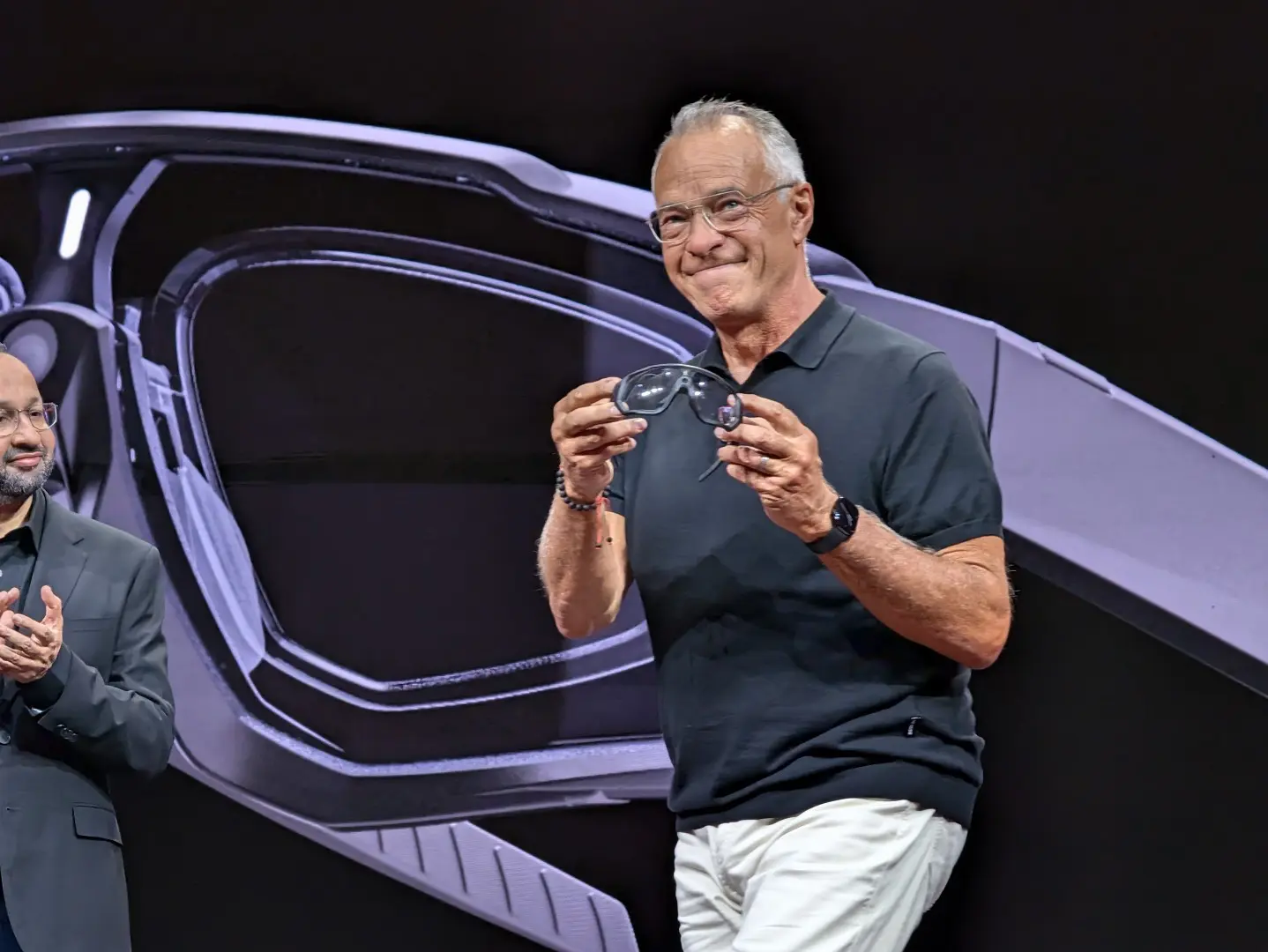
At the same time, Qualcomm’s keynote at Snapdragon Summit also showed where it can work. The glasses that tell a blind person which apple he is holding, the hearing glasses from Inspecs for those who wait nine years for a hearing aid, the agent that performs tasks within a corporate framework: applications in which the wearer’s context matters, not that of the bystander.
Anyone who wants to sell personal AI in Europe will have to reverse the promise, from ‘the device knows everything around you’ to ‘the device knows you’: from the whole street to the one person who consented. A smaller dream that Qualcomm wants to sell, but the only one that is legal in Europe.