

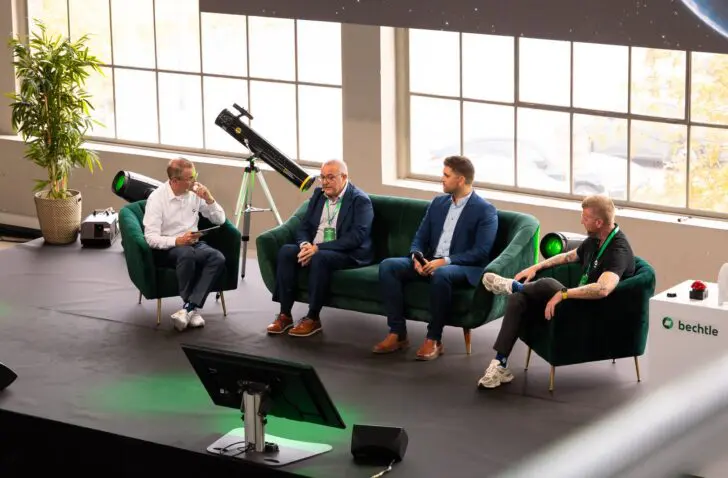
Renson is replacing its VxRail environment with Dell APEX, a subscription model where the West-Flemish company only pays for the computing power and storage it actually uses. The move was triggered by the price increases Broadcom implemented for VMware licenses.
“We were standardized on the Dell VxRail platform,” says Kurt Debersaques, Group IT Infrastructure Manager of Renson Group, during the Bechtle Summit in Heusden-Zolder. “The issues surrounding VMware and Broadcom are well-known: license prices kept rising and changing constantly.” Since the acquisition of VMware, Broadcom has been charging per core, with an additional per-terabyte rate for vSAN. “Costs were skyrocketing just as our VxRail systems were reaching their end-of-life.”
Debersaques has worked at Renson for 25 years; the West-Flemish producer of ventilation, sun protection, and outdoor systems is a family business over a century old. “When I started, we had about fifty PCs, one Novell server, and fourteen days of internet in the company,” he says. Today, the company has around 1,400 users and several hundred servers.
Factor of five to seven
Renson not only had to replace its aging hardware but was simultaneously hit with significantly more expensive licenses. “When a vendor raises its prices by a factor of five, six, or seven, you don’t want to experience that situation again,” says Debersaques. “That’s why we explored the alternatives together with Dell and Roy.” Roy Vanden Boer has been with Bechtle for nearly thirteen years and supports Renson as a client.
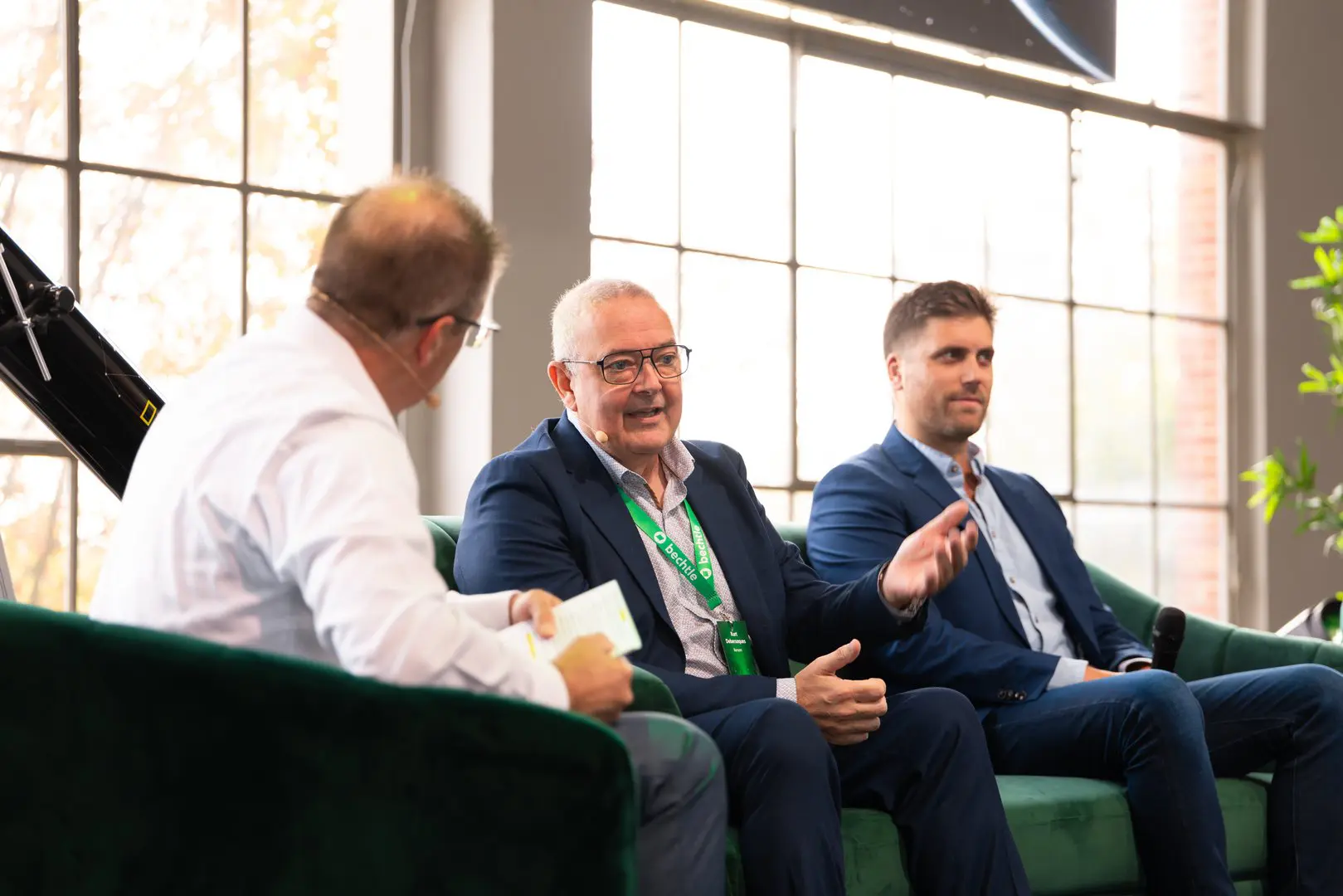
Dell put two options on the table. The first was leaving VxRail and returning to traditional servers with PowerStore storage. The second was Dell Private Cloud, delivered via Dell APEX, the manufacturer’s consumption model. “That allows me to continue working with VMware, but if I want to, I can switch to another hypervisor like Nutanix at any point,” says Debersaques.
Dell APEX with fifty percent commitment
Sander Puttemans, solution sales specialist for the data center portfolio at Dell Technologies, describes Dell APEX as infrastructure-as-a-service that runs on-premises. You pay monthly for what you consume, similar to the public cloud, but on hardware located in your own data center. For Renson, that contract started at fifty percent. “We place one hundred percent of the physical hardware on the floor; it’s there and ready for use,” says Puttemans. Renson is billed for fifty percent from the start.
If consumption grows, the bill increases accordingly, and those who increase their commitment see the price per terabyte drop. Scaling down below the commitment is not possible. “It has to remain a viable model,” Puttemans notes. He often hears the assumption that such a model turns out more expensive than a traditional purchase. “You might pay a bit more for the flexibility, but over the entire lifecycle, the TCO is lower than with a CapEx investment.” The assets remain Dell’s property, similar to an operating lease. The monthly invoice fluctuates with usage.
Debersaques sees the biggest difference from the past in the planning process. “Previously, you were glazing into a crystal ball: how will we grow over the next five years? Then you bought a system with that growth factored in, so it would still perform at the end of its lifespan. If no acquisitions happen and there is no growth, you’ve bought too much hardware that you never use.”
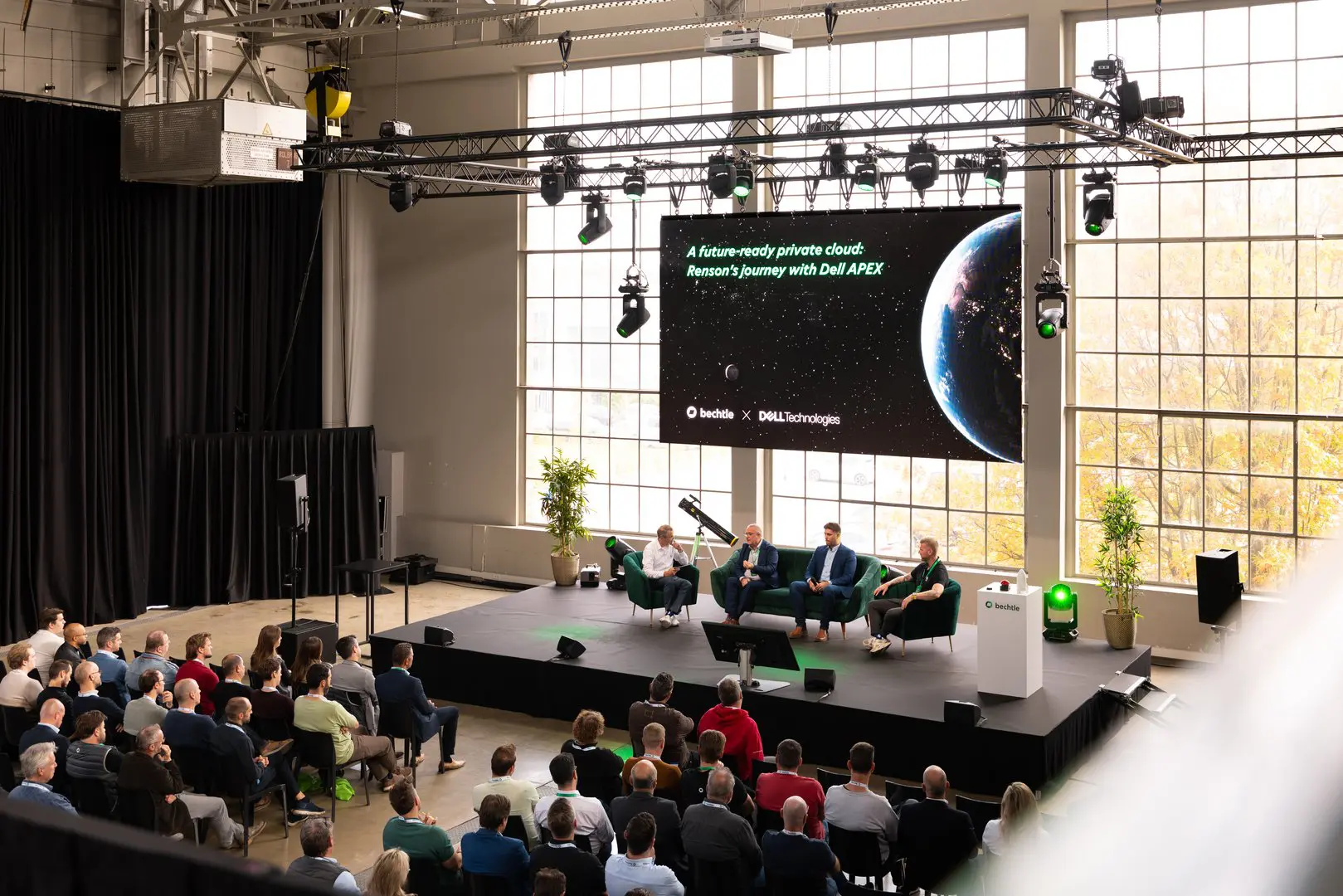
Now, the consumption of the old system serves as the baseline. If an acquisition adds two to three hundred users, he simply scales up capacity. Temporary extra usage, such as copying servers for a migration to a new operating system, falls within a grace period and is only billed after a certain time.
According to Roy Vanden Boer of Bechtle, flexibility is the most important business advantage, both financially and operationally. “You determine the required capacity in advance, can scale up quickly, and avoid a large upfront investment. In economically uncertain times, that is a significant benefit.”
A family business that buys everything
For Renson, an infrastructure subscription is a break from tradition. “We are a family business from West Flanders, so we are very conservative,” says Debersaques. “Everything we have in the company is purchased. More than 150 company cars, all owned by Renson. We have never leased. The APEX story was truly new to us, a big step.”
The fact that management signed anyway is because of Broadcom. “As a company, we don’t like being pushed with our backs against the wall. That was the biggest trigger for getting approval,” says Debersaques. “The company said: this must not happen to us a second time. Next time, we must be flexible enough.” Their view of vendors has changed as a result. “We now always check whether we are tied to that partner or if we have the freedom to go elsewhere. We used to take that into account much less.”
Users notice nothing
The 1,400 users noticed nothing of the migration itself, says Debersaques. “They leave on Friday, come in on Monday, and the system has changed. My CEO is happy because everything went smoothly.” He refers to infrastructure as a utility. “It’s like water from the tap. As long as it’s running, nobody knows what the infrastructure department is doing.”
It’s like water from the tap. As long as it’s running, nobody knows what the infrastructure department is doing.
Kurt Debersaques, Group IT Infrastructure Manager of Renson Group
His most important advice to fellow IT managers is not about technical specs. “In infrastructure, the emphasis is too often on technology. You see the same with AI: one model after another. Yet, strong partnerships and the people behind the technology are what ultimately take you further.”
Today, Renson continues to run on VMware within Dell Private Cloud and pays for the underlying hardware based on consumption. Debersaques is keeping the switch to another hypervisor as an option in his back pocket, without a set date. Broadcom’s next pricing round will determine if he needs it.