

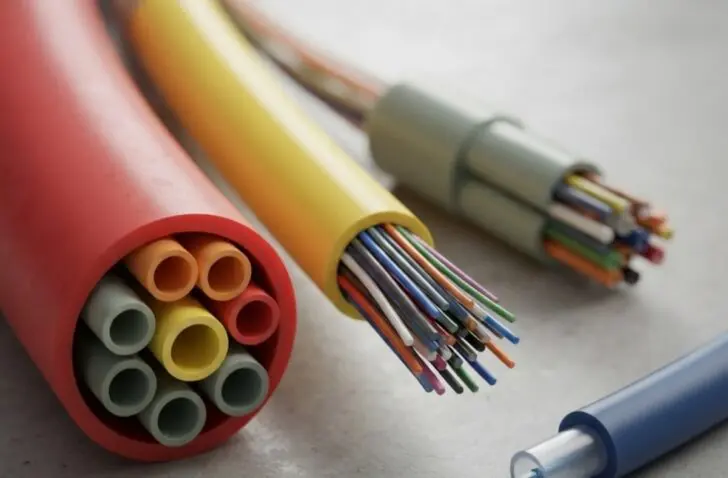
The Belgian telecom sector is launching the Fiber Charter to coordinate the rollout of fibre networks. Eight operators pledge to limit the disruption for citizens and businesses during the works. Only Digi is not taking part.
Belgium’s digital infrastructure is getting a new boost from a joint initiative by the market’s main players. With the launch of the Fiber Charter, the telecom operators are taking a step towards a more coordinated approach to network expansion. Under the watchful eye of Agoria CEO Bart Steuckers and federal Minister for Digitalisation Vanessa Matz (Les Engagés), eight telecom operators signed the charter.
The sector, which invests around 2.5 billion euros in digital infrastructure every year, wants to support the country’s digital ambitions with this move. The aim is to speed up the rollout of gigabit networks while keeping the societal impact of the physical works under control. The rollout of fibre in Belgium is much slower than in other European countries.
Cooperation between operators
Eight operators have committed to this new charter. They include the “big three” Orange, Proximus and Telenet, but also other players such as Eurofiber and Colt, and the joint ventures Wyre and Fiberklaar. They aim for an efficient and transparent way of working on public land, with cooperation between the various players at its core.
The charter contains concrete agreements on the quality of the work and on communication with the surrounding area. The companies promise, for example, to coordinate works better with each other and to offer fixed points of contact for local authorities and residents.
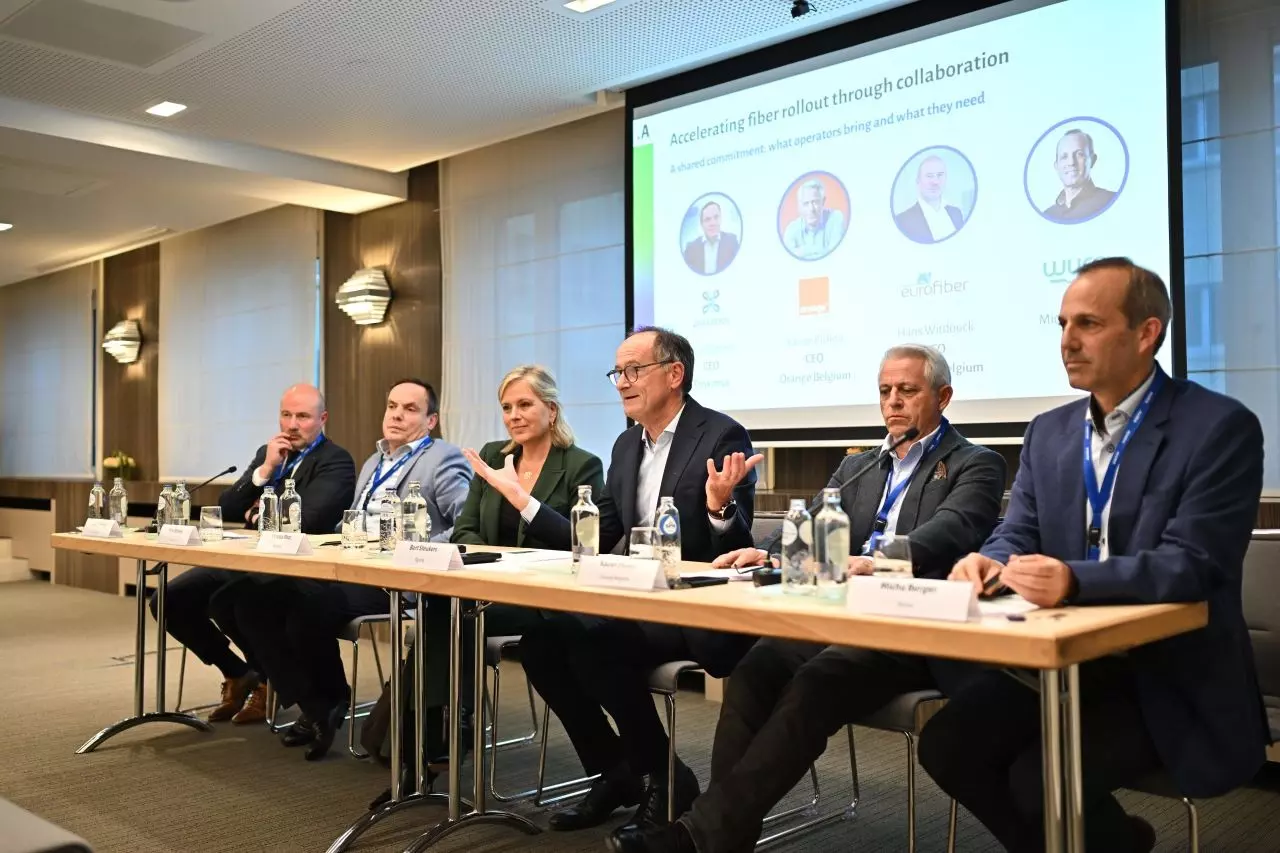
The operators are also committing to proactive communication before and during the works. This includes high-quality signage and the proper restoration of public land after the fibre cables have been laid. The charter is not binding and serves more as a commitment to cooperation and self-regulation.
Focus on digital growth
Minister Matz supports the initiative. She stresses that cooperation between operators and local authorities is essential to limit the nuisance for residents while the networks are expanded. The sector sees the rollout of fibre as a necessary condition for Belgium’s economic competitiveness. Companies that rely on artificial intelligence and data analysis depend entirely on high-performance networks for their survival.
Bart Steuckers, CEO of Agoria, says that investments in next-generation networks must go hand in hand with respect for the surroundings. In his view, a strong digital foundation is crucial for the productivity and innovation of the Belgian economy.
Fibre is not only an investment in better connectivity today, but also in the applications, companies and jobs of tomorrow.
Bart Steuckers, CEO Agoria
Digi stays out
The notable absentee is Digi, which has now been active in Belgium for almost two years. Steuckers told Belga that Digi was involved in the preparatory talks, but gave no reason why the company did not sign the charter. The telecom company has not offered an explanation itself either. Digi’s competitors are less understanding.
Stijn Bijnens, CEO of Proximus since September 2025, says he regrets that an operator is not joining. “The same rules and standards must apply to all operators. No compromises can be made on safety,” he told Belga. His predecessor Guillaume Boutin has been openly critical of Digi in the past.
During Digi’s fibre rollout, irregularities were found after a complaint from Proximus. The company even had to halt the works in Brussels, on pain of fines. The ruling was upheld on appeal. Parent company Citymesh has, whether or not for that reason, tightened its grip on Digi again.